Drink Refrigerator Guide: How to Choose, Install, and Maintain a Beverage Cooler
Learn how to pick a drink refrigerator, size for your space, and keep beverages perfectly chilled with practical maintenance tips, safety reminders, and common fixes.


With this guide, you’ll learn how to pick a drink refrigerator that fits your space, features to prioritize (size, temperature range, energy use), and simple maintenance steps to keep beverages perfectly chilled. We cover installation basics, common issues, and quick repairs homeowners can perform safely, plus practical tips to extend the unit’s life.
Understanding Beverage Refrigerators: What They Do and Why They Matter
A drink refrigerator, also called a beverage cooler or drink cooler, is a compact or full-size appliance designed to store beverages at a consistent, cool temperature. Unlike standard kitchen refrigerators, beverage coolers prioritize steady humidity, glass shelves, and precise temperature zones for bottles and cans. For homeowners, a dedicated drink refrigerator helps protect beverage flavors, reduces opening and closing of your main fridge, and can save energy by isolating cooling loads to a smaller space. According to How To Refrigerator, the right unit should be sized to your space and aligned with your typical drinking habits, whether you stock soda, beer, wine, or specialty mixers.
Key Specs to Compare Before You Buy
Before selecting a drink refrigerator, map out your needs across several specs: capacity (how many bottles or cans you typically store), external dimensions (width, height, depth), the door swing direction, shelf configuration (adjustable shelves, wine racks), temperature range, humidity control if relevant, energy efficiency, and noise level. Look for frost-free or auto-defrost features to reduce maintenance, an energy-star rating if available, and a reliable thermostat with a clear display. A well-chosen model will match your space and daily beverage routine, whether you prefer beer, soda, wine, or mixed cocktails.
Layout Tips: Optimizing Space in Kitchens and Bars
Place the drink refrigerator away from heat sources like ovens or direct sunlight, and ensure there’s adequate air circulation around the sides and back. Use adjustable shelves to create sections for bottles and cans, and reserve a tall area for tall bottles like wine or champagne. Keep frequently used drinks within easy reach and avoid overloading the door racks, which can strain the hinges and affect cooling performance. The goal is steady cooling with simple access.
Installation Basics: Plug, Space, and Leveling
Most beverage coolers plug into a standard household outlet, ideally on a dedicated circuit to avoid nuisance tripping. Place the unit on a level surface using its adjustable feet and check that the door closes firmly without rubbing. Allow a small gap between the rear and surrounding wall as recommended in the manual to enable proper heat dissipation. When wiring or electrical concerns arise, consult a qualified technician rather than attempting repairs yourself.
Daily Use and Maintenance: Keeping Drinks Perfectly Chilled
Set the thermostat to the manufacturer’s recommended range for your beverage program and recheck after loading your first batch of drinks. Clean the interior every few months with a mild, non-abrasive cleaner and wipe door seals to maintain a tight seal. Keep the condenser coils free of dust with careful brushing or vacuuming as per the manual. This routine helps maintain even temperatures and extends the unit’s life.
Troubleshooting Common Issues
If the unit is not cooling: verify the thermostat level, check door seals for gaps, and ensure airflow vents aren’t blocked by bottles. Frost buildup on the rear wall or shelves may indicate defrost issues or poor ventilation. If you hear unusual noises, inspect the fans and verify there’s nothing loose. For persistent problems, contact support or a qualified technician. "Unplug the unit before inspecting electrical components" is a key safety reminder from How To Refrigerator Team.
Cleaning and Hygiene for Beverage Coolers
Develop a simple cleaning schedule: wipe spills immediately, clean shelves and racks with warm soapy water, and avoid harsh chemicals that could leave residues. Empty and wipe the gaskets; inspect for cracks or wear. Keep the interior dry after cleaning to prevent mold growth. If your cooler has a drain defrost feature, flush the drain line every few months.
Energy Efficiency and Cost-Saving Practices
A drink refrigerator is often more energy-efficient when dedicated to beverages rather than chilling your entire kitchen. Keep ambient room temperature within the unit’s recommended range and avoid leaving the door open for long periods. Use energy-efficient LED lighting and insulated doors if available. Regular maintenance, including sealing leaks and cleaning coils, reduces energy consumption and extends the life of the compressor.
Maintenance Plan and Safe DIY Fixes
Create a simple maintenance calendar that includes quarterly checks of seals, coils, and thermostat accuracy. For minor issues like adjusting shelves or cleaning gaskets, you can do it yourself after unplugging the unit and wearing gloves. Do not attempt refrigerant handling or electrical repairs beyond basic checks without professional training. The How To Refrigerator Team recommends prioritizing safety and seeking professional help for any system-level repair.
Tools & Materials
- Screwdriver set (Phillips and flat-head)(Essential for accessing panels or mounting hardware)
- Digital thermometer(Monitor interior temps accurately across zones)
- Level(Ensure the unit sits evenly for proper door closure)
- Gloves(Protect hands when handling sharp edges or refrigerant components)
- Owner's manual(Model-specific installation and safety instructions)
- Soft cloth(Wipe spills and clean door seals without scratching surfaces)
- Flashlight(Helpful for inspecting back panels in tight spaces)
- Non-abrasive cleaner(Use mild cleaning solutions to avoid residue)
Steps
Estimated time: 60-120 minutes
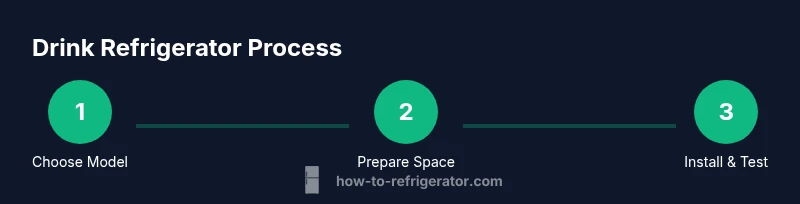
- 1
Measure and plan space
Measure the intended footprint for the drink refrigerator, including width, height, and depth. Check door swing clearance and ensure there’s room for airflow behind and around the unit. Refer to the model’s manual for any built-in clearance recommendations.
Tip: Measure twice, confirm access paths, and verify that nearby outlets match the unit’s power requirements. - 2
Choose the right model
Compare capacity, shelves, temperature range, and energy usage. Review the warranty terms and read consumer feedback to gauge reliability. Ensure the model fits your space and beverage needs (beer, wine, soda, or specialty drinks).
Tip: Prioritize adjustable shelves and a stable thermostat for versatility. - 3
Prepare electrical and placement
Confirm a properly rated outlet is available, ideally on a dedicated circuit. Avoid using extension cords. Position the unit where it won’t be exposed to direct heat or sunlight and where door clearance is preserved.
Tip: Plug-in once before final placement to check for proper operation before mounting or shelving. - 4
Position and level the unit
Place the cooler on a level surface and adjust feet until the base is stable. Recheck that doors open and close smoothly without rubbing. Leave enough space for air to circulate according to the manual.
Tip: A level unit prevents gasket wear and uneven cooling over time. - 5
Load beverages and set temperature
Organize shelves for easy access and consistent cooling. Set the thermostat within the manufacturer’s recommended range for beverages and verify with a thermometer after loading.
Tip: Avoid overpacking; proper airflow keeps drinks evenly cooled. - 6
Test operation and monitor
Run the unit for 24–48 hours and monitor temperatures in multiple zones if applicable. Keep a simple log of readings and any unusual noises or leaks to identify recurring issues early.
Tip: Document deviations and compare with expected ranges from the manual.
FAQ
What size drink refrigerator is best for a home bar?
Pick a unit that fits the available space and can hold your typical beverage load. Consider tall sections for wine bottles and adjustable shelves for cans and bottles.
Choose a size that fits your space and daily beverage needs.
Do beverage coolers require a dedicated outlet?
Most models use a standard 120V outlet. Avoid extension cords and ensure the outlet can handle the unit’s startup surge.
Yes, plug directly into a properly rated outlet.
Why isn’t my drink refrigerator cooling?
Check the thermostat setting, door seals, and airflow. Clear vents and an unobstructed interior help maintain even temperatures.
First check the thermostat and door gasket.
How often should I defrost a drink refrigerator?
If frost builds up, defrost per the manual. Frost-free models reduce this task, but occasional defrosting may still be needed.
Defrost as recommended by the manual when you see frost.
What temperature should a drink refrigerator stay at?
Aim for a stable temperature within the manufacturer’s recommended range for beverages, typically around 1–4°C (34–40°F).
Usually keep it between about 34 and 40 degrees Fahrenheit.
Is a dedicated beverage cooler worth the energy use?
For heavy beverage storage, a dedicated cooler can be energy-efficient, especially when compared to cooling drinks in a main refrigerator.
It can be energy-efficient if you stock beverages heavily.
Watch Video
Top Takeaways
- Choose the right size based on space and beverage needs
- Prioritize airflow, seals, and a stable thermostat
- Install with proper space and dedicated power
- Regular maintenance reduces energy costs
- Follow safety advice when performing DIY tasks