Wine and Beverage Cooler: Buy, Install, and Maintain Guide
Learn how to choose, install, and maintain a wine and beverage cooler. Get sizing tips, energy efficiency guidance, safe placement, and practical maintenance and troubleshooting steps.


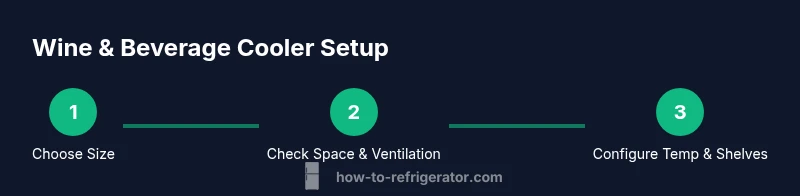
This guide helps homeowners choose, install, and maintain a wine and beverage cooler. You'll learn how to compare sizes, energy efficiency, and features like shelving, air circulation, and door seals; how to measure space; and how to set temperatures and humidity to preserve wine and beverages. Basic troubleshooting tips included.
What is a wine and beverage cooler?
Wine and beverage coolers are compact refrigeration units designed to hold bottles of wine and beverages at controlled temperatures. They come in various configurations, including freestanding, built-in, single-zone, and dual-zone models. They typically feature adjustable shelves, glass doors, interior lighting, and sometimes humidity control to protect wine corks from drying out. For homeowners, these units provide a dedicated temperature zone for wine storage and a separate area for chilled drinks, preventing cross-flavor contamination and ensuring consistent cooling. When selecting a unit, consider bottle capacity, interior layout, door swing, and energy efficiency. In this guide, we'll compare features, measure spaces, discuss placement, and cover maintenance tips to help you make a smart purchase.
How wine and beverage coolers differ from standard refrigerators
Wine and beverage coolers are designed with different priorities than standard refrigerators. They often feature narrower temperature bands, humidity management for corks, glass doors to reduce temperature fluctuations, and adjustable shelving to maximize bottle storage. Many models offer single- and dual-zone configurations, so you can store wines at one temperature and drinks at another. Airflow is optimized to keep temperatures stable with frequent door openings, while insulation keeps the kitchen’s ambient heat from creeping in. Energy use varies by model, insulation quality, and compressor design. Choosing the right type depends on whether you primarily store wine, beverages, or both, and whether you prefer built-in or freestanding installation.
Key features to look for when buying
When shopping for a wine and beverage cooler, prioritize features that align with your storage goals. Capacity and layout determine how many bottles and cans fit; adjustable shelves and slide-out racks maximize flexibility. Look for a wide temperature range and dual-zone capability if you plan to store both wine and beverages, plus a stable humidity control option to protect corks. Door seals (gaskets) should be tight and intact, while LED interior lighting helps you view contents without warming the interior. Energy efficiency matters for long-term costs, so seek models with good insulation and an efficient compressor. Noise level, exterior finish, and door style (reversible hinges, tempered glass) affect daily use and aesthetics. Always check warranty terms and local service support.
Placement, airflow, and energy considerations
Place the cooler in a cool, dry location away from heat sources like ovens, dishwashers, or direct sunlight. Provide ample clearance around the unit for air circulation—typically a few inches on the sides and back, with more in front for venting. Avoid enclosing the unit in tight cabinetry without ventilation, as overheating reduces efficiency and lifespan. Temperature stability is easier to achieve with steady room temperature, a level surface, and proper door seals. Energy efficiency depends on model insulation, compressor type, and defrost mechanism; Energy Star-rated units generally offer better long-term operating costs. Protect the interior from sun exposure and keep the unit away from strong fragrances that could permeate corks.
Installation, leveling, and initial setup
Begin by inspecting the packaging for damage and removing all protective materials. Move the cooler into position, allowing space for airflow, then use a level to ensure it sits evenly. If your model includes adjustable legs, set them to create a perfectly level base; use anti-tip brackets for freestanding installations to prevent tipping when shelves are loaded. Connect to a grounded outlet and power on. Set the initial temperatures: a dual-zone unit often has one zone for wine (warmer) and one for beverages (cooler). Allow the unit to stabilize for several hours before loading contents, and monitor temperatures with a thermometer to confirm accuracy.
Maintenance, cleaning, and troubleshooting common issues
Regular maintenance preserves performance. Wipe interior surfaces with a mild soap solution and a damp cloth, and avoid harsh cleaners that can damage gaskets. Check door seals for air leaks and replace worn gaskets promptly. Clean condenser coils if exposed and free of dust; on some models this is accessible from the back or underside. Common issues include temperature fluctuations, unusual noises, and frost buildup in frost-free models—these usually indicate door not sealing properly, poor ventilation, or a faulty thermostat. If temperatures drift, recalibrate settings or call service if the issue persists. Annual inspection of shelves, lighting, and door seals helps prevent bigger problems.
Organizing wine and beverages for optimal preservation
A thoughtful organization plan extends shelf life and makes daily access easier. Group white and sparkling wines on the cooler zone’s upper shelves and reserve the bottom for full-bodied reds if dual-zone. Place taller bottles at the rear or on the bottom rack to avoid crowding and ensure air circulation. Store bottles horizontally to keep corks moist where applicable, and shield light-sensitive wines from direct lighting. Regularly rotate stock to use older bottles first and keep a simple inventory on a magnet pad or label system. Avoid overcrowding shelves to maintain airflow and precise temperature control.
Authority sources
For energy efficiency guidelines and appliance standards, refer to government and academic resources. These sources provide general principles that apply to specialty refrigeration like wine and beverage coolers:
- https://www.energy.gov/eere/buildings/articles/how-energy-star-appliances-save-energy
- https://www.nist.gov
- https://www.fda.gov
Tools & Materials
- Measuring tape(Measure doorway width and interior cavity; ensure 2–3 inches clearance for ventilation.)
- Level(Use a 2-foot level or longer to confirm front-to-back and side-to-side level.)
- Screwdriver set (Phillips and flathead)(For brackets, panels, and door fixtures.)
- Anti-tip bracket kit(Install on freestanding units as recommended by manufacturer.)
- Cordless drill (optional)(Helpful for mounting brackets or adjusting screws quickly.)
- Soft cloth and mild soap(For interior cleaning and wipe-downs after setup.)
- Thermometer or hygrometer(Monitor interior temperature and humidity to confirm settings.)
Steps
Estimated time: 60-90 minutes
- 1
Assess space and power needs
Check available space, outlet availability, and room temperature. Ensure the location won’t expose the unit to heat sources or direct sunlight, which can affect performance. Plan for ventilation and consider a dedicated circuit if you have multiple appliances nearby.
Tip: Verify there is a grounded outlet within reach and that an extension cord won’t be required. - 2
Measure space and doorway clearance
Take precise measurements of the doorway width and interior clearance. Confirm the unit can pass through and fit into its intended spot without tilting or turning. Note minimum side and rear clearance recommended by the manufacturer.
Tip: Measure diagonally as well, in case you must angle the unit during installation. - 3
Unpack and inspect the unit
Carefully remove packaging and inspect for shipping damage. Verify that shelves, racks, door seals, and accessories are present as listed in the manual. Do not install if you see dented panels or damaged gaskets.
Tip: Document any damage with photos for warranty claims. - 4
Position and install anti-tip brackets
Move the cooler into place, leaving room for ventilation. Attach anti-tip brackets if provided to secure the unit against tipping when shelves are loaded. Align the unit so the door can open fully without obstruction.
Tip: Use two people if the unit is heavy to avoid personal injury. - 5
Level the unit and connect power
Use a level to adjust feet until the front is perfectly level. Plug into a grounded outlet and power on. If dual zones exist, verify both zones power up correctly.
Tip: A mislevel unit can cause uneven door sealing and vibration. - 6
Set initial temperatures and shelves
Set the temperature on each zone according to the manufacturer’s guidelines. Arrange shelves to minimize crowding and maximize airflow. Avoid blocking vents and ensure easy access to frequently used items.
Tip: Allow the unit several hours to stabilize before loading. - 7
Load contents and organize
Place bottles and beverages on shelves in logical groups, leaving space for air to circulate. Keep most-used items at eye level and away from doors to minimize temperature fluctuation.
Tip: Label shelves or keep a basic inventory to track stock. - 8
Test, calibrate, and monitor
Check that temperatures hold steady within the expected range. Recheck after a few days and make minor thermostat adjustments if needed. Keep thermometer readings logged for maintenance.
Tip: Note any persistent temperature drift and consult customer support if it continues.
FAQ
What size wine and beverage cooler do I need?
Choose a size based on available space and your bottle/can capacity needs. Consider future purchases and whether you want dual zones. A larger unit with flexible shelving can adapt to changing storage patterns.
Choose a size that fits your space and anticipated capacity, with some room to grow. Dual zones are helpful if you plan to store both wine and drinks.
Can I use a wine cooler for regular beverages?
Yes, many wine coolers double as beverage coolers, but verify that the temperature range suits your drinks. Some units are optimized for wine storage and may not reach very low beverage temperatures.
Most wine coolers can store beverages as well, but check the temperature range to ensure it covers your needs.
What is the difference between dual-zone and single-zone coolers?
Dual-zone models offer two independently controlled temperatures, ideal for wine and beverages. Single-zone units have one shared temperature, suitable when you primarily store one type of item.
Dual-zone models let you set two temperatures separately, while single-zone units keep one temperature for everything.
How do I clean and maintain a wine cooler without damaging seals?
Regularly wipe interiors with mild soap and water, dry thoroughly, and inspect door gaskets for wear. Avoid harsh chemical cleaners that can degrade seals. Schedule periodic coil cleaning if accessible.
Clean with mild soap and water, dry, and check door seals. Avoid harsh cleaners that can wear the seals.
Can a wine cooler be installed under a countertop?
Yes, many wine coolers are designed for built-in or under-counter installation. Ensure proper ventilation and airflow, and follow manufacturer instructions for clearance and electrical requirements.
Under-counter installation is common; just ensure proper ventilation and follow the manual.
Watch Video
Top Takeaways
- Measure space before buying or installing.
- Choose energy-efficient models with proper insulation.
- Level and secure the unit to maintain door seals.
- Set appropriate temperatures for wine and beverages.
- Clean and inspect seals regularly for best performance.