Wine Cooler Guide: Choose, Install, and Maintain for Optimal Wine Preservation
Learn how to pick a wine cooler, install it correctly, and maintain optimal storage conditions to preserve flavor and aroma. This How To Refrigerator guide covers capacity, temperature zones, placement, and routine upkeep for homeowners.


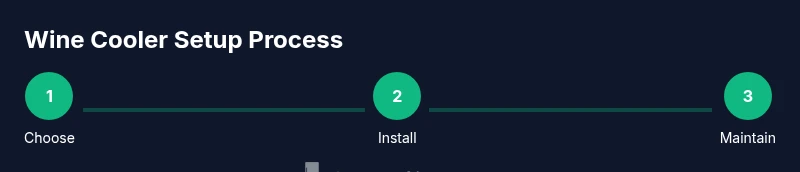
With this guide, you will learn how to pick, install, and maintain a wine cooler for optimal wine preservation. You'll assess capacity, temperature zones, and energy use; choose a model with proper shelving and vibration control; install it in a stable location with proper clearance; and perform routine maintenance like cleaning coils and checking gaskets to extend life.
What is a wine cooler and how it differs from a standard refrigerator?
A wine cooler is a specialized storage appliance designed to preserve wine quality by maintaining stable temperatures, appropriate humidity, and minimal vibration. Unlike a general refrigerator, a wine cooler typically operates in a lower temperature range and offers features like dual cooling zones, UV-protected glass doors, and adjustable shelving. According to How To Refrigerator, the key to wine preservation is a stable environment rather than extreme cold. Temperature fluctuations can prematurely age wine and disturb sediment. Many models provide a separate humidity control to protect corks from drying out. When choosing, look for a thermostat that can set precise temperatures within about a 5- to 10-degree range for each zone. The best units minimize vibration to avoid agitating wine and sediment. LED lighting should be low-heat to prevent warming the interior, and doors with airtight seals help maintain consistent conditions. In short, a wine cooler is not just a cold box; it is a climate-controlled habitat that supports wine maturation and flavor retention.
Key features to evaluate when choosing a wine cooler
Selecting a wine cooler isn’t just about keeping things cold; it’s about creating a stable microclimate for your bottles. Look for dual temperature zones if you collect both red and white wines, or a single zone if you mostly store one style. Shelving should be adjustable and slide-out for easy access, with ample clearance between bottles to prevent contact. Humidity control helps corks stay moist, reducing oxidation risk. Energy efficiency matters, especially if the unit runs 24/7; check for an Energy Star rating if available."
Placement, sizing, and installation basics
Daily use: temperature zoning, shelves, and maintenance routines
Troubleshooting common issues and quick fixes
Next steps: planning a replacement or upgrade and maintenance schedule
Authority sources and further reading
Tools & Materials
- Screwdriver set (Phillips and flathead)(for mounting/adjusting shelves or hinges as needed)
- Level(to ensure unit sits evenly, preventing door misalignment)
- Soft cloths(for interior and exterior cleaning; avoid abrasive pads)
- Mild fridge-safe cleaner or dish soap(gentle cleaner to avoid damaging finishes)
- Measuring tape(to verify available space and clearance requirements)
- Owner's manual or model guide(have it handy for specs and safety steps)
Steps
Estimated time: 60-90 minutes
- 1
Identify model and gather tools
Begin by locating your wine cooler’s model number and consulting the manual. Gather essential tools from your toolkit (screwdriver set, level, measuring tape, soft cloths, and mild cleaner). This ensures you can perform any needed adjustments without scrambling mid-project.
Tip: Having the manual at hand reduces guesswork and protects components from improper handling. - 2
Choose location and measure space
Select a door-facing wall with stable flooring, away from direct sunlight, heat vents, and moisture. Measure width, height, and depth to confirm the unit fits with at least 2–3 inches of clearance on all sides for airflow and door swing.
Tip: If you’re short on space, consider a counter-depth model—but ensure ventilation isn't blocked. - 3
Level the unit and ensure ventilation
Place the wine cooler on a level surface; adjust feet to eliminate rocking. Ensure vents aren’t blocked and that there’s a clear path for air to circulate around coils and condenser. A level, well-ventilated installation reduces noise and improves efficiency.
Tip: A small bubble level on the top edge helps you verify levelness precisely. - 4
Plug in and set initial temperatures
Plug the unit into a grounded outlet and set the lower zone to roughly 45–50°F for whites and the upper zone to 55–60°F for reds (adjust to your collection). Enable any humidity controls if available and verify door seals are airtight.
Tip: Avoid abrupt temperature changes; let the unit stabilize for 24–48 hours before making precise adjustments. - 5
Load shelves and organize wine
Arrange shelves so bottles aren’t touching; heavier bottles go on lower shelves. Group bottles by type and keep corks moist by maintaining humidity settings. Keep frequent-reach items at the front for convenience.
Tip: Label sections or use color-coded markers to help quick rotation and aging cycles. - 6
Create a maintenance routine
Develop a simple checklist: wipe the interior monthly, clean the door seals quarterly, and vacuum the condenser or coils as needed. Check for frost buildup or unusual noises and address promptly.
Tip: Record maintenance dates to stay on track and extend the life of your wine cooler. - 7
Run a quick test and monitor
After setup, run the cooler for 24–48 hours and monitor temperature stability. Adjust settings gradually if temperatures drift or the unit seems louder than expected.
Tip: A consistent, quiet hum is expected; persistent rattling may indicate misalignment or blocked airflow.
FAQ
What size wine cooler do I need for a growing collection?
Assess current bottle count plus a realistic growth estimate. Measure available space and consider shelves that are adjustable to accommodate larger bottles. Dual-zone models offer flexibility if your collection includes both red and white wines.
Think about how many bottles you have now and what you expect to add; choose a unit with adjustable shelves and at least one dual zone.
Should I install a wine cooler on a dedicated circuit?
Most home wine coolers operate on a standard 120V circuit. If you have other high-draw appliances on the same circuit, consider a dedicated outlet or circuit to prevent tripping.
In most homes, a standard outlet is fine, but if you’re unsure, check your electrical panel.
What is the ideal temperature range for wine storage?
Wine storage is typically best between 45–65°F, with whites toward the cooler end and reds toward the warmer end. Dual-zone units can keep separate ranges for different wine types.
Aim for roughly 45 to 65 degrees, depending on the wine type or zone.
Can a wine cooler double as a general refrigerator?
A wine cooler isn’t meant to replace a general refrigerator. It focuses on stable temperatures and humidity ideal for wine, which may not suit other foods.
No, use it for wine storage and keep your regular fridge for other foods.
Why is my wine cooler making a loud hum or vibration?
Check that the unit is level, doors are properly sealed, and vents aren’t blocked. If the noise persists, it could indicate a faulty fan or compressor.
If it’s humming, first make sure it’s level and the door seals are clean and intact.
How often should you clean coils and seals?
Clean coils and gaskets every 6–12 months, or more often if your environment is dusty. Unplug the unit before cleaning and dry thoroughly.
Clean the coils and seals about once a year, more often if dusty, and unplug first.
Watch Video
Top Takeaways
- Choose capacity that fits current and future bottles.
- Place and level the unit with proper ventilation.
- Set stable temperatures and organize shelves for easy access.
- Maintain a regular cleaning and inspection routine.