Small Drinks Refrigerator: How to Choose, Install, and Maintain a Compact Beverage Cooler
Master the art of selecting, placing, and maintaining a small drinks refrigerator. Learn size, energy use, organization, and common issues for careful home use.


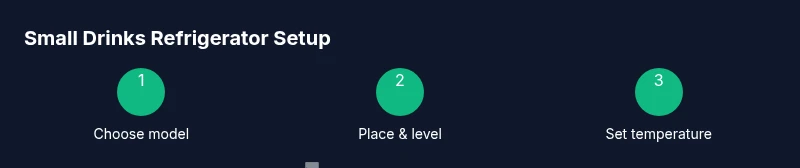
A small drinks refrigerator is a compact cooling unit designed to chill beverages in tight spaces, balancing a narrow footprint with usable interior volume. When choosing, prioritize size, energy efficiency, temperature stability, ventilation, and placement. This guide helps homeowners pick, place, and maintain a reliable countertop or under-counter beverage cooler for convenient access.
What is a small drinks refrigerator?
A small drinks refrigerator is a compact, energy-efficient cooling unit designed to chill beverages without occupying full kitchen space. These units are typically countertop or under-counter models with glass or solid doors, adjustable shelves, and a temperature range optimized for beer, soda, juice, and wine. The goal is fast access to drinks while preserving precious kitchen real estate for food storage. In practice, buyers use these units in kitchens, home bars, dorm rooms, or offices where space is at a premium. According to How To Refrigerator, the best small drinks refrigerator balances a narrow footprint with enough internal volume to hold a dozen cans or several bottles, while still leaving room for overflow. The emphasis is on accessible organization, simple controls, and reliable cooling that stays quiet and minimizes heat around nearby surfaces. When choosing, consider whether you’ll place the unit on the countertop or under a cabinet, the door swing direction, and whether you want features such as adjustable shelves, a clear door, or interior lighting. In 2026, many models add improved insulation and cooler-to-room temperature management to fit modern open-plan homes.
Size, footprint, and placement considerations
Before you buy, measure the space where the small drinks refrigerator will live. Note its width, depth, and height, then compare it to the model’s stated dimensions. Ensure there is adequate clearance on all sides for airflow and heat dissipation; avoid placing the unit directly against walls or heat sources like ovens or sunny windows. Consider door swing: a fridge with a reversible door offers flexibility if space is tight, and a glass door can help you spot beverages at a glance without opening the unit. If you’re countertop-bound, confirm the unit’s top surface can support the weight of bottles and cans and that you have easy access to an electrical outlet. Place it away from heavy traffic areas to prevent bumps that could disconnect the door or damage shelves. Finally, plan where the most-used beverages will live for quick access and consider whether you need a model with racks that can be rearranged to accommodate taller bottles or specialty drinks.
Energy efficiency and operating costs
Energy efficiency matters for long-term running costs and comfort in common living spaces. Look for ENERGY STAR-rated small drinks refrigerators and check the manufacturer’s energy consumption—usually listed on the energy label. Frost-free or auto-defrost features can reduce maintenance and frost buildup that wastes cooling capacity. Good insulation minimizes heat exchange with the room, keeping beverages cold with less compressor work. The How To Refrigerator team emphasizes choosing a compact cooler with solid insulation, an efficient compressor, and a quiet operation profile to minimize audible disturbances in open floor plans. When evaluating models, compare standby power use and the expected annual energy cost; remember that a tiny unit can still contribute noticeably to monthly electricity if it runs constantly. For homes aiming to lower energy footprints, seek models that optimize temperature stability and reduce compressor cycling.
Organization and beverage layout
Efficient organization makes a small drinks refrigerator work at a glance. Use adjustable shelves to create zones for cans, bottles, and specialty beverages. Keep frequently accessed drinks at eye level and align can tops for quick grabbing. Door shelves are convenient for small bottles and mixers, but heavy items can stress hinges, so distribute weight evenly. Consider interior lighting to improve visibility in dim spaces; LED lighting is common and stays cool to the touch. Label bins or use removable dividers to separate sodas, beer, wine, and mixers. If you store wine, ensure there is some vertical clearance for taller bottles and that the temperature is stable across the interior. Regularly rotate stock to avoid stale beverages and maintain a tidy, inviting beverage corner.
Defrosting, maintenance, and cleaning basics
Routine maintenance keeps a small drinks refrigerator operating smoothly. Wipe down the interior with a mild soap and warm water solution, removing shelves for thorough cleaning as needed. Avoid harsh chemicals or abrasive scrubbers that could damage finishes. If your unit isn’t cooling as expected, check that the door seals are clean and sealing properly; a loose seal leads to energy waste and uneven cooling. Periodically unplug the unit to clean the condenser coils and ensure dust isn’t obstructing airflow. For frost-free models, you typically don’t need to manually defrost, but if you do notice frost buildup, consult the user manual about defrost cycles and any reset procedures. Never place the unit on an extension cord—use a dedicated outlet to prevent voltage fluctuations that can affect performance.
Tools & Materials
- Measuring tape(To confirm space in all directions (top, sides, back) and door clearance.)
- Phillips-head screwdriver(Needed for any panel or hinge adjustments during setup.)
- Level(Ensure the unit sits evenly to prevent door misalignment and leaking seals.)
- Soft cloth and mild cleaner(For interior and exterior cleaning without scratching surfaces.)
- Power outlet with appropriate gauge(Must be near the installation site; avoid using extension cords.)
- Marker or removable labels(Helpful for labeling zones or stock tracking.)
Steps
Estimated time: 30-60 minutes for setup, plus 2-4 hours for initial cooling before stocking
- 1
Unbox and inspect
Carefully remove packaging and inspect the unit for damage. Check shelves, door seals, and any accessories that come with the fridge. If you notice damage, contact the seller before powering on the unit.
Tip: Take photos of any damage for warranty claims. - 2
Choose location and clear space
Place the unit in a location with adequate ventilation and away from heat sources. Verify there's an electrical outlet within reach and that the surface is level. Avoid high-traffic areas where it could be bumped.
Tip: Leave at least a few inches of clearance behind and at the top for air flow. - 3
Level the unit and secure it
Use a level to adjust the feet until the unit sits evenly. This prevents door misalignment and ensures proper seal closure. If the fridge has adjustable feet, rotate them slowly to avoid overshooting.
Tip: A perfectly level unit reduces vibration and noise. - 4
Plug in and set temperature
Connect to a dedicated outlet and set the internal thermostat to about 38°F (3°C) for beverages. Allow the unit to run for a few hours before stocking to reach stable temperatures.
Tip: Avoid overloading the shelves during initial cooling. - 5
Load and organize beverages
Place cans and bottles in designated zones, with frequently used items within easy reach. Use adjustable shelves to create space for taller bottles or mixers as needed.
Tip: Keep bottles upright and avoid blocking the door shelves. - 6
Monitor and adjust as needed
Check the temperature after 24–48 hours and adjust if the internal temperature feels too warm or too cold. Listen for unusual noises and verify that vents remain unobstructed.
Tip: Small changes in placement can improve efficiency and cooling consistency.
FAQ
What size should I buy for a small kitchen?
For compact spaces, aim for under-counter or countertop models that fit your available width and depth while still offering enough internal shelves for your beverage mix. Consider the number of people you regularly serve and the typical drink count per week to avoid over- or under-provisioning.
In a small kitchen, pick an under-counter or countertop model that fits your space and holds your usual beverage load.
Do I need a dual-temperature zone in a small drinks fridge?
Dual zones are helpful if you want to chill beer and wine at different temperatures, but many small units are single-zone and sufficient for typical beverages. If you frequently stock varied drink types, a dual-zone model may offer more flexibility.
A dual-zone fridge helps if you have different drinks that need different temperatures, but a single-zone unit often suffices for most households.
Is it safe to use a small drinks fridge on a kitchen countertop?
Yes, provided the unit is rated for countertop use, has proper ventilation, and sits on a stable, level surface. Ensure there's a nearby outlet and avoid blocking vents with adjacent appliances.
Yes, as long as you place it on a stable surface with proper ventilation and a nearby outlet.
How should I clean the interior without damaging shelves?
Remove shelves and wash them with mild soap and warm water. Wipe the interior with a soft cloth and a mild cleaning solution; never use abrasive cleaners that can scratch surfaces or degrade seals.
Take out shelves and wash them with mild soap and water; wipe the interior gently with a soft cloth.
What should I do to prevent frost and save energy?
Keep the door seals clean and sealing, avoid frequent door openings, and place the fridge away from heat sources. Energy-efficient operation improves with proper ventilation and stable ambient temperatures.
Keep the door seals clean and minimize door opening to prevent frost and save energy.
Watch Video
Top Takeaways
- Choose a compact model that fits your space and storage needs
- Prioritize ventilation, level placement, and stable temperature
- Organize shelves to maximize accessibility and airflow
- Maintain the unit with regular cleaning and seal checks