Beverage Drink Refrigerator: A Homeowner’s Guide to Setup and Maintenance
Learn how to choose, install, operate, and maintain a beverage drink refrigerator. Practical, step-by-step guidance for homeowners to keep drinks cold, organized, and ready for guests.


This guide helps homeowners select, install, and maintain a beverage drink refrigerator for reliable cooling and organized beverage storage. You’ll explore essential features, placement, temperature control, cleaning routines, and practical troubleshooting to keep drinks cold and ready to serve.
What is a beverage drink refrigerator and why homeowners use them
A beverage drink refrigerator is a compact cooling appliance designed to store drinks upright, with adjustable shelves and a clear door for quick selection. For homeowners, it provides dedicated storage for sodas, juices, wines, and craft beverages without using a full-size fridge. The How To Refrigerator team emphasizes that these devices help maintain consistent cooling, reduce door-opening events to preserve internal temperature, and simplify organizing a mixed beverage collection. When you set one up, consider your space, typical bottle sizes, and how often you entertain. The end goal is easy access, minimal temperature fluctuations, and a streamlined way to serve drinks to family and guests.
Key features to look for when buying or upgrading
When evaluating a beverage drink refrigerator, prioritize features that support reliability, organization, and energy efficiency. Look for adjustable shelves that can accommodate bottles of different heights, door bins that separate cans from taller bottles, and a quiet compressor to minimize noise in living spaces. Temperature range and stability matter more than flashy specs: a model with consistent cooling and simple controls is preferable to one with many bells and whistles. Energy-star labeling or an energy-efficiency rating is a helpful indicator of operating cost over time. Consider door-seal quality, interior lighting, and the ease of cleaning the interior surfaces. Finally, verify that the unit fits your space with at least a few inches of clearance for air circulation.
Beverage fridge vs standard fridge: pros, cons, and use cases
A dedicated beverage refrigerator excels at cooling consistency for drinks, avoids using shelf space from the main refrigerator, and provides a visually organized display. However, it has a smaller capacity compared to a full-size fridge and may require extra power outlets or space. Use cases include entertaining, teen kitchens, bars, or dedicated beverage corners in a home office. For wine lovers, some models offer adjustable racks and a slightly different temperature zone. In contrast, a standard fridge offers bulk storage and versatility, but can create temperature fluctuations when frequently opened. Weigh your needs against your space and daily routines.
Placement, ventilation, and kitchen workflow
Place the beverage fridge on a cool, stable surface away from heat sources like ovens and direct sunlight. Ensure at least 2-3 inches of clearance around sides for airflow, and place it where guests can access drinks without crossing into cooking zones. Level the unit to avoid vibration that can rattle shelves or cause unnecessary wear. Plug it into a dedicated outlet if possible, and avoid daisy-chaining with other appliances. A well-positioned unit reduces energy use and keeps beverages consistent in temperature.
Temperature control, humidity, and preserving beverage quality
Most beverage fridges maintain a cold environment sufficient for cans and bottles, with a focus on avoiding freeze damage. Use the thermostat to set a stable temperature range and avoid frequent changes. If the unit supports humidity control or crisper-like features, configure them to minimize condensation on bottle surfaces. Keep an external thermometer inside to verify actual temperatures and adjust accordingly. Remember that frequent door openings or storing warm bottles can cause temperature excursions that affect taste and carbonation.
Organization and storage strategies for different beverages
Group similar beverages together: beer, sodas, juices, and wine (where allowed) in their own zones or bins. Use vertical space efficiently with adjustable shelves to fit 12 oz cans and taller bottles alike. Label shelves or create a simple color-coded system so guests can find what they want quickly. Keep unopened items at the back and rotate stock to use older drinks first. A well-organized interior reduces energy costs by minimizing door openings and search times.
Energy efficiency and operating costs
Choose models with tight door seals and insulative cabinet walls to reduce leakage. Energy efficiency matters because beverage fridges run continuously in many homes. When possible, place units out of direct sun and away from heat-producing appliances; this reduces compressor workload. How To Refrigerator analysis notes that choosing an efficient model can balance capacity with energy use over time, helping you save on electricity without sacrificing convenience. Regular maintenance such as cleaning coils and checking door seals also helps.
Cleaning, maintenance, and routine care
Develop a simple cleaning routine: wipe spills daily, vacuum the condenser coils if accessible, and sanitize interior shelves monthly. Use mild soap and water or a fridge-safe cleaner; never use abrasive tools that scratch glass or metal. Keep gaskets clean and inspect them for cracks. Replace damaged seals promptly to maintain temperature stability. Schedule a quarterly check of the power cord and plug for wear, and avoid placing heavy items that strain shelves.
Troubleshooting common issues and quick fixes
If temperatures drift, start by checking door seals and air vents for blockages. Listen for banging or rattling noises from the compressor or fan—these can indicate loose components or coil frost. If condensation appears inside, assess door alignment and gasket integrity. For persistent temperature problems, verify the thermostat settings and test with a separate thermometer. If the unit cycles frequently, consider relocating heat sources or spacing the unit from walls to improve airflow. This is also a good section to remind readers that many issues are solvable with basic maintenance and proper placement.
note":null},
toolsMaterials
stepByStep
tipsList
keyTakeaways
videoEmbed
faqSection
mainTopicQuery
Tools & Materials
- Microfiber cloths(For daily wipe-downs and condensation removal.)
- Mild dish soap or fridge-safe cleaner(Non-abrasive cleaner suitable for interior shelves.)
- Thermometer or digital fridge thermometer(Place inside to verify actual temperature.)
- Screwdriver set (Phillips/flathead)(Helpful for securing adjustable shelves or panels if needed.)
- Bottle brush or small sponge(Cleans bottle surfaces and interior corners.)
- Measuring tape(Ensure space clearance around unit during placement.)
Steps
Estimated time: 45-60 minutes
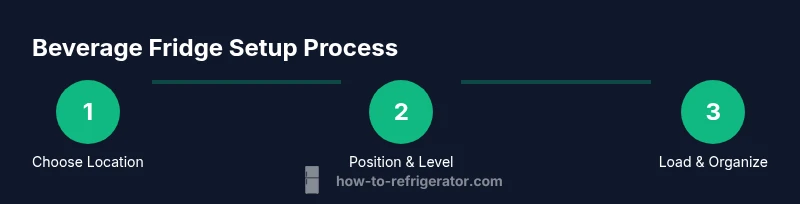
- 1
Choose a suitable location
Select a cool, dry spot with good airflow and minimal direct sunlight. Ensure there is enough clearance on all sides for ventilation and that the space fits the fridge’s width and height.
Tip: Mark a clear area before moving the unit to avoid scrapes or damage. - 2
Unbox and inspect the unit
Carefully remove packaging and inspect for dents or loose shelves. Verify that the door seals are intact and that the interior is clean before first use.
Tip: If you spot any damage, contact the seller before plugging in. - 3
Place on a level surface and connect power
Position the fridge level to prevent vibration and ensure door alignment. Plug into a dedicated outlet if possible to avoid overloading circuits.
Tip: Use a surge protector if the outlet is shared with other appliances. - 4
Set initial temperature range
Turn on the unit and set the thermostat to a stable, moderate range suitable for beverages. Avoid major temperature swings during the first 24 hours.
Tip: Use an external thermometer to confirm actual temperature. - 5
Arrange shelves for accessibility
Adjust shelves to accommodate varied beverage heights (cans, bottles, wine). Group similar drinks together for quick access.
Tip: Place frequently used drinks at eye level or easy-reach zones. - 6
Load beverages with organization in mind
Fill by category and rotate stock so older items are used first. Leave space for air to circulate between shelves.
Tip: Avoid overfilling; blocked airflow increases energy use. - 7
Run a quick test after stabilization
After 24 hours, verify that internal temperature remains stable with the thermometer. Make small thermostat tweaks if you notice drift.
Tip: Small adjustments are more effective than large changes. - 8
Create a cleaning and maintenance routine
Set a schedule for wipe-downs, shelf cleaning, and condenser checks. Regular upkeep reduces noise and extends life.
Tip: Document checks so you don’t miss preventive tasks.
FAQ
What is a beverage drink refrigerator and how does it differ from a standard refrigerator?
A beverage drink refrigerator is a compact unit focused on cooling and organizing drinks, typically with adjustable shelves and clear doors. It complements a standard refrigerator by providing dedicated beverage storage and reducing temperature fluctuations in the main fridge.
A beverage fridge is a small cooler dedicated to drinks, helping you store beverages separately from the main fridge.
What temperature should a beverage fridge be set to for most drinks?
Aim for a stable, cool range that prevents freezing while keeping drinks pleasantly cold. Use an external thermometer to verify actual temperatures and adjust the unit’s thermostat accordingly.
Keep it cool but not frozen, checking with a thermometer to maintain stability.
Can I store wine in a beverage drink refrigerator?
Some models offer wine-friendly racks or a separate zone, but check the manufacturer’s guidance. If you do, store wine bottles securely as vibration and temperature shifts can affect sediment and flavor.
Some beverage fridges support wine storage, but follow the model’s instructions.
What should I do if the fridge is noisy or vibrates?
Check that the unit is level, doors and shelves are secured, and air vents are not blocked. A loose component or dusty condenser can cause noise; clean or tighten as needed.
Make sure it’s level and clean; noise is often fixable with simple checks.
Is energy efficiency important for a beverage fridge?
Yes. Energy-efficient models save electricity over time, especially since these units often run continuously. Look for energy-star ratings and well-sealed doors.
Energy efficiency matters for ongoing costs and cooling consistency.
How do I troubleshoot foggy gaskets or condensation inside the door?
Inspect the door seal for cracks or gaps, clean to remove residue, and replace if damaged. Ensure the door closes fully and is aligned properly.
Check the seal and alignment if you see condensation.
How often should I clean a beverage fridge?
Wipe spills daily and perform a thorough interior cleaning monthly, including shelving. Regular maintenance prevents odors and ensures consistent cooling.
Clean regularly to keep it fresh and efficient.
Watch Video
Top Takeaways
- Choose the right location and size before buying.
- Prioritize door seals and airflow for stable cooling.
- Organize by beverage type to speed access and improve energy efficiency.
- Establish a simple cleaning/maintenance routine to extend unit life.