Optimal Refrigerator Temperature: A Practical Guide
Discover what's optimal refrigerator temperature for safe food storage, energy efficiency, and reduced waste. Learn fridge vs freezer ranges, zone-by-zone targets, and practical steps from How To Refrigerator to keep foods fresh and costs down.


Why Temperature Control Matters for Food Safety and Quality
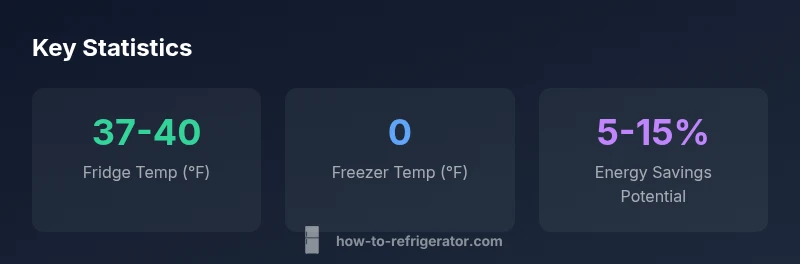
Maintaining a stable refrigerator temperature isn’t just about keeping produce crisp; it’s a foundational step in food safety and reducing waste. When the fridge runs too warm, pathogenic bacteria can multiply quickly, compromising dairy and leftovers. Conversely, overly cold settings can cause texture degradation in produce and frozen items. For what's optimal refrigerator temperature, the safe baseline starts with the fridge compartment near 37-40°F (3-4°C) and the freezer at 0°F (-18°C). Subtle fluctuations, even a degree or two, can tilt the balance toward quicker spoilage or texture loss. Homeowners should understand how their specific unit behaves, including door-open habits, condenser cleanliness, and the placement of items. In practical terms, a stable temperature protects dairy safety, preserves leftovers, and minimizes energy draw. The result is less waste and fewer last-minute grocery runs.
Note: Small temperature fluctuations are common; the goal is to prevent persistent drifts.
Understanding Standard Ranges: Fridge vs Freezer
Refrigerators and freezers operate within different safety envelopes. The fridge is typically kept in the low 30s to mid-40s Fahrenheit, with a commonly recommended band around 37-40°F. Freezers should hold at 0°F for long-term storage, though a short-term range of -5 to -2°F can occur during defrost cycles or power fluctuations. These ranges reflect food safety science and common appliance behavior. Keeping both zones within these bands reduces spoilage risk and ensures butter, milk, meat, and frozen meals retain texture and flavor. If your unit runs warmer than these targets, you may notice faster spoilage and taller ice buildup when frost accumulates.
Zone-by-Zone Guidance: What to Keep in Each Compartment
Different areas of the fridge serve different purposes. The dairy compartment and main shelf benefit from a steady 34-38°F to slow bacterial growth without freezing delicate items. The meat/seafood drawer benefits from 32-36°F to promote safe thawing while maintaining quality. Produce is best kept slightly warmer (40-46°F) to slow wilting but avoid premature ripening. In the freezer, 0°F is the standard target for preserving texture and nutritional value. By aligning each zone to its specific band, you’ll notice fewer spoiled items and more reliable freshness across groceries.
Testing and Monitoring: Thermometers and Readouts
Reliable temperature readings require a dependable thermometer placed away from door seals and heat sources. Place one in the center of the fridge and another in the freezer, ideally not directly on a shelf that slips or vibrates. Check readings after the unit has settled for 24 hours, then recheck weekly during seasonal changes. If your appliance has built-in digital readouts, calibrate them following the manufacturer’s guidance and cross-check with an independent thermometer. Keep a small log of readings to spot trends, such as gradual drift after door openings or during heavy usage periods.
Common Myths About Refrigerator Temperatures
Myth: If food looks cold, it’s safe. Reality: Bacterial growth can occur even at seemingly cool temperatures. Myth: Freezing everything preserves all nutrients. Reality: Some foods lose texture or nutrients after freezing, depending on composition. Myth: Higher power equals better cooling. Reality: Excess cooling often wastes energy and damages certain foods. Debunking these myths helps homeowners focus on steady targets rather than chasing perfect numbers in real-time.
Impact on Energy Use and Food Waste
Consistently maintained temperatures reduce energy consumption by limiting compressor cycling. When temps drift, you’ll notice longer run times and higher energy bills. A stable fridge not only preserves food longer but also reduces waste and the resources tied to producing, transporting, and discarding spoiled items. The energy benefit grows when doors aren’t opened and when the appliance is well-ventilated. This is why a simple, steady temperature strategy matters for both safety and sustainability.
How to Calibrate and Adjust Your Settings
If readings drift, start by checking door seals, condenser coils, and ventilation. Clean dusty coils, reposition items to allow air circulation, and avoid overfilling shelves that block airflow. Use a dedicated thermometer to verify the fridge and freezer readings and adjust the thermostat in small increments (one or two degrees) as needed. After each adjustment, wait 24 hours and re-check to confirm the new stable range. Remember that seasonal heat or cold can shift ideal settings slightly, so periodic tweaks may be necessary.
Troubleshooting: When Readings Don’t Match
Sans a faulty thermometer, discrepancies between built-in readouts and external thermometers can happen due to door skews, heavy occupancy, or defrost cycles. If you notice persistent mismatches, it’s worth inspecting door gaskets for leaks, ensuring proper door alignment, and testing with multiple thermometers at different shelves. If miscalibration persists, consider professional service. In most cases, small fixes restore accurate readings without replacing components.
Quick Start Checklist: 10-Minute Setup for A Safe Temperature
- Reset fridge to 37-40°F and freezer to 0°F using the appliance controls
- Place two thermometers (fridge and freezer) away from doors and vents
- Clear vents and avoid overpacking shelves to improve airflow
- Run a 24-hour check and note any drift
- Schedule regular monthly checks and a seasonal coil cleaning if needed