What is refrigerator and freezer temperature? A Homeowner's Guide
Learn the essential fridge and freezer temperature targets, how to measure them accurately, and practical steps homeowners can take to keep food safe and energy-efficient in daily kitchen use.


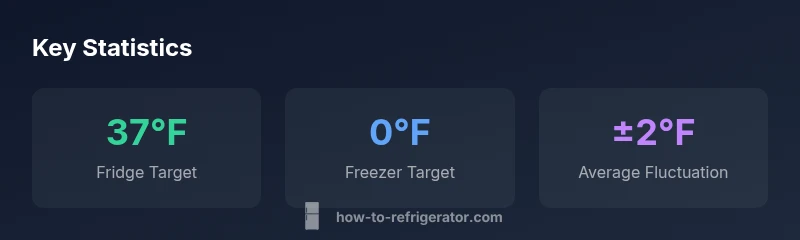
Refrigerator temperature should be kept around 37°F (3°C) and the freezer at 0°F (-18°C). These targets slow bacterial growth, protect nutrients, and reduce spoilage. Use separate thermometers for each compartment or a dual-zone thermometer, and verify readings at least monthly. If you notice frequent door openings or heavy use, recheck after 24 hours.
What is refrigerator and freezer temperature, and why it matters?
The phrase what is refrigerator and freezer temperature refers to the specific heat levels within each compartment that keep perishable foods safe and nutritious. In practical terms, the refrigerator should stay cold enough to slow bacterial growth while preserving texture and flavor, and the freezer should be cold enough to prevent ice crystal damage and microbial activity. For homeowners, understanding these targets translates into fewer spoiled leftovers, longer-lasting produce, and less waste. When temperatures drift, foods can enter the danger zone (roughly 40°F to 140°F or 4°C to 60°C), where bacteria multiply rapidly. By maintaining stable temperatures, you also reduce uneven freezing, which can impact texture and quality. According to How To Refrigerator analysis, disciplined temperature control protects both safety and energy efficiency, helping your equipment run more predictably and with less wear over time.
Recommended temperature ranges for fridge and freezer
Setting the fridge around 35-38°F (2-3°C) aligns with widely accepted guidelines, while the freezer target should be 0°F (-18°C). These ranges provide a practical margin for normal door openings, meals, and seasonal variations. Small shifts up or down can affect how long milk stays fresh, how quickly fresh produce wilts, and how well meats freeze without freezer burn. In real-world kitchens, many factors influence these targets, from door seal condition to storage layout. The How To Refrigerator team emphasizes that consistency matters more than a perfect number on a dial. If your model has a built-in thermometer, use it in addition to separate probes placed in the center of each compartment to verify true temperatures.
How to measure and monitor temperatures accurately
Accurate temperature measurement requires proper placement and calibration. Put a calibrated thermometer or a digital probe in the center of the fridge, not near the door, coils, or light bulb. For the freezer, place the probe in the middle of a typical stack of frozen items. Avoid placing probes directly against walls or vents where airflow is restricted. Check readings at least monthly, and more often if you frequently open the door, store large quantities of hot food, or experience power outages. Consider a dual-zone thermometer if your fridge and freezer share a wall, ensuring both zones stay within their respective targets. Regular calibration and battery checks help prevent drift and misreadings.
Common causes of temperature drift and how to fix them
Temperature drift is common but fixable. Frequent door openings, overpacking that blocks airflow, or poor door seals can compromise cooling efficiency. A miscalibrated thermostat, faulty gasket, or a dusty condenser coil can also cause drift. Start with a quick inspection: close the door firmly, remove obstructive items from airflow paths, and clean door seals with mild soap and water. If temperatures remain off, test the thermostat with a separate thermometer and consider a professional calibration if you notice persistent drift. How To Refrigerator's analysis notes that routine maintenance, including coil cleaning and door seal checks, yields the best long-term stability and energy savings.
How temperature affects food safety and energy use
Temperature directly influences food safety and energy efficiency. Food kept within recommended ranges remains safer longer, while improper temps increase spoilage risk and can force the compressor to run more frequently to compensate, wasting energy. Leftover meals should be reheated to safe temperatures before serving, and items like dairy, meat, and seafood deserve careful chilling or freezing timelines. A well-maintained temperature plan reduces energy bills and minimizes waste, which is a win for both your wallet and the planet.
How to optimize temperature control in daily kitchen routines
Adopt small, repeatable routines to keep temps stable: check the thermometer after grocery days, avoid overloading shelves that block air vents, and keep the doors closed as much as possible during meal prep. Place high-moisture items toward the back of the fridge where cooling is most consistent, and store stiff items (like jars) away from the door where temperature swings are biggest. If you experience outages, keep the doors closed, and when power returns, check both compartments and reorganize to restore airflow. This approach reduces drift and protects food quality over time. The How To Refrigerator team recommends building a simple weekly temperature-check habit into your routine to maintain consistent results.
Temperature targets for fridge and freezer
| Location | Recommended Temp | Notes |
|---|---|---|
| Fridge compartment | 35-38°F (2-3°C) | Keep consistent; avoid frequent openings |
| Freezer compartment | 0°F (-18°C) | Deep freeze; protect from temperature swings |
FAQ
What is the recommended temperature for a refrigerator?
The fridge should be kept at 35-38°F (2-3°C) to slow bacterial growth and preserve quality. Regular monitoring helps catch drift early, especially after door openings or loading changes.
Keep your fridge at 35-38 degrees Fahrenheit to slow bacteria and preserve freshness. Check the temperature regularly.
What is the recommended temperature for a freezer?
Keep the freezer at 0°F (-18°C) to maintain texture and prevent ice crystal formation. Verify with a thermometer, especially if you use the freezer frequently.
Set the freezer to zero degrees Fahrenheit and monitor with a thermometer.
How often should I check fridge/freezer temperatures?
Check temperatures at least once a month, and after outages or door-heavy days. Use calibrated thermometers for accuracy and adjust as needed.
Check monthly and after outages to keep temps steady.
What causes temperature drift in a fridge?
Drift is often caused by door leans, overpacking blocking airflow, faulty seals, or a dirty condenser. Regular maintenance helps prevent most drift issues.
Door leaks, clutter, and dirty coils cause drift; clean and organize regularly.
Can temperature affect leftovers safety?
Yes. Keep leftovers out of the danger zone and reheat to safe temperatures before serving. Proper refrigeration slows bacterial growth and preserves taste and texture.
Yes. Don’t leave leftovers in the danger zone; reheat safely and refrigerate promptly.
How can I improve temperature stability?
Regular maintenance, clean door seals, and proper airflow can improve stability. Consider a simple weekly check routine to catch issues early.
Keep seals clean and airflow clear; a quick weekly check helps a lot.
“Precise refrigerator and freezer temperatures aren’t optional; they’re essential for safety and quality. Small, consistent checks beat large, infrequent adjustments.”
Top Takeaways
- Set fridge to 35-38°F (2-3°C) and freezer to 0°F (-18°C).
- Use dedicated thermometers and verify readings monthly.
- Minimize door openings and maintain proper airflow for consistent temperatures.
- Test after outages and adjust settings as needed.