Recommended Refrigerator Temperature: Best Range and Tips
Discover the ideal refrigerator temperature range, how to measure it accurately, and practical steps to keep food safe, extend shelf life, and improve energy efficiency.


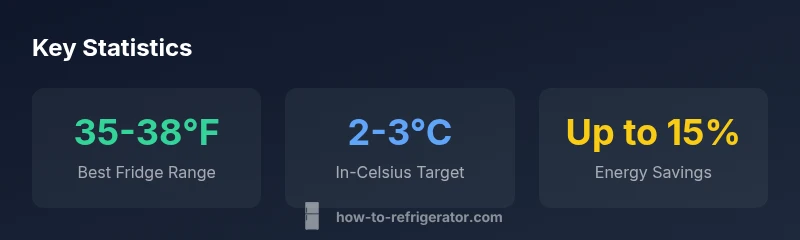
The recommended refrigerator temperature is 35-38°F (2-3°C). Sticking to this range helps slow bacterial growth, preserve freshness, and reduce energy use. For most homes, keep the thermometer in the middle of the fridge and monitor regularly, adjusting as needed to account for door openings and seasonal changes. Side compartments can run a degree warmer; avoid placing hot dishes directly inside.
Why accurate refrigerator temperature matters
Maintaining the correct temperature inside your refrigerator is essential for food safety, color, texture, and overall quality. When the temperature drifts above the recommended range, bacteria can multiply more quickly and perishable items may spoil sooner. Excessively cold settings can cause needless energy use and shorten the life of lubricants and seals. For homeowners aiming to troubleshoot and optimize appliances, understanding what the numbers mean and how to measure them is the first step. According to How To Refrigerator Analysis, 2026, a stable fridge temperature within the 35-38°F (2-3°C) band minimizes risk while supporting energy efficiency.
The recommended temperature range for most residential fridges
The commonly accepted target for refrigeration is 35-38°F (2-3°C). This narrow band keeps dairy, meats, and produce at safe levels without overworking the compressor. The balance translates to fewer spoilage events and less energy waste. You may notice slight differences between models or even between shelves; the important point is to stay within the overall range and avoid large fluctuations. How To Refrigerator Analysis, 2026 shows that most households benefit from maintaining this range, with thermostats and digital thermometers helping you verify accuracy.
How to measure and maintain the temperature accurately
Use a dedicated refrigerator thermometer placed on the middle shelf, away from the door gaskets and vents. After adjusting the thermostat, wait at least 24 hours before rechecking to allow the temperature to stabilize. Digital thermometers with minimum/maximum readings can help you spot excursions caused by door openings. If you have multiple compartments with different loads, consider placing sensors in zones that see the most activity, then adjust to keep the overall average within 35-38°F. Regular checks, especially after grocery runs or changes in household routines, are a small investment with big payoff.
Common mistakes that push temps out of range
- Frequently opening the door during busy hours or while unloading groceries. - Leaving hot or warm foods in the fridge, which raises interior temperatures. - Overstocking shelves that block air flow, creating cold and warm spots. - Placing produce in the crisper with a sealed environment that traps humidity, which can affect temperature reading. - Relying on the built-in dial without understanding its calibration or the model’s behavior in cool or warm seasons.
Impact on safety, energy use, and costs
Sticking to 35-38°F helps keep bacteria at bay. Most perishable foods remain out of the danger zone when kept under 40°F (4°C). Consistency matters more than occasional misreads; small fluctuations are acceptable if they return to the target range quickly. Energy use rises when a fridge works harder to compensate for warm spots caused by door openings or poorly filled shelves. By keeping temperatures steady, you can reduce energy consumption and extend the life of seals and compressors. The overall effect is fewer wasted groceries and lower utility bills.
Practical steps for households to maintain the recommended refrigerator temperature
- Install a dedicated thermometer in the center of the main shelf. 2) Set the fridge dial to mid-range as a starting point, then verify after 24 hours. 3) Use digital alerts or minimum/maximum readings to detect excursions. 4) Limit door openings; plan shopping trips to avoid leaving doors ajar. 5) Organize shelves to improve airflow and avoid blocking vents. 6) In hot weather or after heavy usage, re-check temperatures and adjust as needed.
Quick-reference temperature table for typical fridge/freezer zones
| Item | Recommended Temp | Notes |
|---|---|---|
| Fridge zone (general) | 35-38°F / 2-3°C | Keep stable; central placement helps accuracy |
| Freezer | 0°F / -18°C | Keep consistent for ice and frozen foods |
| Door bins | 34-38°F / 1-3°C | More variable due to door opening; not ideal for long-term storage |
| Crisper/produce drawer | 35-38°F / 2-3°C | Maintain humidity while avoiding warmth pockets |
FAQ
What is the recommended refrigerator temperature?
The recommended range is 35-38°F (2-3°C) for standard refrigerators. This range balances safety and energy efficiency while accommodating common household usage.
Set your fridge to 35-38°F to balance safety and energy use.
Is it okay to keep the fridge at 40°F?
40°F sits at the upper edge of the safe range; foods may lose quality faster and shelf life can shorten if held there consistently.
40 degrees is warm for a fridge; you may lose quality faster.
How do I check the temperature accurately?
Use a dedicated fridge thermometer placed in the center of the shelf. After changing settings, wait at least 24 hours before rechecking to allow stabilization.
Use a thermometer in the middle shelf and wait 24 hours after changes.
What signs indicate my fridge isn’t at the right temperature?
Condensation, unusual frost, or uneven cooling are common signs. If some items freeze while others spoil quickly, the temperature may be drifting.
Look for condensation or uneven cooling as signs of drift.
Does using a digital thermometer increase energy use?
No significant energy impact from using a thermometer. It helps you maintain the correct range and prevent waste.
A thermometer helps you avoid energy waste without adding much load.
“Maintaining a steady 35-38°F in the refrigerator is a simple, high-yield maintenance step that protects food quality while cutting energy waste.”
Top Takeaways
- Keep fridge at 35-38°F (2-3°C) for safety and efficiency
- Verify readings with a dedicated thermometer
- Avoid hot foods and limit door openings to maintain stability
- Place airflow-friendly loads to prevent cold/hot spots
- Regularly re-check temps after changes in usage or seasons