Is Refrigerator High in Electricity? A Data-Driven Guide
Discover how much electricity a refrigerator typically uses, what drives higher consumption, and practical steps to reduce energy use without compromising performance. Data-backed guidance from How To Refrigerator helps homeowners make informed choices.


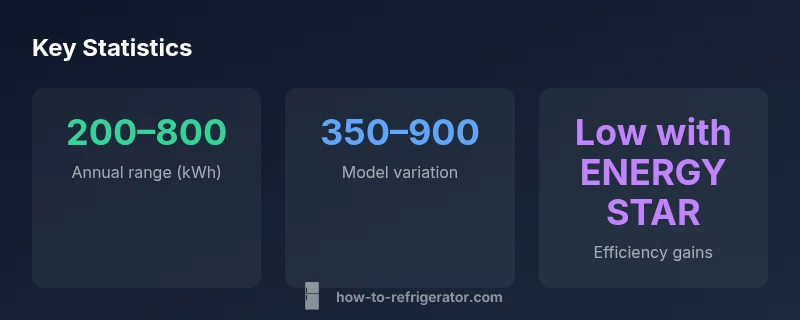
A typical refrigerator consumes roughly 200–800 kWh per year, with modern energy-efficient models clustering toward the lower end. In practice, your unit’s actual usage depends on size, features, and door sealing, but newer ENERGY STAR-rated models often use substantially less than older ones. To gauge your specific consumption, compare the labeled annual energy use on the ENERGY GUIDE label and consider how open the doors are and how full the shelves tend to be.
Is a Refrigerator High in Electricity? A Reality Check
Is a refrigerator high in electricity? The simple answer is that it depends on several factors, including size, model year, and how you use it day-to-day. According to How To Refrigerator, there is a broad spectrum: older, larger units with standard compressors can push yearly consumption toward the upper end of the typical range, while compact, energy-efficient models sit toward the lower end. The key is to understand where your specific unit falls within that spectrum and what actions you can take to move consumption lower without compromising food safety or convenience. Real-world patterns—such as frequent door openings, placing hot foods directly inside, and placing the fridge near heat sources—can dramatically raise energy use. By aligning expectations with the ENERGY GUIDE label and adopting a few maintenance habits, homeowners can estimate costs and achieve meaningful savings over time.
How Energy Use Is Measured in Refrigerators
Energy use is measured through a combination of standardized laboratory tests and consumer-facing labels. In the United States, the Department of Energy (DOE) uses controlled testing to estimate a refrigerator’s annual energy consumption, simulating typical daily use across a year. The ENERGY STAR program adds an efficiency criterion that models must meet to carry the label, with independent verification of results. The ENERGY GUIDE label on most units lists the estimated annual energy use in kilowatt-hours and a rough operating cost, which helps homeowners compare models quickly. It’s important to note that real-world results will vary with climate, placement, lighting inside the unit, and how often the door is opened. Understanding these measurements helps homeowners set realistic expectations and avoid paying for features that don’t translate into real savings.
Factors That Drive Higher Energy Use
Several interrelated factors determine a refrigerator’s energy footprint. Size and capacity are obvious drivers: larger interiors require more energy to maintain stable temperatures. Features such as ice makers, water dispensers, and multiple temperature zones add energy overhead. Defrost type matters too: frost-free systems continually run defrost cycles, which can add to consumption, while manual defrost designs may save energy if used properly. The efficiency of the compressor and the insulation quality influence loss/gain; outdated compressors and poor seals waste energy even when idle. Ambient temperature and installation location (near heat sources or in uninsulated rooms) further magnify energy use. Finally, lighting plays a role—older incandescent bulbs use more energy than modern LEDs, albeit this is a smaller portion of the total load in most mid- to high-end models.
How to Compare Refrigerator Energy Use: Labels, Tests, and Real-World Results
When comparing models, rely on the ENERGY GUIDE and ENERGY STAR labels as primary references. The ENERGY GUIDE provides an estimated annual energy use range for each model, which helps you identify better performers at a glance. ENERGY STAR models meet stricter efficiency criteria, and real-world performance often aligns with these claims, though your usage patterns will affect outcomes. In practice, a low-energy unit paired with mindful habits—such as minimal door openings, proper placement, and stable temperatures—will outperform a larger, feature-heavy model that’s used frequently. Use the labels as a baseline, then assess features against your actual needs and layout.
Practical Ways to Reduce Electricity Use Without Sacrificing Performance
- Choose the right size for your household: a refrigerator that fits your typical groceries reduces empty-space energy waste.
- Upgrade to ENERGY STAR or equivalently efficient models when replacing an older unit; the long-term savings can be substantial.
- Maintain door seals: clean seals, replace damaged gaskets, and ensure doors seal properly after closing.
- Optimize temperatures: keep the fridge around 37–40°F (3–4°C) and the freezer at 0°F (-18°C) to balance safety and efficiency.
- Reduce heat sources near the fridge: avoid placing the unit next to the oven or in direct sunlight.
- Keep coils clean and unobstructed: dust-free condenser coils improve heat rejection and lower energy use.
- Minimize door openings and overloading: frequent access and overcrowding can reduce cooling efficiency and raise energy use.
- Use the fresh-food drawer wisely: keeping items grouped by temperature can reduce interior temperature drift and save energy.
Everyday Habits That Impact Long-Term Energy Costs
Small daily habits compound into meaningful savings over the life of your refrigerator. Open the door less often, plan ahead for groceries, and avoid placing hot or warm foods directly into the fridge. If your unit is older than 10–15 years, consider a mid-range upgrade with better insulation and a more efficient compressor. Regular maintenance—clean coils, check door alignment, and replace worn gaskets—extends efficiency. Finally, use energy-saving modes when the appliance is idle for extended periods, such as when you’re away for a vacation.
Comparison of refrigerator energy use by model type
| Model Type | Estimated Annual Energy Use (kWh) | Notes |
|---|---|---|
| Standard Top-Freezer | 600-800 | Classic design, moderate efficiency |
| Bottom-Freezer with Energy Star | 350-500 | Modern insulation, efficient motors |
| French Door with Ice Maker | 700-1000 | Large capacity, higher energy draw |
| Compact Apartment Fridge | 150-300 | Small footprint, lower use |
FAQ
What counts as high electricity use for refrigerators?
There isn't a universal threshold. Energy use depends on size, features, and how you use the unit. Use the ENERGY GUIDE label to compare models and assess whether your current usage fits the expected range for its type.
There isn’t a universal threshold. Compare your fridge’s energy use with the ENERGY GUIDE label and consider features and how you use it.
Do energy-efficient models always save energy?
In most cases, yes, but real-world savings depend on usage patterns. A highly efficient model will cut consumption, but frequent door openings, warm room temperatures, or improper maintenance can erode those gains.
Usually yes, but actual savings depend on how you use the fridge and how well you maintain it.
How can I tell if my fridge is wasting energy?
Check the ENERGY GUIDE label, inspect door seals for gaps, listen for constant compressor cycling, and measure interior temperatures. A power meter can help quantify actual usage.
Look at the label, test seals, and measure temperatures; a meter can verify your fridge’s energy draw.
Is defrost cycle necessary for energy savings?
Frost-free models save manual effort but can add constant energy use due to defrost cycles. If you have a manual defrost unit, proper defrosting can help keep efficiency up.
Frost-free units run defrost cycles that use energy; manual defrost can be more energy-efficient if managed.
When is it worth upgrading to a new fridge?
If your current fridge is old, inefficient, or costly to run, upgrading can pay back over time through lower energy bills. Compare the upfront cost with long-term savings based on your usage and local electricity rates.
Old, inefficient fridges can be worth upgrading if savings outweigh the cost over time.
“Energy efficiency is a combination of intelligent design and user habits. Even the most efficient fridge loses savings when seals fail or doors stay open.”
Top Takeaways
- Energy use varies widely by model and features
- Always check ENERGY GUIDE labels before buying
- Improve door seals and reduce door openings to save energy
- Upgrade to ENERGY STAR when replacing old units
- Routine maintenance boosts efficiency and extends life