What Refrigerator Uses the Least Electricity: A Homeowner Guide
Discover how to choose and maintain a fridge that minimizes energy use. This How To Refrigerator guide compares model types, labels, and maintenance steps to help homeowners save on electricity.


The refrigerators that use the least electricity are typically compact or top-freezer models with modern, high-efficiency compressors and tight door seals. Look for ENERGY STAR labels and compare annual energy consumption rather than upfront price. Real-world energy use depends on size, configuration, and how you use the fridge.
What 'what refrigerator uses the least electricity' means for homeowners
When evaluating a fridge for low energy use, you’re balancing size, configuration, and how the appliance performs in real kitchens. According to How To Refrigerator, the energy footprint of a refrigerator is driven by the cooling demand created by its volume, how well it seals, and how efficiently its compressor runs. The goal is to minimize wasted cooling time without sacrificing food safety. In practice, the models that frequently come out on top are compact or top-freezer configurations with modern, efficient compressors and well-sealed doors. This section explains how to decode energy labels and translate them into real-world savings for your home.
Key factors that determine electricity use in refrigerators
Energy consumption isn’t a single number; it’s the result of several interacting factors. Size matters: a smaller unit generally requires less energy, but only if it’s properly insulated for the space. Configuration matters: top-freezer models often use less energy than side-by-side units, though advances in compressors have narrowed the gap for some French-door designs. Door seals and insulation quality are crucial—tiny gaps let warm air in and force the compressor to work harder. Temperature management, defrost methods (manual vs. automatic), and compressor efficiency (single-speed vs. variable-speed) all influence annual energy use. Finally, ambient temperature around the fridge and how often the door is opened play a role. By aligning these factors, you maximize efficiency in everyday use.
Understanding energy labels and why they matter
Energy labels provide a straightforward snapshot of expected annual energy consumption, typically measured in kWh/year. ENERGY STAR labeled models usually meet stricter efficiency criteria, which translates to lower electricity use over time. How To Refrigerator analysis shows that choosing ENERGY STAR can reduce operating costs, but the actual savings depend on model size, capacity, and how you use the appliance. Use the energy guide label as a primary reference, then cross-check with manufacturer specifications and independent reviews to confirm long-term performance.
How to pick the right size and configuration for energy efficiency
A common pitfall is buying a fridge that’s too large for the household. Oversized models incur higher idle losses and more cooling demand, even if they have efficient components. For many homes, a compact or standard top-freezer model delivers the best energy balance. When choosing, consider peak grocery needs, door space, and placement in the home. Ensure the unit has a good door seal, easy-to-clean coils, and a dependable temperature controller. If you must upgrade, aim for the smallest capacity that meets your daily needs and includes modern energy-efficient features.
How to compare models: reading the numbers that matter
To compare models, start with the annual energy consumption figure on the Energy Guide label and the ENERGY STAR rating. Then verify the refrigerator’s exact dimensions to avoid over-scoping the space, which can affect airflow and efficiency. Look for features that reduce energy waste, such as door-in-door designs that minimize cold air loss, and a high-quality gasket. Finally, read independent reviews about reliability and real-world energy use to avoid models that underperform under typical household conditions.
Practical steps you can take today to reduce fridge energy use
- Set the temperature to the recommended range (roughly 37-40°F for the fridge and 0°F for the freezer).
- Put the fridge away from heat sources like ovens or sunny windows, and avoid placing it behind appliances that emit heat.
- Keep door seals clean and intact; replace worn gaskets promptly.
- Minimize door openings and organize items to reduce time the door stays open.
- Clean condenser coils regularly and ensure proper airflow around the unit.
- Ensure the fridge has adequate ventilation and isn’t in a cramped or enclosed alcove.
- Consider a model with a variable-speed compressor for better efficiency in fluctuating loads.
Common myths and misconceptions about fridge energy use
Myth: Bigger is always better for energy efficiency. Reality: proper sizing matters more than capacity; oversized fridges waste energy. Myth: ENERGY STAR guarantees the lowest energy use. Reality: energy use varies with usage patterns and placement. Myth: Frequent defrosting improves efficiency. Reality: modern frost-free systems can be less efficient; manual defrost can save energy in certain older models. Evaluate each unit on its own merits.
How How To Refrigerator guides your energy decisions
Our team examines model families, real-world usage, and maintenance steps to help homeowners make informed choices. By focusing on energy-efficient design, seal quality, and everyday practices, you can lower electricity use without compromising food safety or convenience. The How To Refrigerator team emphasizes clear, actionable guidance rooted in home testing and practical experience.
Maintenance tips that save energy and extend fridge life
Regular maintenance supports efficiency. Clean coils at least twice a year, inspect doors for gaps, and ensure proper ventilation around the unit. If you notice unusual frost buildup or temperature inconsistency, address it early to avoid wasted energy. Keeping the interior organized reduces the time doors stay open, contributing to lower electricity use.
Estimated energy use by common refrigerator types
| Model Type | Avg Annual Energy Use | Notes |
|---|---|---|
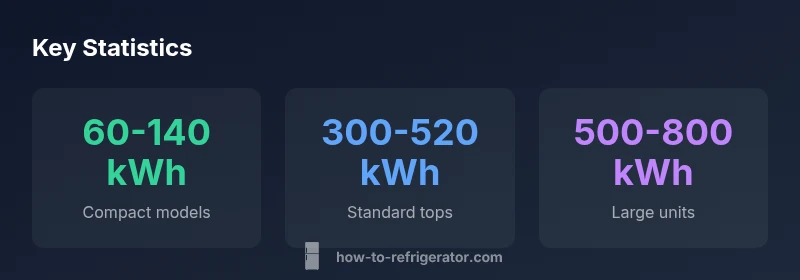
| Compact/Apartment | 60-140 kWh/year | Small footprint; ideal for tight spaces |
| Standard Top-Freezer | 300-520 kWh/year | Classic design; efficient insulation supports savings |
| French-Door / Side-by-Side | 500-800 kWh/year | Larger capacity; energy use varies with features |
FAQ
Do ENERGY STAR refrigerators always use the least electricity?
ENERGY STAR models are designed to be more efficient, but the actual energy use depends on size, features, and how you use the fridge. Always compare annual consumption and real-world performance.
ENERGY STAR helps, but you still need to check the yearly energy use and how you use the fridge at home.
How much energy is wasted if a fridge door is left open?
Leaving the door open allows cool air to escape and forces the compressor to work harder, wasting energy. Minimize door openings and organize contents for quicker access.
Open doors waste energy; keep it minimal by planning what you grab.
Are top-freezer models more efficient than side-by-side?
Traditionally, top-freezer models have lower energy use, but modern side-by-side and French-door designs can be efficient if they use advanced compressors and insulation. Compare the specific model’s energy figures.
Top-freezers are often more efficient, but always check the numbers for the exact model.
Does door seal maintenance really save energy?
Yes. Damaged or dirty door seals allow cold air to leak, increasing compressor workload. Regular cleaning or gasket replacement helps conserve energy.
Good seals save energy by keeping cold air in.
What size fridge should I buy for energy efficiency?
Choose a size that matches your household’s needs; underutilized large fridges waste energy. A appropriately sized unit with modern efficiency features typically offers the best balance of capacity and energy use.
Buy the size you actually need, not the largest available.
“Energy efficiency isn’t just a label; it comes from a combination of good design, proper sealing, and careful daily use.”
Top Takeaways
- Choose compact or top-freezer models for lower energy use
- Read the Energy Guide label and ENERGY STAR rating for apples-to-apples comparisons
- Size matters: avoid oversized units to minimize idle energy
- Maintain seals and coils to protect efficiency
- Apply practical strategies to reduce daily energy consumption