How to Get Rid of Unwanted Fridge: A Homeowner's Guide
Learn safe, legal methods to dispose of an unwanted fridge, including recycling, donation, and professional haul-away with step-by-step guidance and safety tips.


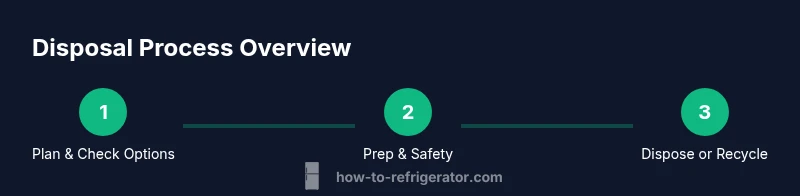
Here's how to get rid of an unwanted fridge safely, legally, and with minimal hassle: determine if it still works, check local disposal options, and choose recycling, donation, or professional haul-away. This guide covers safety steps, refrigerant recovery, and practical prep, with tips from How To Refrigerator. It also outlines setting expectations with service providers and identifying environmentally responsible recycling options.
Why proper disposal matters and where to start
Disposing of an unwanted fridge is about safety, legality, and environmental responsibility. Refrigerants, oils, and foams can harm air quality and the environment if released improperly. Municipal rules often require refrigerant recovery before any disposal and may restrict how bulky appliances are collected. For homeowners, the challenge is choosing between DIY prep and hiring a pro, while ensuring that the space is prepared for the move and that everyone involved stays safe. According to How To Refrigerator, the most reliable path begins with a quick assessment of whether the unit still functions and what local options exist. If the appliance still cools and someone could use it, donation or resale may be viable; otherwise, recycling or professional haul-away is usually recommended. This section sets the stage for a practical, compliant plan that minimizes risk and disruption to your home. Use this framework to decide your exact disposal path and to avoid common delays when scheduling.
Is it still functional? Decide between reuse and disposal
If you want to know how to get rid of unwanted fridge, start by testing whether it runs and cools reliably. A functioning fridge can be donated to charity, sold locally, or given to someone who needs affordable appliances, which can save resources and reduce waste. If it fails to cool, leaks refrigerants, or has a compromised door seal, disposal is the safer, more responsible option. Create a quick checklist: does it hold a consistent temperature, is there unusual frost in the freezer, are there leaks or visible rust, and is the compressor noisy beyond normal hum? Use this assessment to guide your choice and avoid wasting time on a path that won’t work. Remember to confirm local rules; some programs only take non-working units if they are stripped of doors or require a pickup slot. This decision is the foundation of an efficient, low-stress process for how to get rid of unwanted fridge.
Safety first: unplug, refrigerant recovery, and connections
This is a critical area where many DIY attempts go wrong. Refrigerant recovery must be done by a licensed technician in most regions before disposal, which protects you, neighbors, and the environment. Before the tech arrives, unplug the appliance at the wall, unplug any connected power strips, and remove nearby items to create a clear, safe path. If your fridge has an ice maker or water line, plan to have the line disconnected by a professional and capped to prevent leaks. Never puncture lines or attempt to recover refrigerant yourself; improper handling can release hazardous gases. Keep children and pets away during this process and ensure you have documentation from the service provider for proof of refrigerant recovery.
Prep and cleanup: empty, defrost, clean, and document
Before moving the fridge, empty all contents to prevent spills and odors during transport. Defrost the freezer if there is standing ice; place towels and a tray to catch meltwater and wipe surfaces dry. Clean the interior with mild soap and water to reduce contamination on the way to disposal. Take photos for your records and obtain a disposal receipt or recycling certificate from the pickup service or facility. If you plan to donate or sell the appliance, include a quick description of condition, any known issues, and the date of last service. Proper prep saves time for the driver and increases your chances of a smooth pickup.
Removing doors and making transport safe
Removing fridge doors at home is optional but highly recommended for safety during transport, especially for large units. Use a screwdriver to detach hinges if you are comfortable; otherwise, ask the driver if they can assist or whether doors should be left on. Protect door edges with blankets or moving blankets and tape to prevent damage to walls, floors, or the fridge itself. Secure the shelves or interior components to prevent shifting. When you’re ready to move, use a dolly or appliance hand truck, with straps to stabilize the load. A second person makes the process safer, especially when navigating tight doorways or stairs.
Transport and disposal options: schedule pickup or drop-off
With the appliance prepared, it’s time to choose a disposal option. Some communities offer curbside bulky item pickup or a scheduled haul-away service for appliances, while others require you to transport the unit to a local electronics recycling center. Contact at least two providers to compare eligibility, timelines, and any required documentation. Ask for a written estimate that outlines the pickup date, disposal method (recycling vs. donation vs. landfill), and proof of refrigerant recovery. If the fridge is functional and you’re comfortable with the donation pathway, confirm the partner charity’s intake requirements—some may only accept certain models or request proof of recent service. By coordinating the pickup window and prerequisites, you’ll minimize wait times and ensure the process aligns with local regulations.
After disposal: verify, store receipts, and reflect on the process
After the fridge has been removed, review the disposal receipt or recycling certificate to confirm proper handling of refrigerants and materials. Store these documents with your records in case of future audits or inquiries. Reflect on what you learned about the process for future large-item disposal: which route was fastest, which required the most coordination, and how you can better prepare space and materials next time. If your goal was to learn how to get rid of unwanted fridge efficiently, note the steps that saved time and the checks that prevented delays. This reflection helps you improve planning for future home projects and supports responsible waste management.
Authority sources and regulatory considerations
When disposing of an appliance like a fridge, it’s important to reference credible guidelines. The EPA outlines best practices for appliance recycling and hazardous waste handling, while energy sector resources explain how to recycle and properly manage refrigerants. For consumer guidance on electronics disposal, independent sources from government and university publications provide actionable steps. By aligning your plan with these sources, you’ll ensure safety, compliance, and environmental responsibility. See the recommended authorities for more detail and to verify any local requirements before booking a pickup or dropping off the unit.
Tools & Materials
- Safety gear: heavy-duty gloves(Protect hands from sharp edges and rust)
- Dolly or appliance hand truck(To move the fridge safely without damaging floors)
- Screwdrivers (Phillips and flat-head)(For removing doors or interior panels if needed)
- Pliers and adjustable wrench(Disconnect water line, ice maker, and cords)
- Utility knife(Optional: cut sealant or foam if present)
- Rags and towels(Clean defrost water and spills)
- Plastic sheeting or drop cloth(Protect floors during transport)
- Tape and markers(Label fridge as 'Do Not Use' after prep)
- Local disposal service contact info(Pre-schedule pickup or delivery)
- Cash or payment method for service(Have payment ready if required)
Steps
Estimated time: 2-6 hours
- 1
Assess condition and local options
Quickly test if the fridge cools and determine viable disposal routes in your area. If it’s functional, donation or resale may be best; if not, plan for recycling or haul-away. Always verify local regulations before proceeding.
Tip: Document the appliance’s model and condition to share with donors or service providers. - 2
Power down and unplug
Unplug the fridge from the electrical outlet and remove any nearby cords or power strips. Give the unit a safe, clear space to work in before you begin any manual handling.
Tip: Wait a few minutes to let internal components settle before moving. - 3
Disconnect water line/ice maker
If your fridge has a water line or ice maker, call a licensed technician to disconnect and cap the line. Do not attempt DIY disconnection of these systems.
Tip: Never kink or leave exposed lines that could leak during transport. - 4
Defrost and clean interior
Defrost the freezer if there’s ice buildup; place towels to catch water and wipe surfaces dry. Empty all shelves and drawers to minimize movement during transport.
Tip: Take photos of the interior before removal for reference if donating. - 5
Remove doors or secure them safely
If you’ll remove doors, detach hinges with appropriate tools; alternatively secure doors with straps to prevent opening during transit.
Tip: Use blankets to protect walls and the fridge when maneuvering through tight spaces. - 6
Move to staging area with dolly
Position the dolly under the fridge’s weight center and secure with straps. Keep your back straight and use leg strength to lift, not your back.
Tip: Ask a helper to guide you around corners and obstacles. - 7
Arrange pickup or drop-off
Contact a reputable disposal service or recycling center; confirm refrigerant recovery and documentation requirements. Schedule a pickup window or determine drop-off timings.
Tip: Get written estimates and a receipt or certificate after disposal. - 8
Documentation and confirmation
Collect and store the disposal receipt and any refrigerant recovery proof. Keep these records for future reference and compliance.
Tip: Share the documentation with the neighbor or landlord if needed. - 9
Reflect and learn for next time
Note what went smoothly and what didn’t. Use this experience to streamline future bulky-item disposal and reduce project time.
Tip: Update your home inventory to track appliances and expected disposal dates.
FAQ
Is refrigerant recovery required before disposal?
Yes. Refrigerant recovery is required by federal and many state regulations. A licensed technician must remove and certify the refrigerant before disposal or recycling.
Yes. Refrigerant recovery is required by regulations, and a licensed technician should handle it before disposal.
Can I dispose of a fridge at the curb if it doesn’t work?
Often not. Many programs require scheduling for bulky items or require drop-off at approved facilities. Check local guidelines and arrange a pickup with a certified recycler.
Usually curbside pickup isn’t available for non-working fridges; check local programs for bulky-item recycling.
Can a broken fridge be donated?
Some charities accept non-working units as scrap or for parts, but many require functional appliances. Contact the charity ahead of time to confirm their intake policy.
Sometimes, but you’ll want to call first to confirm if they accept broken units.
How long does disposal scheduling take?
Scheduling varies by location and provider. It can range from same-day service to several days out depending on demand and haul availability.
Scheduling times vary; you may get same-day or several-day windows depending on your area.
What paperwork do I need for disposal or recycling?
In most cases you don’t need special paperwork, but some services require proof of ownership, service or pickup details, and a receipt after disposal.
Usually no paperwork is needed, but keep receipts and any service confirmations.
Is it safe to remove the fridge doors myself?
Door removal is safe if you have the right tools and follow proper hinge-disconnection steps. If unsure, request the driver’s assistance or leave doors on and secure them during transport.
Door removal can be safe if you follow proper steps or get help from the service.
Watch Video
Top Takeaways
- Plan disposal early to ensure a smooth pickup.
- Refrigerant recovery is mandatory and must be done by a licensed pro.
- Reuse or donate if possible to extend the fridge's life.
- Secure doors and protect floors during transport.
- Keep receipts for compliance and proof of proper disposal.