How Much Money Can You Get From Scrapping a Refrigerator? A Practical Guide
Learn how to estimate the scrap value of a refrigerator, what factors drive payout, and practical tips to maximize earnings while disposing responsibly. This How To Refrigerator guide covers weight, metal content, and local market factors.


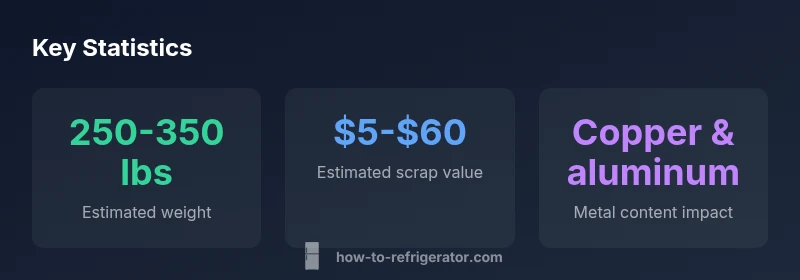
Estimated scrap value for a standard household refrigerator typically ranges from about $5 to $60, depending on weight, metal content, and local scrap prices. Heavier units with copper coils or aluminum components tend to fetch more, while older, poorly insulated models may bring less. Always check with local scrap yards for current rates.
How much money can you get from scrapping a refrigerator
For many homeowners, the central question is how much money you can get from scrapping a refrigerator. The short answer is that payout ranges widely, from a few dollars up to several tens of dollars depending on weight, metal content, and current metal prices. The bulk of the value comes from recyclable metals rather than the plastic shell or insulation. In practice, you’re usually looking at roughly $5 to $60 for a typical household unit, with heavier, copper-bearing models at the top end of that range. The most important variables are weight, the mix of metals, and local market conditions. How To Refrigerator analyses show that scrap payouts swing with copper prices and aluminum demand, so timing and location matter. If you’re aiming to maximize returns, treat scrapping as a two-step process: (1) determine the fridge’s metal potential, and (2) shop around with several local yards to compare offers. According to How To Refrigerator, understanding scrap value starts with knowing what drives payout.
Weight matters: typical fridge sizes and how that translates to scrap pay
Weight is the single biggest driver of scrap earnings. A standard residential refrigerator—whether a top-freezer, bottom-freezer, or standard model—generally weighs in the range of 250–350 pounds, while larger side-by-side units can exceed 350 pounds. Heavier units tend to produce higher payouts because metal yield scales with weight and the value of steel, aluminum, and copper fluctuates with market demand. In practical terms, expect that a heavier fridge will sit at the upper end of the $5–$60 range, provided the unit contains copper coils and other valuable metals. If you’re aiming for precision, request a weight estimate from the scrap yard or estimate based on the model’s approximate size and age.
Metal content breakdown: steel, aluminum, copper coils
The majority of a refrigerator’s value comes from recyclable metals. The steel shell and framework account for a large portion of the weight; aluminum components appear in interior shelves, doors, and coils; copper may be present in coils and certain components. Copper and aluminum fetch higher prices per pound than steel, so a unit with more copper and aluminum tends to pay more than a bare steel shell. The exact mix varies by model and year of manufacture. Modern refrigerant circuits also add a small value when properly recovered, but this depends on local regulations and yard capabilities.
Non-metal components and what affects value
Non-metal parts such as thick polyurethane foam insulation, plastics, and electronic boards add little to metal-based payout. Residual insulation can complicate processing, and some yards simply separate the metal stream and discard nonmetal waste. Electronics, if large and intact, can be remelted or recycled for its copper traces, but many yards treat them as lower-value mixed waste. In short, non-metal components generally dampen the overall payout unless you can salvage valuable subcomponents.
Steps to estimate your fridge's value locally
- Weigh or estimate the fridge’s total mass. 2) Call several local scrap yards to obtain quotes on per-pound rates and total payout. 3) Ask about copper content and whether they expect the unit to be dismantled or hauled away. 4) Confirm whether refrigerant recovery is required and if there is a removal fee. 5) Compare quotes and choose the best overall value, considering convenience and service. 6) If possible, separate metals (copper, aluminum) from steel to maximize value. 7) Ensure proper disposal of refrigerants according to local rules to avoid penalties or safety hazards.
How to maximize your return: practical steps
To boost earnings, start by verifying that the refrigerant has been professionally recovered. Copper coils and aluminum components should be kept intact to preserve value, while removing nonessential plastics may reduce the yard’s processing costs. If you can dismantle the unit safely, you may increase the total payout by presenting a cleaner metal mix. Get quotes from at least three yards, and consider timing—prices can shift with metal markets week to week. If you have a bulky item or multiple fridges, some yards offer bulk rates or pickup services that can improve the overall value after fees.
Environmental considerations and regulations
Refrigerants used in older fridges require careful handling due to environmental and safety concerns. Regulations typically require licensed professionals to recover refrigerant before disposal or recycling. Yard-based disposal may include a small fee or a payback depending on the service. Always verify that the scrap facility is compliant with environmental rules and can provide proper documentation for refrigerant recovery. Following these practices protects your local air quality and ensures you receive legitimate compensation for the metal value.
Real-world scenario: a homeowner scrapping a mid-sized refrigerator
A homeowner removes a standard 300-pound fridge and requests quotes from three local scrap yards. Yard A offers 8 cents per pound for steel plus a separate copper premium, estimated at $28. Yard B quotes 12 cents per pound but deducts a small haul-away fee of $15. Yard C offers a bundled service including free haul-away and a combined payout estimate of $40. The homeowner chooses Yard C for convenience and a higher overall value, aligning with the guidance to compare quotes and consider service quality in addition to per-pound rates.
Estimated scrap value by fridge type
| Category | Estimated Weight (lbs) | Typical Scrap Value Range | Notes |
|---|---|---|---|
| Standard fridge | 250-350 | $5-$60 | Depends on metal content and local rates |
| Compact fridge | 150-250 | $5-$25 | Smaller units yield less |
| Side-by-side fridge | 350-500 | $20-$75 | Heavier units often pay more |
FAQ
How much money can I expect to get from scrapping a refrigerator?
As noted in our quick answer, most fridges yield between $5 and $60 depending on metal content and weight.
Most folks can expect between five and sixty dollars, depending on the fridge and local rates.
Does the age or model affect the scrap value?
Yes, older models often have less metal content or more plastics; heavier models with copper coils tend to pay more.
Older models usually pay less unless they have more metal or copper.
Do I have to pay for removal?
Some yards offer free haul-away; others charge a fee or require you to bring to the yard.
Some places pick it up for free, others charge; check ahead.
Is there any hazard in scrapping a refrigerator?
Refrigerants must be handled by licensed professionals; removing them improperly can be illegal and dangerous.
Refrigerant gas is hazardous; have it disposed by a pro.
What steps can I take to maximize payout?
Ask several yards for quotes, verify refrigerant is removed, and ask about copper-containing components.
Get multiple quotes and ensure proper dismantling; copper can boost value.
Are there programs that help with appliance recycling?
Some cities have appliance recycling programs or incentives; check local waste resources.
Check city programs for disposal rebates.
“Metal recyclers pay based on weight and metal mix; preparation and timing matter for payout.”
Top Takeaways
- Estimate weight to gauge potential payout
- Value mostly comes from steel, aluminum, and copper
- Call multiple yards to compare quotes
- Ensure refrigerant is disposed by licensed technicians
- Prices vary by location and current metal markets