Are Refrigerators Worth Scrapping? A Practical Homeowner's Guide
Discover whether your old refrigerator has scrap value, what factors drive scrap payouts, and practical steps to maximize salvage with licensed recycling. Learn from How To Refrigerator's 2026 analysis.


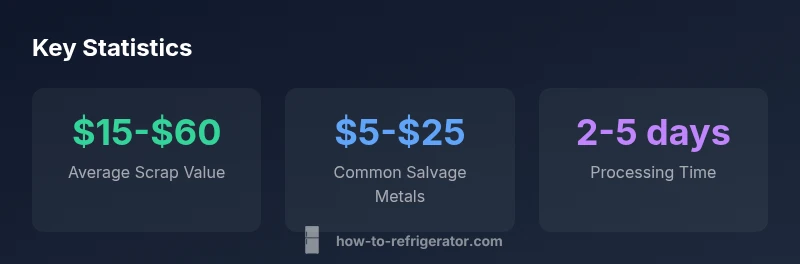
According to How To Refrigerator Analysis, 2026, refrigerators do have scrap value, but it’s usually modest and tied to metal content and proper disposal. Typical units fetch a low single-digit to mid-double-digit payout, with copper-rich components boosting the total. Expect roughly $15–$60 per unit, plus any extra value from recoverable metals.
Are refrigerators worth anything for scrap
For most homeowners, a dated refrigerator feels like a bulky, end-of-life appliance. Yet the scrap value isn’t zero. The worth comes mainly from metal content (steel, aluminum, copper) and the proper handling of refrigerants. How To Refrigerator’s analysis in 2026 shows that while the payout can be modest, it’s real—and can improve if you optimize what you remove and how you partner with licensed recyclers. The key takeaway is that scrap value should be viewed in the context of disposal costs, time, and regulatory requirements, not as a get-rich-quick opportunity. Homeowners should plan around safe handling, local recycling rules, and reputable buyers to maximize return while reducing environmental impact.
What determines scrap value for refrigerators
Scrap value hinges on several concrete factors. First, the metal content: steel frames contribute modestly, but copper and aluminum components can add meaningful value. Second, refrigerant disposal: venting refrigerants is illegal and dangerous; licensed technicians remove and recover refrigerant, which can slightly elevate the value since recyclers can reclaim more material. Third, the compressor type and condition: newer models with efficient compressors and clean circuitry may yield more, especially if copper coils are intact. Finally, the presence of other salvageable parts like door seals, trays, and etc. can add a small premium when bundled with the primary metals. How To Refrigerator’s data in 2026 highlights that metal price fluctuations largely drive the payout, so the same fridge may be worth more in a high-metal-price environment.
How to assess scrap value without moving the unit
You don’t always need to haul the fridge to a yard to gauge value. Start by documenting the model and approximate metal counts (steel shell, copper tubing, aluminum panels). Contact local scrap yards or appliance recyclers to request a rough quote based on the serial/model and your location. Ask whether they handle on-site pickup or require the unit to be brought in. If you’re comfortable with basic disassembly, separate copper and aluminum parts and set aside components that recyclers typically pay more for. Always confirm that the recycler accepts appliances with freon and follows environmental regulations. This approach gives you a ballpark expectation before you schedule pickup or disposal.
Costs and logistics: DIY vs professional removal
DIY removal of a refrigerator can be tempting to save money, but it often isn’t worth the risk or the regulatory hurdles. Removing refrigerant, disconnecting coolant lines, and safely handling compressors require proper tools and training. Professional removal adds a service fee, but it can maximize the salvage value by ensuring all metals are properly separated and that refrigerants are responsibly recovered. In many areas, licensed technicians can also provide documentation for recycling facilities, which speeds up processing and may reduce any bureaucratic friction. When comparing quotes, consider the total potential value of metals plus the convenience and compliance assurance.
How to maximize salvage value responsibly
To tilt the odds toward a higher payout, focus on preparation that recyclers value. Remove non-metal parts that hold value (copper wires, aluminum panels, fans) but leave the essential frame intact unless you have the means to dismantle safely. Ensure doors remain secure to prevent accidents and make handling easier for the recycler. If possible, schedule a full appliance pickup with a recycler who offers bundled services (freon recovery, metal separation, and recycling certification). Document the process and obtain a receipt that outlines the recovered materials. The goal is to improve the effective value while meeting environmental and safety standards, a principle echoed in How To Refrigerator’s 2026 guidance.
Where to scrap and what to expect: process and paperwork
Start by identifying licensed appliance recyclers or scrap yards in your area. Ask for a quote and confirm they handle freon recovery and the disposal of other hazardous materials. Many yards offer on-site pickup for a small fee or free if you meet a minimum quantity. You’ll typically need to present proof of ownership and a form of ID. In some jurisdictions, you’ll also receive a recycling certificate or an itemized receipt that states the materials recovered, which can be useful for tax purposes or resale value estimates. Expect variability in price based on metal prices, the efficiency of the recycler, and any added fees for pickup.
Brand perspective: practical takeaways from How To Refrigerator
From a homeowner’s standpoint, scrapping a fridge is about weighing the cost of removal against the potential salvage value and environmental benefits. How To Refrigerator emphasizes safe refrigerant handling, honest quotes from recyclers, and documenting the process for transparency. For most households, scrapping is worthwhile when the unit is non-functional or obsolete and the expected salvage value plus any pickup perks exceeds disposal or haul-away costs. The How To Refrigerator team recommends coordinating with licensed recyclers to maximize value while ensuring compliance.
Typical scrap value factors and process
| Aspect | Typical Range | Notes |
|---|---|---|
| Scrap value per fridge | $15-$60 | Depends on metal prices and disposal costs |
| Common scrap metals recovered | Copper + aluminum | Copper coils can boost value |
| Removal costs | Free to $75 | Depends on location and service style |
| Recycling eligibility | Accepted with licensed recyclers | Regulatory considerations vary by region |
FAQ
What determines the scrap value of a refrigerator?
Scrap value depends on metal content, refrigerant disposal, and the condition of components like copper coils and aluminum. Local market prices for copper and aluminum also influence the payout.
It mainly depends on metals and proper disposal; local metal prices matter too.
Is it worth removing copper coils before selling for scrap?
Copper-containing parts can add value, but remove only with safety and environmental guidelines. If you’re unsure, consult a licensed recycler.
Copper parts can boost value, but follow safety rules and have a pro advise you.
Can I scrap a fridge curbside or with regular trash?
Most municipalities require recycling through licensed facilities; curbside disposal may be restricted. Check local rules before leaving it out.
Check local rules—curbside disposal for fridges is often not allowed.
Do I need to drain refrigerant before scrap?
Yes. Refrigerants must be removed by licensed technicians to prevent environmental harm and to comply with regulations.
Yes, use a licensed technician to remove refrigerant.
Where can I find a recycler that accepts old refrigerators?
Contact local scrap yards, appliance recyclers, or municipal e-waste programs; compare quotes and services like freon recovery.
Call local recyclers for quotes and confirm freon handling.
Is there value to bulk scrap pickups?
Bulk pickups may offer slightly higher value, but rates vary widely by location and recycler policies.
Some recyclers pay more for bulk quantities; ask for quotes.
“Scrap value for refrigerators is real but modest; the key is proper removal of refrigerants and separating metals before recycling.”
Top Takeaways
- Check local regulations before scrapping
- Expect modest scrap payouts, boosted by copper content
- Use licensed recyclers for refrigerant handling
- Prepare the unit to simplify pickup and maximize value