Will a Refrigerator Work in a Cold Garage? Practical Guide for Homeowners
Explore whether a standard refrigerator can operate in a cold garage, with guidance on ambient ranges, choosing garage-rated models, installation tips, and maintenance for homeowners troubleshooting appliance issues.


Yes, a standard home refrigerator can work in a cold garage under certain conditions. Most fridges are designed for ambient ranges roughly between 50°F and 95°F (10°C–35°C). When the garage drops below this range, the thermostat and compressor can behave differently, affecting cooling and frost formation. For very cold spaces, consider a garage-rated model or stabilize the temperature with a heater to ensure reliable operation.
Will refrigerator work in cold garage: Key considerations
In many homes, the garage doubles as extra storage or a workshop, and owners wonder if a standard refrigerator will function there. According to How To Refrigerator, the short answer is yes – but only if you understand the ambient conditions and the unit’s design specifications. Most consumer refrigerators are designed for ambient temperatures roughly between 50°F and 95°F (10°C–35°C). When the garage dips below this range, the fridge’s thermostat and compressor can behave differently, which may affect cooling consistency, humidity inside the cabinet, and frost formation. Temperature stability matters because frequent cycling or frost buildup can compromise food safety and energy efficiency. If the goal is a reliable cold-storage solution in a garage, you’ll want to confirm the model’s rated environment, consider garage-rated designs, and plan for temperature stabilization if the space experiences wide seasonal swings.
For many homeowners, the question of will refrigerator work in cold garage hinges on the specific model’s ambient rating, door seals, and insulation quality. If the garage is a heated or semi-heated space, or if you can install a simple temperature regulator, the odds improve substantially. Always check the user manual and product spec sheet before placing a fridge in a garage setting. A little upfront verification can prevent a lot of wintertime disappointments.
Ambient temperature and how it shapes cooling performance
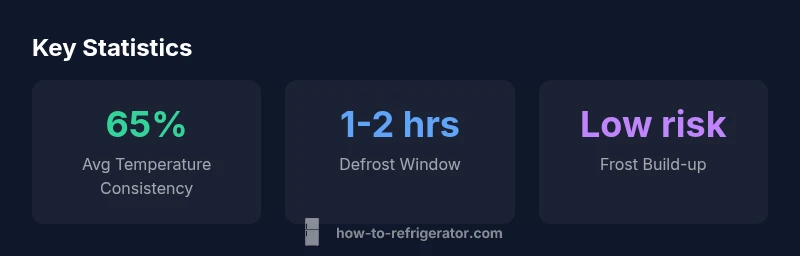
Ambient temperature around a refrigerator directly influences how reliably it maintains interior temperatures. In a warm garage, the compressor must work harder to reject heat, which can raise energy use. In very cold environments, some units may overcool or struggle to reach the desired interior temperature, particularly if the thermostat is calibrated for standard indoor use. If the garage dips below 50°F, you may encounter longer defrost cycles, frost buildup, or occasional freezing of items near the back. For readers wondering will refrigerator work in cold garage, the practical answer depends on model design and the ambient range stated in the manual. In general, very cold ambient conditions can shift cooling load toward the freezer and disrupt humidity control inside the compartments. The takeaway is to verify specs for ambient range, monitor interior temps with a thermometer, and consider placement that minimizes drafts and door openings.
How to choose the right refrigerator for a cold garage
Selecting a unit with appropriate environmental ratings is essential. Look for models labeled garage-ready, garage-approved, or ones that specify an ambient operating range including lower temperatures. Compare minimum ambient temperature specs, not just interior cooling targets. Energy efficiency ratings matter, but the critical factor in cold garages is how the unit behaves when the outside temperature falls. Features to prioritize include frost-free operation, robust door seals, thicker insulation, and an option to switch to a lower-temperature setting without overloading the compressor. If space is irregular or the garage experiences seasonal extremes, consider models with a wider operating envelope and responsive temperature controls. Budget accordingly, because upfront investment in a garage-rated fridge often pays off in reliability and reduced spoilage risk.
Installation tips to optimize operation in a cold garage
Start with placement: position the fridge away from exterior doors, vents, or direct sun, ideally along an interior wall with good insulation. Elevate the unit slightly to improve airflow underneath and reduce condensation. If ambient temperatures can drop significantly, you may want to add a small thermostat-controlled heater or an uninsulated supply line shield to keep the space within the unit’s safe operating range. Seal gaps around the floor and around the power cord to limit drafts. Practice door discipline—minimize openings and organize items so you don’t leave the door ajar for extended periods. Regular checks for frost buildup and abnormal noises can help catch cycling issues early.
Common myths about refrigerators in garages
Myth: Cold ambient temperatures are always better for a fridge. Reality: Extremely cold environments can cause erratic cycling and frost buildup, which undermines reliability and energy efficiency. Myth: Any fridge will work in a garage. Reality: Most standard residential models have a limited ambient range; garage-rated options are preferable when the space is unheated. Myth: A garage automatically doubles your storage capacity. Reality: A garage can introduce moisture, pests, and temperature swings; use appropriate containers and monitor humidity. The practical approach is to treat a garage fridge as a specialized appliance requiring careful placement and monitoring, not a generic substitute for a kitchen unit.
Maintenance and monitoring for garage fridges
Keep up with regular maintenance to preserve reliability in a garage setting. Clean coils, inspect door seals for gaps, and replace worn gaskets promptly. Use a separate thermometer inside the fridge to verify that interior temperatures stay within safe ranges, and keep a second thermometer near the garage door to monitor ambient conditions. If you anticipate long cold spells or extended absences, plan for occasional power cycling or relocation to a warmer area to reduce wear. According to How To Refrigerator, proactive monitoring and routine checks reduce spoilage risk and extend the life of your appliance.
Garage temperature considerations table
| Factor | Effect on Operation | Best Practice |
|---|---|---|
| Ambient temperature in garage | Can affect compressor cycling and efficiency; extreme cold can cause sporadic cooling | Keep within recommended ambient range or choose a garage-rated model |
| Door-opening frequency | Fluctuations destabilize interior temperatures | Limit openings and plan groceries outside peak times |
| Defrost cycle behavior | Colder ambient can alter defrost timing | Use frost-free models or monitor condensation and frost buildup |
FAQ
Will a standard refrigerator work in a very cold, unheated garage?
A standard refrigerator can operate in a very cold garage, but performance depends on the unit’s ambient rating. If the garage regularly falls below the specified minimum ambient temperature, expect irregular cooling and potential frost buildup. Consider a garage-rated model or add temperature stabilization.
A standard fridge may run in a cold garage, but it depends on its ambient rating. If the space gets too cold, use a garage-rated model or stabilize the temperature.
What features should I look for in a garage-ready refrigerator?
Look for a label that says garage-ready or an ambient operating range including lower temperatures. Frost-free operation, solid door seals, good insulation, and reliable temperature controls are important. Energy efficiency remains valuable, but environmental tolerance is key for garage use.
Seek garage-ready models with frost-free operation, strong seals, and a wide ambient temperature range.
Can using a fridge in a cold garage affect food safety?
If interior temperatures drift out of the safe range, perishable foods may spoil or freeze, compromising safety. Regular monitoring with interior thermometers helps detect drift early and prevent spoilage.
Yes, temperature drift can affect safety; monitor with a thermometer and act if temps deviate.
Is there a price range for garage-rated refrigerators?
Garage-rated units typically fall into a higher price tier than basic kitchen models due to enhanced insulation and environmental tolerance. Expect a broader price range depending on size, features, and brand.
Garage-rated fridges cost more upfront because they’re built for tougher environments.
What maintenance helps a fridge in a cold garage?
Regularly inspect seals, clean condenser coils, and verify interior temps with a thermometer. In cold garages, monitor for frost buildup and consider adding a space heater if ambient temps drop consistently.
Inspect seals, keep coils clean, and monitor temperatures; frost can indicate cycling issues.
“When used in challenging environments like a cold garage, selecting a garage-rated refrigerator and keeping ambient temperatures stable are the most reliable ways to prevent spoilage.”
Top Takeaways
- Assess ambient range before choosing a garage fridge
- Prioritize garage-rated models for cold spaces
- Monitor interior and ambient temps regularly
- Stabilize garage temperature to protect food safety
- The How To Refrigerator team recommends using garage-rated units in cold garages