Do You Need a Special Refrigerator for the Garage? A Homeowner's Guide
Learn whether your garage requires a dedicated refrigerator, which features matter most, and how to pick and install the right unit for reliable performance in variable temperatures.


Garage setups vary, so you may not need a special fridge. If your garage fluctuates between hot days and cold nights, a garage-rated model or a standard fridge with added insulation and proper placement is wise. Consider operating range, defrost type, and energy use when choosing.
Why a garage fridge isn't a one-size-fits-all appliance
In many homes, the garage doubles as a workshop or storage area, creating unique refrigeration challenges. A standard kitchen refrigerator is built for indoor conditions and relatively stable temperatures; when placed in a garage, it may struggle during hot summer days or freezing nights. According to How To Refrigerator, the main variables are ambient temperature, humidity, ventilation, and the duration of door openings. If your garage sits above or below typical indoor temperatures, you’ll want to weigh whether a standard unit with extra insulation or a purpose-built 'garage-ready' model is the better choice.
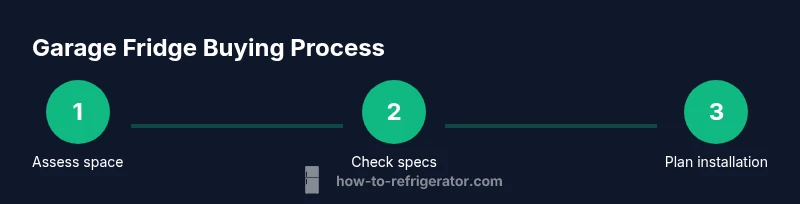
Think about what you store in the garage. If you only need to keep beverages cool for occasional gatherings, a regular fridge with a solid door seal and proper placement may suffice. If you store meat, dairy, or seasonal crowds require long-term reliability, a garage-rated refrigerator with a wider operating ambient range and rugged components can help prevent premature compressor wear. In short: assess your space, check the product spec sheets, and compare real-world operating ranges rather than relying on marketing claims. This upfront evaluation saves money and reduces frustration over time.
Key differences between standard and garage-rated refrigerators
Garage-rated refrigerators are designed to cope with outdoor-style temperature swings and higher humidity, while standard indoor models prioritize a stable indoor climate. The main differences to watch for include the operating ambient range specified by the manufacturer, insulation thickness, and the robustness of the compressor and seals. Garage-ready units often feature thicker insulation, more aggressive door seals, and components rated for wider temperature bands. Energy efficiency remains important, but the performance envelope matters more in a garage, especially if you access the unit from a workshop or driveway.
From a practical standpoint, you’ll notice that garage-rated models may be bulkier or taller to accommodate greater insulation and air circulation around the condenser. They may also offer features like adjustable defrost cycles, convection fans for even cooling, and reinforced hinges that resist temperature-induced warping. When comparing models, read the spec sheets carefully and verify that the unit explicitly states it is suitable for garage or outdoor use. This ensures you’re not just buying a cold box that struggles in extreme heat or cold.
How to evaluate garage temperature ranges and placement
To determine if a standard fridge will cut it or you should opt for garage-rated equipment, you need a simple field test. Start by placing a thermometer in the area where the fridge will sit and log temperatures for a full week to capture daily highs and lows. Note any spikes during heat waves or cold snaps. Position the appliance away from direct sunlight, heat sources (furnaces, exhausts), and air vents to minimize load on the compressor. Keep the unit off the floor if possible to prevent heat transfer from the concrete and use a level to ensure stable operation. Finally, confirm there is adequate clearance for airflow around the back and sides—restricted airflow makes the compressor work harder and wastes energy. If your ambient temps frequently exceed the fridge’s stated operating range, consider a garage-rated model with a more forgiving envelope.
Choosing features that matter in a garage setting
When shopping for a garage refrigerator, prioritize features that improve reliability in variable conditions. Look for a unit with a garage-rated or wide operating temperature range, robust door seals, and reinforced hinges. A frost-free or manual-defrost option is a personal preference; frost-free helps with maintenance, while manual defrost can be more energy-efficient in certain climates. Consider a model with adjustable thermostat control, a digital display for easier reading in dusty environments, and an interior layout that supports bulky containers common in garages (beer kegs, large beverage cartons, and bulk food storage). Additional practical features include a crisper drawer with humidity control, reliable gaskets, and a compact freezer section if you need ice or frozen goods. Finally, ensure there is a dedicated outlet (gfcI if required by code) and that the unit has a sturdy base or anti-tip design for floors that aren’t perfectly level.
Installation tips and common mistakes
Before bringing a fridge home, plan placement with practicality in mind. Pick a spot with easy access, adequate clearance for airflow, and a stable surface. Plug into a dedicated outlet and avoid shared circuits with power tools or equipment to prevent voltage drops that affect performance. Install the appliance away from direct sun and heat sources; use anti-tip straps if you’re in an area with vibration or drafty garages. Level the unit and check the door swing to ensure full closure. Do not overload the electrical circuit or run heavy cords across traffic paths—this reduces the chance of tripping wires and damaging the plug. Finally, run a quick test: close the door, listen for abnormal noises, and observe whether the interior cools steadily within a reasonable timeframe.
Maintenance and seasonal considerations
Garage environments can accelerate wear if moisture and dust accumulate. Regularly wipe seals with a damp cloth to keep them pliable and inspect for gaps that let warm air in. Clean condenser coils according to the manufacturer’s guidance to maintain airflow and cooling efficiency—garage dust can clog coils more quickly than indoor environments. If your garage experiences freezing temperatures, protect the power cord from cold-induced brittleness and ensure the unit is kept above the frost line so coils don’t freeze. In humid climates, consider a dehumidifier nearby or a cover to reduce moisture on the exterior that can corrode housing over time. Finally, set expectations: performance varies with ambient conditions, so monitor temperature readings periodically and adjust settings if you notice fluctuations.
Authoritative sources
- Energy efficiency guidelines and refrigerator standards: https://www.energy.gov/eere/buildings/articles/energy-efficient-appliances
- Refrigerator product guidance and ENERGY STAR information: https://www.energystar.gov/products/fridges_freezers
- General appliance research and standards: https://www.nist.gov/
Safety and best practices for garage fridges
Keep all electrical work to code. Use a grounded, properly rated outlet and avoid running cords under mats or rugs where they can overheat. If you’re unsure about electrical requirements, consult a licensed professional. Regular maintenance reduces the risk of refrigerant leaks or compressor failure and keeps your garage functioning as a practical storage or workspace.
Tools & Materials
- Tape measure(To confirm space clearance around the fridge (at least 2-3 inches on each side if possible).)
- Level(Stabilize the unit to prevent door misalignment and inefficient cooling.)
- Screwdriver set(For securing shelves or mounting brackets if needed.)
- Fridge thermometer(Place inside to monitor internal temperature accurately.)
- Insulation panel or weatherstripping(Optional, helps seal gaps between fridge and cabinets or walls.)
- Anti-tip straps or brackets(Useful in busy garages or spaces with vibration to prevent tipping.)
- GFCI-rated outlet(Ensure plugs are code-compliant; not a tool, but a critical safety requirement.)
Steps
Estimated time: 60-90 minutes
- 1
Assess the garage environment
Document typical temperature and humidity ranges across seasons and observe any heat sources or airflow obstacles near the planned fridge area. This baseline informs whether you need a garage-rated unit or a standard model with extra insulation.
Tip: Take photos and notes to compare models side-by-side. - 2
Review model specifications
Check the product sheets for operating ambient range, insulation thickness, door seals, and compressor robustness. Confirm the unit explicitly states garage-ready or suitable for outdoor use.
Tip: Mark models with wider ambient ranges; avoid generic labels like indoor-only. - 3
Choose placement and prepare space
Select a level, shaded location with good airflow around the back and sides. Measure clearance and remove any clutter that could block vents or impede door swing.
Tip: Keep the space off the concrete floor with a small mat to reduce cold transfer and moisture buildup. - 4
Set up electrical and safety checks
Ensure a dedicated outlet, preferably GFCI-protected, is available. Verify the outlet voltage matches the fridge’s requirements and test a simple load with a multimeter if needed.
Tip: Avoid daisy-chaining power strips; garage environments can have occasional power surges. - 5
Install and test the fridge
Place the fridge, level it, and plug in. Close the door and listen for unusual noises while watching the interior thermometer to confirm it reaches the target range within a reasonable time.
Tip: Duct dust from the garage before placing the unit; dust can affect airflow and cooling. - 6
Monitor and adjust settings
Keep a thermometer inside and check the temperature at least once daily for the first week. Adjust thermostat settings if you observe frequent temperature swings.
Tip: Document readings to track seasonal changes and fine-tune placement or airflow as needed.
FAQ
Do I need a dedicated garage refrigerator, or can I use a regular kitchen model?
If your garage experiences wide temperature swings or you store large quantities, a garage-rated model is advisable. A regular fridge can work in moderate garages if placed away from heat sources and properly insulated, but reliability may vary with climate. Always check the product specifications for garage suitability.
If your garage swings between hot and cold, a garage-rated fridge is wise. A regular fridge can work in milder garages if placed correctly, but check the specs first.
What features matter most for a garage fridge?
Key features include a garage-rated operating range, tight door seals, sturdy hinges, and good airflow. A clear thermostat display and the option for a frost-free cycle can simplify maintenance in dusty garage environments.
Look for a garage-rated range, solid seals, and reliable airflow. Frost-free helps in dusty spaces.
Can I install a standard fridge in a cold garage?
Yes, in a cold garage, a standard fridge can perform well, but you should ensure it isn’t too close to freezing temperatures or damp walls. Monitor the internal temperature and consider insulation improvements if needed.
A standard fridge can work in a cold garage, just monitor temperatures and insulate where possible.
Is energy efficiency more important in a garage setting?
Energy efficiency remains important, but reliability and ambient tolerance take precedence in a garage. Choose models with good efficiency ratings that also specify suitability for garage or outdoor use.
Energy efficiency matters, but garage reliability matters most. Pick models rated for garage use.
What maintenance does a garage fridge require?
Regularly clean seals, dust the condenser coils, and check airflow around the back. If you notice temperature swings, inspect the door hinges and adjust placement to improve venting.
Keep seals clean, coils dust-free, and airflow clear. Check hinges if temps swing.
Do I need professional help to install a garage fridge?
Most homeowners can place and plug in a standard fridge in a garage following safety guidelines. If you’re modifying electrical circuits or installing new ventilation, consult a licensed electrician or HVAC professional.
For basic placement, you can do it yourself. For electrical or ventilation changes, call a professional.
Watch Video
Top Takeaways
- Evaluate whether a garage-rated fridge is needed based on ambient conditions.
- Prioritize models with robust insulation and wide operating ranges.
- Place the fridge away from heat sources and ensure proper airflow.
- Regularly monitor temperature and perform seasonal maintenance.