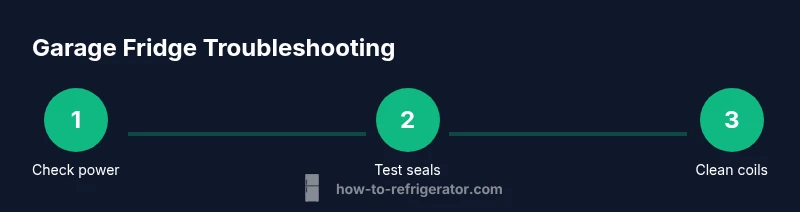
Garage Refrigerator Repair and Maintenance Guide
A step-by-step guide to diagnosing and fixing a garage refrigerator, with placement, safety, and maintenance tips for reliable cooling in unconditioned spaces.


Garage refrigerators are durable, energy-efficient appliances designed to run reliably in warmer temperatures and unconditioned spaces. Look for models with wide operating temperature ranges, robust insulation, and frost-free features. Place away from heat sources, ensure proper ventilation, and follow manufacturer guidelines for installation in non-climate-controlled garages. These models often have better condensate management and door seals designed for fluctuating ambient temperatures.
What is a garage refrigerator and why use one?
Garage refrigerators are specialized appliances designed to operate in spaces that are not climate-controlled, such as garages, workshops, or basement storage. They are built to handle wider ambient temperature swings and rougher handling than standard kitchen fridges. For homeowners who host large gatherings, stock beverages, or store overflow groceries, a garage fridge provides extra capacity without stressing your primary refrigerator. According to How To Refrigerator, garage refrigerators are designed to tolerate higher ambient temperatures and frequent door openings more robustly than standard models. The How To Refrigerator team found that these units often incorporate thicker insulation, more rugged door seals, and reliable defrost systems to prevent ice buildup during seasonal fluctuations. When selecting a garage refrigerator, prioritize reliability, performance in fluctuating temperatures, and ease of maintenance. A well-chosen model can be a practical addition to a busy household, a workshop, or a home gym where extra cold storage is valuable.
Key specs for garage-friendly models
When shopping for a garage refrigerator, focus on features that support reliable operation in non-climate-controlled spaces. Look for models with a robust insulation package, thicker door seals, and a compressor designed for variable temperatures. A frost-free defrost cycle helps minimize ice buildup during seasonal swings, while a broad operating range ensures cooling stays consistent as ambient conditions change. Energy efficiency matters, but not at the expense of cooling performance, so seek models with ENERGY STAR recognition where available. Noise level is another practical concern in a garage that adjoins living spaces or outdoor areas, so check for quiet operation and vibration-damping feet. Finally, verify that condenser coils are accessible for cleaning and that there is clear ventilation around the back or bottom to maintain airflow in warmer months.
Placement and installation considerations in the garage
Garage environments are harsher than kitchens, so choose a spot with good ventilation and away from direct sunlight, cars, and propane heaters. Place the fridge on a level surface and leave several inches of clearance for air to circulate. If possible, install on a concrete or sealed floor to limit moisture intrusion. Use a dedicated grounded outlet near the appliance and avoid extension cords. Finally, ensure there is a plan for drain management to prevent puddles near the unit during defrost cycles.
Operating range, energy use, and climate considerations
Ambient temperature in a garage affects how hard the refrigerator must work. In hot weather, the compressor runs longer, increasing energy consumption and wear. In cold periods, the unit may become sluggish if the thermostat is not designed for low ambient temperatures. Garage-friendly models compensate with thicker insulation, more efficient seals, and adaptive compressors. How To Refrigerator analysis shows that proper airflow and coil maintenance help keep energy use in check even when the garage swings between extremes. If you notice rising bills, recheck ventilation and inspect coils for dust buildup.
Common issues and quick fixes
Not cooling or freezing items is a common garage fridge problem. Start by checking the thermostat setting and door seals, which can leak cold air if worn. Dirty condenser coils reduce cooling efficiency; carefully vacuum or brush them from the back or underneath. Frost buildup on the evaporator can indicate a failed defrost cycle—check the defrost drain for clogs and watch for ice in the freezer compartment. If you hear unusual noises such as buzzing or rumbling, inspect the fan and verify that nothing is rubbing against moving parts. For persistent issues, consult the manufacturer’s service guide or schedule a professional inspection.
Maintenance routines to extend life in a garage environment
Create a simple maintenance calendar to keep your garage refrigerator performing well. Clean condenser coils every 3-6 months or as needed, using a soft brush or a vacuum attachment. Inspect door gaskets for wear and replace them if they no longer seal properly. Empty and clean the defrost drain to prevent clogs. Check the legs or rollers for level and stability, and tighten or replace as necessary. Keep the surrounding area free of dust and gasoline fumes, which can degrade seals and motors over time. A modest maintenance habit extends the life of the unit and improves cooling consistency in variable garage conditions.
Cost, energy efficiency, and buying considerations
Prices for garage refrigerators vary widely based on capacity, finishes, and features like frost-free operation and smart connectivity. In general, look for models designed specifically for garage use, with robust insulation and a broad operating range. Energy efficiency matters, but not at the expense of cold storage reliability; compare efficiency ratings and storage capacity to your needs. Read user reviews that reference performance in unconditioned spaces and seasonal temperature swings. Selecting a model with accessible coils and straightforward maintenance can reduce future repair costs and simplify servicing.
Troubleshooting checklist for quick diagnostics
Use this quick checklist to diagnose common garage fridge issues:
- Check the power supply and outlet for tripped breakers or loose connections.
- Confirm thermostat setting and verify the unit is not in a defrost cycle.
- Inspect door seals for gaps or tears and replace if needed.
- Inspect condenser coils and clean if dusty.
- Check the defrost drain for clogs and ensure proper drainage.
- Listen for unusual noises and inspect the fan.
- Observe if items stay cold consistently; if not, test temperatures with a thermometer and compare to the setpoint. If problems persist, contact a repair professional and consult the brand’s service resources.
Safety considerations when working on a garage refrigerator
Before performing any service, unplug the unit and shut off the dedicated circuit. Use insulated tools and wear eye protection when handling components. Do not attempt refrigerant work yourself and avoid smoking near the appliance where fuel is present. Ensure ample ventilation around the compressor compartment and never run cords under rugs or in damp areas. If you smell gas, leave the area immediately and contact emergency services.
Tools & Materials
- Phillips head screwdriver (#2)(To remove appliance panels)
- Flathead screwdriver(For stubborn covers)
- Digital multimeter(Test voltage and continuity)
- Non-contact voltage tester(Check live circuits safely)
- Vacuum brush or soft cloth(Dust condenser coils and vents)
- Nylon brush or old toothbrush(Clean hard-to-reach areas)
- Replacement door gasket kit(Use if seals are worn or torn)
- Level and measuring tape(Ensure unit sits level for proper door seal)
Steps
Estimated time: 60-90 minutes
- 1
Power off and inspect exterior
Unplug the garage refrigerator and inspect the power cord and plug for damage. Look for cracks, scorch marks, or bending at the outlet. Note any moisture near the base or on the electrical panel.
Tip: Never touch live wiring with bare hands; unplug first and use insulated tools. - 2
Test and replace door seals
Close the door on a piece of paper; if you can pull the paper out easily, the gasket may be worn and needs replacement. Inspect the gasket for tears, hardening, or gaps and replace as needed. A poor seal leads to energy waste and unstable temperatures.
Tip: A simple gasket test saves energy and improves cooling reliability. - 3
Clean condenser coils
Locate condenser coils (often behind the grille at the bottom or at the back). Unplug the unit, then use a soft brush or toothbrush to remove dust and debris. A clean coil improves heat rejection and lowers running current.
Tip: Be gentle around fins; avoid metal tools that can bend or damage coils. - 4
Check thermostat and settings
Set the thermostat to a mid-range setting and verify with a thermometer placed inside the fridge. Compare the internal temperature to the dial setting to ensure accuracy. If readings differ, recalibrate or replace the temperature control sensor.
Tip: Keep a thermometer inside for 24 hours to ensure stable readings. - 5
Inspect defrost drain and frost buildup
Look for frost buildup in the freezer or a clogged defrost drain. Clear the drain with warm water or a flexible, non-metallic probe. A clogged drain can cause water pooling and improper defrost cycles.
Tip: Do not use sharp objects to poke the drain; use warm water and careful suction. - 6
Run a 24-hour test
Plug the unit back in and monitor temperatures over 24 hours while keeping doors closed. Record highs and lows and ensure consistent cooling. If temps drift, re-check seals, airflow, and the thermostat.
Tip: Avoid opening doors frequently during the test to get accurate results.
FAQ
What is a garage refrigerator and why would I use one?
A garage refrigerator is designed to operate in unconditioned spaces with broader temperature ranges. It offers additional storage for beverages and food. Use in appropriate spaces and plan for ventilation.
A garage fridge is built for garages and other non-climate-controlled spaces, providing extra storage.
Can I place any fridge in a garage?
Not every fridge is garage-ready. Choose models rated for garage use to handle temperature swings and humidity. Regular fridges may struggle in extreme conditions.
Some fridges aren’t built for garages, so pick a garage-rated model.
What maintenance does a garage fridge require?
Regularly clean condenser coils, inspect door seals, check the defrost drain, and ensure the unit sits level. Routine checks prevent efficiency losses and leaks.
Keep coils clean, seals tight, and drains clear for best performance.
What causes condensation in a garage fridge?
Condensation is usually caused by high humidity and imperfect seals. Improve seals, improve ventilation, and clean the coils to reduce moisture buildup.
Humidity plus gaps in seals often causes condensation.
Is energy usage higher in a garage fridge?
Energy use can rise with higher ambient temperatures, but choosing an energy-efficient model and maintaining airflow helps keep operating costs reasonable.
Energy use goes up with heat, but ventilation helps.
What should I do if my garage fridge stops cooling?
Check power, thermostat, and seals first. If the issue persists, inspect coils and defrost components, and consider professional service.
If cooling stops, check power, thermostat, and seals first.
Watch Video
Top Takeaways
- Inspect and replace worn door seals
- Keep condenser coils clean for efficiency
- Test thermostat accuracy with an inside thermometer
- Clear defrost drains to prevent moisture issues
- Ventilate the garage area around the fridge