Why Is Refrigerator Door Hard to Open? Troubleshooting Guide
Urgent troubleshooting guide to diagnose and fix a refrigerator door that won’t open easily. Safe DIY steps, common causes, and when to call a professional.


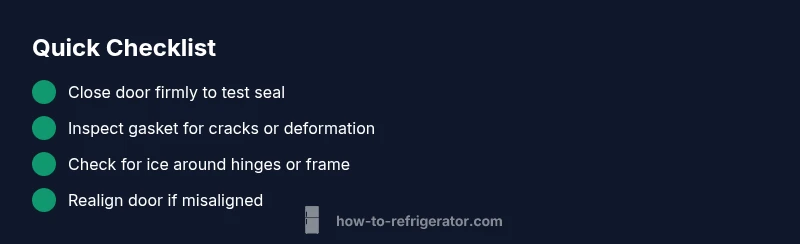
Most often, a refrigerator door is hard to open due to suction from a poor seal or a swollen gasket. Start with quick checks: close the door firmly, inspect the gasket for dirt or cracks, and verify hinges aren’t misaligned. If it still sticks, look for ice buildup or call a pro.
why is refrigerator door hard to open
A stubborn refrigerator door is more than a nuisance; it's a sign something isn't sealing or aligning correctly. According to How To Refrigerator, most cases stem from the door seal and vacuum effects. A door that doesn’t fully close can trap air, creating suction as you try to open it. Inspect the gasket for cracks, hard spots, or deformation, and wipe away grime with warm, soapy water. If the gasket looks intact, check that the door sits squarely on its hinges; a slight tilt can exaggerate suction when you pull. Temperature differences between the fridge and room can also affect door movement, especially after restocking or moving the unit. Prioritize safety by unplugging the fridge when you inspect around the hinges or defrost drain, and avoid forcing the door open. In most homes, a few minutes of careful inspection can restore smooth operation without tools. The key is to rule out suction first, then look for a misalignment or ice formation that might be preventing the door from releasing its seal. According to How To Refrigerator, a methodical approach wins over guesswork, and documenting what you find speeds up any service call.
Common causes
Suction from a damaged, dirty, or deformed gasket: A clogged seal creates a vacuum that makes the door hard to pull. Door not fully closed or misaligned hinges: If the door isn’t seating evenly, suction can occur each time you try to open it. Ice buildup around the frame or hinge: Ice can lock the door to the cabinet and resist opening. Warped door or faulty latch on French-door units: A misfit door can rub on the frame, increasing resistance. Temperature swings after moving or restocking: Rapid changes can cause materials to contract and expand, creating sticky spots. How To Refrigerator analysis shows gasket wear and misalignment are the leading causes for most households, so start by inspecting the seal and the door’s alignment before moving on to more complex fixes.
Quick checks you can do safely
Ensure the door is fully closed; listen for a distinct click indicating the latch is engaged. Inspect and clean the gasket: wipe with warm, soapy water, then dry; look for cracks or tears. Check hinges for looseness or sag: if the door tilts, adjust screws or shims according to the manufacturer. Look for ice buildup around the frame or hinge: if present, unplug and melt with a warm, damp cloth; then defrost as needed. Avoid using tools to pry the door open; this can damage the gasket and frame. If you own a frost-free unit, consider a brief defrost cycle to remove hidden ice; never force the door during defrosting. Perform the same tests after restocking or re-arranging the fridge to identify any changes in door behavior. If practical, test with the freezer door closed to see if pressure differences are consistent across compartments.
When to call a pro
If the door remains stubborn after you’ve cleaned the gasket, reseated the door, and checked hinges, it’s time for a professional diagnosis. A technician can measure door alignment, replace a worn gasket, or service the hinge hardware. Also consider service if you observe cracks in the cabinet frame, loud hinge sounds, or a persistent air leak after defrosting. Check your warranty terms first, as many manufacturers cover hinge or seal issues for a period of time. The How To Refrigerator team emphasizes safety and recommends following the diagnostic flow, documenting what you’ve tried, and escalating promptly if the door still won’t budge or if you see visible damage. A pro can perform precise alignment checks, reseal the door, and restore effortless opening without risking further damage to the cabinet.
Steps
Estimated time: 30-60 minutes
- 1
Confirm the door is fully closed
Gently push the door until you hear the latch click and feel it seat. If it doesn’t click, the door may be misaligned or the gasket is pinched. Do not slam.
Tip: Test with a paper method: place a sheet of paper at the door frame and pull; if it slides out easily, adjust. - 2
Inspect the gasket for damage
Look for cracks, tears, or deformation and clean the gasket with warm water and mild detergent. Dry thoroughly before retesting the seal.
Tip: Use a soft cloth; avoid solvents that can dry out rubber. - 3
Clean and dry the gasket
After cleaning, dry the gasket completely to restore a good seal. A damp or dirty gasket compounds suction and makes doors hard to open.
Tip: Pay special attention to the corners where debris often collects. - 4
Check hinges and alignment
Inspect hinge screws for looseness; tighten if needed and verify the door sits squarely. Misalignment can create friction that feels like suction.
Tip: Only snugly tighten—avoid overtightening that could crack the hinge. - 5
Look for ice around the frame or defrost drain
If you see ice, unplug the unit and defrost the area, then wipe away all moisture before test-opening again.
Tip: Never use sharp objects to break ice; gentle warmth and patience work best. - 6
Test operation after adjustments
Close and reopen the door several times to confirm smooth movement. If the door sticks again, repeat alignment checks or proceed to defrost if needed.
Tip: Document what you did and what change you notice for future reference. - 7
Know when to call a professional
If the door remains stubborn after all checks or you notice cracks in the cabinet, call a technician. Warranty considerations are important here.
Tip: Keep your model and service history handy for faster diagnosis.
Diagnosis: Door is hard to open despite close latch
Possible Causes
- highSuction from a damaged or dirty gasket
- highDoor not fully closed or misaligned hinges
- mediumIce buildup around frame or hinge
- lowWarped door or latch issue on French-door units
Fixes
- easyClose door firmly and reseat gasket; clean gasket and ensure no damage
- mediumRealign door by tightening or adjusting hinge screws; ensure door sits squarely
- easyDefrost and remove ice around the door frame; test after defrost
FAQ
Why is my refrigerator door hard to open after cleaning the gasket?
Gasket condition is critical even after cleaning; cracks or compression can still cause suction. Inspect for wear and replace if needed, as a fresh seal often resolves the sticking. If the door remains stiff, proceed to check hinges and ice buildup.
Gasket wear or compression can still cause suction after cleaning. Check hinges and ice buildup if the door stays stiff.
Can ice buildup around the door cause it to stick?
Yes. Ice around the frame or hinge can lock the door in place. Defrost the area, wipe away meltwater, and re-test the door. If ice recurs often, there may be a defrost system issue.
Ice around the door frame can lock it. Defrost and retest; recurring ice may indicate a system problem.
Is hinge misalignment a common cause of a hard-to-open door?
Hinges that are loose or misaligned can tilt the door and create friction or suction. Tighten or adjust the hinges per the manufacturer’s instructions and re-check the seal.
Loose or misaligned hinges can tilt the door and cause sticking. Tighten and realign as needed.
When should I call a professional for a sticking refrigerator door?
If you see visible cracks, persistent suction after gasket cleaning, or obvious alignment issues that you can’t fix, contact a technician. Warranty coverage may apply to seals or hinges.
Call a professional if the door remains stubborn after DIY steps or if you notice damage. Check your warranty.
Can temperature changes cause the door to stick?
Yes, rapid temperature shifts can cause materials to expand or contract, increasing resistance at the seal. Allow the unit to acclimate after restocking and check the seal again.
Temperature shifts can make the door stick due to material expansion. Let the unit settle and recheck.
Is it safe to unplug the fridge to fix a sticking door?
Unplugging is safe for inspections around coils or the defrost drain. Always unplug first and discharge any built-up ice with care. Replug after you finish the checks.
Unplug the fridge for safety before inspecting near coils or the defrost drain.
Watch Video
Top Takeaways
- Inspect the gasket first and fix as needed
- Clean seals regularly to prevent sticking
- Avoid forcing the door open to prevent damage
- Call a professional if alignment or ice persists