Whirlpool Refrigerator Repairs Near Me: A Homeowner's Guide
Learn how to diagnose and coordinate Whirlpool refrigerator repairs near you with confidence. This step-by-step guide covers common problems, DIY safety, how to find reputable local pros, and maintenance to prevent future breakdowns.


By following this guide, you’ll understand how to address Whirlpool refrigerator repairs near me with confidence. You’ll diagnose common symptoms, locate reputable local technicians, and decide when DIY is safe versus when a pro is required. Prepare a basic toolkit, a service manual, and a quiet workspace, then take practical steps to restore cooling and preserve your fridge’s life.
Why Whirlpool Refrigerator Repairs Near Me Matter
According to How To Refrigerator, homeowners who tackle obvious issues promptly save time and may prevent more expensive failures later. When your Whirlpool refrigerator isn’t cooling, leaking water, or producing unusual noises, acting locally can minimize downtime and preserve perishable foods. The goal of this guide is to empower you to assess symptoms, perform safe, basic checks, and then decide whether a DIY fix or a trusted nearby technician is the best path. Local repair options often offer faster service windows, access to manufacturer-approved parts, and a higher likelihood of warranty support if the repair is performed by qualified professionals. For many households, finding reliable Whirlpool repair near me means balancing cost, timing, and the complexity of the problem, while keeping safety a top priority. Be prepared with the model number, a clear description of symptoms, and all safety precautions before you begin.
The How To Refrigerator team emphasizes that a measured, informed approach reduces the risk of worsening the problem. In this guide you’ll learn how to identify symptoms such as loss of cooling, frost buildup, or water pooling, and how to approach the repair process with practical steps and local resources. This is not just about fixing a fridge; it’s about preserving food safety and extending appliance life.
Common Whirlpool Refrigerator Problems
Whirlpool refrigerators share several recurring issues that homeowners can recognize early. Not cooling adequately or at all is the most frustrating problem, often caused by a dirty condenser coil, a faulty thermostat, or a blocked airflow path. Leaking water can stem from a clogged defrost drain or a mis-seated water line. Frost buildup and ice maker malfunctions point to door seals, defective defrost components, or issues with temperature sensors. Unusual noises such as buzzing or humming may indicate fan problems, compressor stress, or loose panels. Regular maintenance and timely diagnosis are essential to keep a Whirlpool fridge performing reliably. If you observe persistent symptoms, start with a basic diagnostic checklist, then consider professional help for refrigerant-related work or complex electronics.
Understanding these common problems helps you communicate clearly with local technicians and prioritize fixes that restore cooling efficiently. Remember: some issues look simple but involve sealed refrigerant systems that require licensed professionals. Always follow safety guidelines and consult your model’s manual for model-specific troubleshooting steps.
Diagnosing Before You Call a Technician
Before you call anyone, perform a light, safety-forward diagnostic to determine whether the issue is likely a quick fix or a more involved repair. Start by checking that the unit is plugged in and that the outlet is functioning. Verify the door seals are clean and making a tight seal—poor seals can cause warm air leaks that ruin cooling. Inspect the condenser coils (usually on the back or underneath) for dust and debris; a clean coil improves airflow and cooling efficiency. Use a thermometer to verify interior temperatures; setpoints should generally be around 37–40°F (3–4°C) for fresh food and 0°F (-18°C) for the freezer. If these basic checks don’t resolve the symptom, document the issue and prepare a concise description for a repair tech. Avoid disassembling sealed systems or handling refrigerant without proper certification.
Next, examine the defrost drain for clogs, and ensure the ice maker connection is secure if your model includes one. If you notice water pooling near the base or unusual ice texture, these hint at drainage or ice-maker issues that can often be resolved with guidance from the manual or a pro. Keeping a log of when the symptoms occur, along with model information, helps your local technician diagnose more quickly.
How to Find Reputable Local Repair Technicians
Locating a trustworthy Whirlpool repair near me starts with credentials and reputation. Look for technicians who are factory-authorized or recommended by Whirlpool for your specific model, as they often have access to the latest diagnostic tools and parts. Verify licensure where required in your area and ask about warranty coverage on both parts and labor. Read recent customer reviews and request references if needed; online platforms and local consumer groups can provide insight into responsiveness and workmanship quality. Request a written estimate that itemizes diagnostic fees, labor, and suspected parts, and confirm whether a trip charge applies if a visit is scheduled. Inquire about the availability of manufacturer-approved parts and whether the technician can handle ice maker and defrost system components. A clear communication channel and transparent pricing are signs of a dependable local service partner.
If you’re considering a broader search, also compare multiple quotes, but prioritize those who offer a diagnostic report after inspection—even a basic report demonstrates professional rigor and helps you compare options fairly.
What to Expect From a Whirlpool Refrigerator Repair Visit
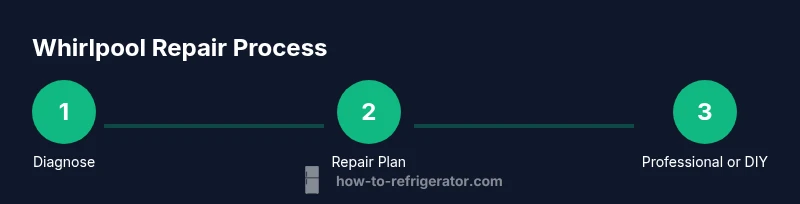
During an in-person repair visit, a technician typically verifies the issue, tests components, and confirms whether the root cause is electrical, mechanical, or refrigerant-related. Expect a diagnostic assessment, a recommended repair plan, and a cost estimate prior to any parts replacement. For many Whirlpool refrigerators, common repairs include replacing the start relay, defrost timer, defrost heater, or faulty door seals. If the problem involves refrigerant, only a licensed technician should perform this work, as it requires specialized equipment and compliance with environmental regulations. The technician should provide a warranty on parts and a labor guarantee for the repair. If a part isn’t available immediately, ask about a temporary workaround and a follow-up visit to complete the repair.
To ensure you’re prepared, share your model number, a concise symptom description, and any recent changes or noises. Clear communication helps expedite the process and reduces the need for multiple follow-up visits. After the repair, confirm proper cooling with temperature checks and monitor performance over the next few days.
DIY vs. Professional Repair: When to DIY
DIY repairs on a Whirlpool refrigerator can be appropriate for simple, non-sealed-system tasks—like cleaning coils, replacing door gaskets, or tightening loose panels. However, there are limits. Any work involving sealed refrigerant circuits, electrical board replacements, or compressor components should be left to licensed technicians due to safety, environmental, and warranty considerations. If you decide to tackle a DIY fix, ensure you follow the manual precisely, disconnect power before handling any components, and avoid disassembly beyond your comfort level. Document all steps and parts used in case you need service later. When in doubt, a quick consultation with a certified technician can prevent accidental damage and help you determine whether a repair is cost-effective compared with replacement.
In short, weigh the risk, cost, and time commitment. For many homeowners, a professional diagnosis is worth it for complex issues, while simple maintenance tasks can be safely performed at home.
Maintenance to Prevent Future Breakdowns
Preventive maintenance is the best defense against recurring Whirlpool fridge issues. Regularly vacuum or brush condenser coils to maintain airflow, ideally every 6–12 months depending on usage. Clean door gaskets with mild soap and water to preserve a tight seal, and check for uneven leveling that causes door misalignment and cooling inefficiency. Keep the interior clean and organized to improve airflow around vents. If your model includes an ice maker, inspect the water line for kinks or leaks and replace damaged tubing. Change water filters as recommended by Whirlpool and in line with your model’s water filtration specifications. Maintain a stable ambient temperature and avoid placing hot foods directly into the fridge. A simple maintenance routine extends the life of your compressor and helps you avoid preventable repairs.
Finally, document all routine maintenance and keep a repair log. This record becomes helpful when you sell the home or when you need service down the line, ensuring continuity and clarity for future technicians.
Safety Considerations When Working on Refrigerators
Safety first: unplug the appliance before any inspection or repair. Avoid working behind the unit when it’s connected to power, and never touch electrical components with wet hands. If you need to tilt the fridge, do so carefully to prevent injury or liquid spills. Never attempt to repair sealed refrigerant lines or handle refrigerants without proper certification and equipment. Use insulated tools and wear gloves to protect against sharp edges. When handling ice-maker components or water lines, shut off the water supply first and be prepared for possible water discharge. If you smell refrigerant, hear hissing, or notice frostbite-like cold in unexpected places, exit the area and seek professional help immediately. These precautions protect you, your family, and your home.
Next Steps and Keeping Your Fridge Healthy
With a clear view of common Whirlpool fridge issues and a plan for local repair, you’re ready to take informed next steps. Start by gathering your model number, symptom details, and any relevant photos or videos of the issue. Contact several reputable technicians to compare quotes and service terms. If a repair seems unlikely to deliver a reasonable lifespan or if the estimate includes unfamiliar parts, consider the cost-benefit of replacement versus repair with a pro’s assessment. Finally, implement a proactive maintenance routine to keep your refrigerator in good shape: schedule coil cleanings, check door seals, monitor temperatures, and replace filters on schedule. A well-maintained Whirlpool fridge reduces service calls and keeps food safe for your family.
How to Tie It All Together
When navigating whirlpool refrigerator repairs near me, combine practical DIY checks with smart professional engagement. Use the diagnostic steps and a reputable local technician to confirm the root cause. With proper maintenance and timely service, you can extend your appliance’s life and minimize downtime. Remember that safety and quality workmanship are paramount. By following this guide, you’ll feel confident in solving problems, coordinating repairs, and keeping your Whirlpool refrigerator running smoothly for years to come.
Tools & Materials
- Digital multimeter(Check compressor current draw and door switch circuits as needed)
- Phillips head screwdriver set(For back-panel screws and fan guards)
- Flathead screwdriver(Prying panels without damaging plastic components)
- Nut driver set(Appliance-specific fasteners and brackets)
- Needle-nose pliers(Safe for small connectors and clamps)
- Work gloves(Protection from sharp edges and cold surfaces)
- Flashlight or headlamp(Improve visibility inside back panels and shelves)
- Soft towels or rags(Contain spills and protect surfaces)
- Owner’s manual or model diagram(Identify parts and safe disassembly steps)
Steps
Estimated time: 60-90 minutes
- 1
Disconnect power and verify safety
Unplug the fridge and switch off the circuit breaker if accessible. Clear the area around the back and sides, remove any items from the top, and confirm the interior has cooled so you can work safely. This prevents electric shock and avoids damage to sensitive components.
Tip: Wait a few minutes after unplugging to discharge capacitors and reduce stored energy. - 2
Open access and inspect coils and airflow
Carefully remove rear access cover or toe-kick panel to reach condenser coils. Use the flashlight to check for dust and debris. Vacuum or brush dust away gently, ensuring you don’t bend fins. Proper airflow is essential for effective cooling.
Tip: Use a soft brush and avoid metal tools that can bend coils. - 3
Check door seals and interior temperature
Examine gaskets for cracks or gaps where warm air enters. Clean seals with mild soap and water and re-seat doors to ensure a tight seal. Place a thermometer inside to verify baseline temperatures; typical fresh-food temps are around 37–40°F (3–4°C).
Tip: If the door doesn’t seal well after cleaning, consider replacing the gasket. - 4
Inspect defrost drain and ice maker connections
Look for a clogged defrost drain or blocked ice-maker tubing. Clear with warm water or a thin, soft wire if necessary. For ice-makers, ensure the water line is secure and free of kinks or leaks.
Tip: Never force a foreign object down the defrost drain; use a drain-cleaning method recommended by the user manual. - 5
Test electrical components and sensors
With the unit unplugged, test accessible components with a multimeter as described in the manual. Check thermostats and start devices if applicable. Reconnect power and observe if the compressor starts correctly and runs smoothly.
Tip: Document readings and compare them to the manufacturer’s specifications in your manual. - 6
Decide on DIY vs. professional next steps
If symptoms persist after basic checks, determine whether replacement parts are affordable and within your skill level. Complex refrigerant work or high-voltage electronics should be handled by a licensed technician. Schedule a service call if the diagnostic indicates a fault beyond routine maintenance.
Tip: Have a short list of suspected parts to discuss with the technician to speed the diagnosis.
FAQ
What are the most common Whirlpool refrigerator problems homeowners encounter?
Most common problems include inadequate cooling, water leaks, ice maker malfunctions, frost buildup, and unusual noises. Start with basic checks like door seals, coils, and temperature settings before pursuing professional diagnostics.
Common Whirlpool fridge problems include not cooling, leaks, ice maker issues, frost buildup, and odd noises. Start with door seals, coils, and thermostat checks before calling a pro.
Is it worth repairing a Whirlpool refrigerator, or should I replace it?
The decision depends on the age of the unit, the cost of parts and labor, and the likelihood of recurring failures. Get a professional diagnostic to compare the repair estimate with the cost of a new model and consider energy efficiency benefits.
Decide by weighing age, repair cost, and the likelihood of future failures. A pro diagnostic helps you compare repair versus replacement.
Do I need professional refrigerant service for most Whirlpool issues?
Only licensed technicians should handle refrigerant. If the issue appears refrigerant-related, schedule a pro; attempting to recovery or recharge refrigerant yourself can be dangerous and illegal in some areas.
Only a licensed technician should handle refrigerant. If it seems refrigerant-related, call a pro.
How long does a typical Whirlpool repair visit take?
Visit times vary by issue, parts availability, and service area. A diagnostic visit can be quick, while parts replacement and testing may require a follow-up appointment.
Timing varies, but diagnostic visits are usually quick; parts replacement may need a follow-up.
Are there warranties on Whirlpool repairs?
Reputable technicians commonly offer parts and labor warranties for repairs. Verify warranty terms before authorizing work and request written guarantees.
Yes, many repairs come with parts and labor warranties; get written terms before work starts.
What should I ask a local repair technician before hiring?
Ask about licensing, experience with Whirlpool models, warranty terms, parts sourcing, and expected timeline. Request a written estimate and clarify if an on-site diagnosis is included.
Ask about licenses, Whirlpool model experience, warranties, part sourcing, and timelines. Get a written estimate.
Watch Video
Top Takeaways
- Identify symptoms early and document them clearly
- Differentiate DIY-friendly tasks from professional work
- Prioritize safety and use the model manual for guidance
- Choose reputable local technicians with clear warranties
- Maintain routine care to prolong fridge life