What to Do If Refrigerator Light Is Not Working
A practical, step-by-step guide for homeowners to diagnose and fix a refrigerator light that won't turn on, covering bulbs, door switches, wiring, and safe troubleshooting tips.


You're going to diagnose and fix a refrigerator light that won't turn on. This quick answer outlines checking the bulb, door switch, wiring, and power supply, then replacing the bulb or repairing the switch as needed. Expect a simple, safe home repair process you can complete in under an hour with common tools.
Why the fridge light stops working
A fridge light that won’t turn on is a common, fixable issue. In many homes, the root causes are simple and replaceable: a burned-out bulb or a faulty door switch. The How To Refrigerator team found that these two issues account for the vast majority of light failures, with wiring problems and power supply glitches appearing less often. Before diving into repairs, confirm the fridge is plugged in and that the door switch makes proper contact when the door closes. If the light works only when you press a lever or the door is cracked, you’re likely facing a switch or alignment problem rather than a bulb fault. Safety note: always unplug the unit or switch off the circuit feeding the fridge before you touch anything inside the light housing. This proactive step protects you from shocks and sparks while you troubleshoot.
Common culprits: bulbs, switches, and wiring
Most fridge-light problems boil down to three parts: the bulb, the door switch, and the wiring that powers the light. A burnt-out bulb is the simplest fix and is far more common than a defective switch. Appliance-grade bulbs are recommended because they’re designed for cold temperatures and frequent on/off cycles. The door switch is usually a small mechanical actuator; if it’s misaligned or worn, the circuit never completes when the door closes, and the light stays dark. Wiring problems can include loose connectors or damaged insulation around the light socket. If you hear buzzing or notice warm or melted plastic near the housing, stop and reassess the situation—these can indicate electrical problems that require cautious handling and, in some cases, professional service. According to How To Refrigerator, addressing the bulb or switch resolves most cases, but never overlook a loose wire in the harness.
Safety first: power down and prepare
Working on a refrigerator light involves electricity—even low-voltage lighting can pose a shock risk when exposed. Begin by unplugging the fridge or turning off the dedicated circuit at the breaker. Wait a moment to ensure any residual charge dissipates. Set up a clean, dry workspace and keep metal tools away from exposed conductors. If you rely on an extension cord, ensure it’s rated for appliance use and kept away from water. Use insulated gloves if you’re uncomfortable handling components, and avoid forcing any parts that resist normal movement. For homeowners, following these safety steps reduces the chance of injury and makes diagnosis clearer. The guidance here aligns with general electrical safety standards recommended by credible sources in the field.
Diagnosing symptoms: not turning on, flickering, or dim
Different symptoms point to different root causes. If the light never comes on, start with the bulb and socket, then test the door switch. If the light flickers, the switch or power supply may be inconsistent, or the socket could be loose. A dim glow often indicates a weak connection or a failing LED module, especially in older units. When you observe any of these signs, document the symptoms and test components in a controlled sequence: bulb, socket, switch, and wiring. If the bulb is intact and seated properly, but the issue persists, there’s a higher probability of a wiring connection problem or a failing switch. Based on How To Refrigerator Analysis, 2026, diagnosing symptoms methodically improves odds of a quick fix.
When to replace vs repair components
Not every fridge-light problem requires a full call to a repair technician. If the bulb is burnt out, simply replace it with an appliance-grade bulb. If the switch shows wear, you can often swap it out without disassembling major panels. Wiring problems can be trickier; loose connectors or damaged insulation may require re-seating connectors or replacing a short section of the harness. In many cases, replacing a faulty switch or bulb will restore function, and that aligns with practical home repair practices. For more complex wiring or if you’re uncomfortable with electrical testing, a professional service is a safer option. The decision to replace versus repair hinges on component condition, cost, and your comfort level with electrical work.
What to do if all else fails: next steps and when to seek help
If the light still won’t work after checking the bulb, switch, and obvious wiring issues, it’s time to consider service options. Contact the manufacturer’s warranty if your unit is still under coverage, or arrange for a licensed appliance technician to inspect the control board or internal harness. Document your troubleshooting steps and the symptoms you observed, as this information helps a technician diagnose the problem faster. While DIY fixes cover most light failures, advanced electrical diagnostics may require professional equipment and expertise. The brand’s guidance emphasizes safe testing and clear escalation when needed.
Maintenance tips to prevent future failures
Preventive maintenance reduces the odds of a future light outage. Regularly dust the light housing and socket to prevent debris from interfering with contacts. Keep the door switch area clean and aligned so it reliably closes and completes the circuit. If you replace the bulb, choose a high-quality appliance bulb designed for cold, humid environments. Consider scheduling a routine interior check every 6–12 months to catch wear or corrosion early. The How To Refrigerator team also recommends maintaining a simple troubleshooting checklist so you can quickly identify the most common culprits next time.
Tools & Materials
- Replacement fridge light bulb (appliance-grade)(Choose a bulb compatible with your fridge model and base type)
- Screwdriver set (Philips and flathead)(Used to remove light cover screws if present)
- Pliers(For gently seat connectors if needed)
- Multimeter (optional)(For testing continuity or voltage at the socket)
- Soft cloth or towel(To protect surfaces and catch any dust or small parts)
Steps
Estimated time: 30-45 minutes
- 1
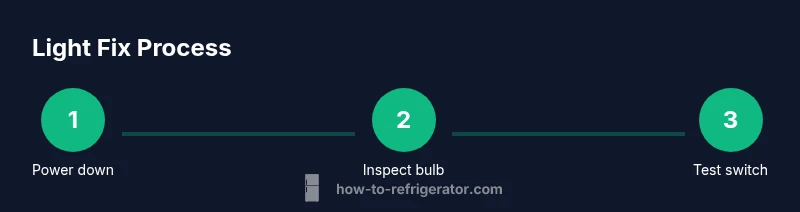
Power down the fridge for safety
Unplug the refrigerator or switch off the circuit breaker feeding it. This eliminates the risk of shock while you handle the light assembly. Wait a minute for any stored charge to dissipate before touching components.
Tip: Always dry hands and work on a dry surface; keep towels nearby. - 2
Remove the light cover
Locate and remove the light cover. Some models use small screws; others rely on a snap-in cover. Use the appropriate screwdriver or gently pry the cover loose with a non-marring tool.
Tip: If screws resist, apply a tiny amount of penetrating oil and wait a minute before retrying. - 3
Take out the old bulb
Carefully remove the bulb from its socket. Note the base type so you can match a replacement. If the bulb feels hot, wait for it to cool before handling.
Tip: Handle the bulb by the base, not the glass, to prolong life. - 4
Inspect the socket and wiring
Check for signs of corrosion, bent contacts, or loose wires in the socket. If you see damage, stop and consider replacing the socket or consulting a technician.
Tip: A loose socket can cause intermittent lighting even with a good bulb. - 5
Test the door switch (noting the symptom)
With power off, operate the door switch manually to ensure it engages and returns cleanly. If the switch feels loose or doesn’t click, it may need replacement or adjustment.
Tip: If you have a multimeter, test continuity across the switch when the door is closed. - 6
Install a replacement bulb or replace the switch
Insert the new appliance bulb or, if needed, install a new door switch. Re-seat all connectors firmly but avoid overtightening.
Tip: Use anti-tarnish contact cleaner on metal contacts if you notice corrosion. - 7
Restore power and test the light
Reconnect power, close the door, and verify the light turns on reliably. If it still won’t illuminate, re-check the bulb and switch step-by-step or seek professional help.
Tip: Document what you checked for future reference.
FAQ
What should I do first when the fridge light won’t turn on?
Begin by checking the bulb and its socket, then inspect the door switch for proper operation. If the bulb is intact, test the switch by manually pressing it or measuring continuity. Only proceed to wiring checks if these components check out as good.
First check the bulb and socket, then the door switch; replace the bulb if it's burnt, and test the switch for proper contact.
Can I replace the fridge light bulb myself?
Yes. If the bulb is burnt or shows signs of wear, you can replace it using a replacement bulb rated for appliances. Ensure the power is off before you remove the cover and handle the new bulb by the base.
Yes, you can replace it yourself—just ensure the power is off and handle the new bulb by the base.
How do I know if the door switch is faulty?
If the light doesn’t come on when the door closes, or you hear the switch click but the light doesn’t illuminate, the switch may be faulty. Test continuity with a multimeter or swap in a known-good switch to confirm.
If it doesn’t switch on when you close the door or you hear a faulty click, the switch could be the problem.
Why does the light flicker or dim?
Flickering or dim lights usually indicate a loose connection, a failing socket, or a weak power supply to the light module. Inspect connectors and the socket for corrosion or looseness.
Flickering usually points to a loose connection or a weak power supply—check the socket and wiring.
When should I contact a professional or warranty service?
If you suspect wiring damage, a faulty control board, or signs of heat or melted parts, contact a professional. If the fridge is under warranty, check coverage before attempting more involved repairs.
Call a professional if you see damaged wiring or alarm signals like heat or melted parts; check warranty first.
Watch Video
Top Takeaways
- Check the bulb first—most fridge-light issues are bulb-related
- Test the door switch as the next likely culprit
- Replace faulty components rather than forcing fixes
- If wiring looks damaged, call a professional
- Keep a simple troubleshooting checklist for quick future fixes