Walk-In Refrigerator: Troubleshooting & Maintenance Guide
Learn how to troubleshoot, maintain, and safely operate a walk-in refrigerator. This expert guide covers temperature control, door seals, defrost drains, airflow, and safety for homeowners.


This guide helps homeowners troubleshoot, maintain, and safely operate a walk-in refrigerator. You’ll verify temperatures, check door seals, inspect condensate drains, and ensure proper airflow. The steps emphasize safe electrical practices, routine cleaning, and energy-saving adjustments to prevent spoilage, reduce wear, and avoid costly repairs. This quick overview sets the stage for hands-on steps, safety basics, and practical maintenance routines.
What is a walk-in refrigerator?
A walk-in refrigerator is a sealed, insulated chamber designed to hold perishable foods at safe temperatures while allowing a person to enter and move inside to access stock. Unlike standard domestic fridges, walk-ins are sized to require professional installation and are commonly used in restaurants, catering operations, and some large residential kitchens or basements with dedicated climate control. The term covers a range of configurations, from small, stand-alone units to larger walk-ins integrated into building walls. For homeowners, understanding the basics helps with planning, installation, and ongoing maintenance. In practice, a walk-in refrigerator should maintain consistent temperatures around 34-40°F (1-4°C) depending on stored items, with dry, controlled humidity to slow spoilage. Regular checks on door seals, gaskets, and air flow help prevent cold air leaks that waste energy and degrade performance. The How To Refrigerator team emphasizes that proper sizing, placement, and seal integrity are essential for long-term reliability.
Typical configurations and sizing
Walk-in refrigerators come in several footprints and access styles to fit different spaces and budgets. The most common layouts are straight-through rooms with a single door, L-shaped configurations for corner installations, and alcove enclosures within a kitchen or garage wall. Sizing is driven by daily throughput, peak stocking levels, and the types of products stored. For homes, you’ll often see compact walk-ins in basement storage rooms, while larger households or hobbyists may opt for mid-sized units with 6-12 linear feet of shelving. Key sizing factors include door height and width, interior clearance for movement, and adequate floor load capacity. In all cases, ensure proper ventilation around the unit and plan for adequate clearance for door openings and service panels. The goal is to balance accessible storage with energy efficiency and reliable temperature control.
Key components and how they work
A walk-in refrigerator’s core parts include the compressor, condenser coils, evaporator coils, defrost system, thermostat, door seals, and the interior insulation. The compressor compresses refrigerant, pushing it through the system where it releases heat at the condenser coils. The evaporator absorbs heat from the cabinet, cooling the air inside. A defrost circuit prevents frost buildup on evaporator coils, maintaining airflow. The thermostat or electronic controller maintains setting temperatures by adjusting compressor run time. Door gaskets and weatherstripping minimize air leaks, while interior shelves and air ducts ensure even cooling. Proper airflow is essential; blocked vents or overpacked aisles can create warm pockets that raise energy use. In a home setting, you may see humidity control devices to limit condensation. Understanding how each part contributes helps with targeted troubleshooting and effective maintenance, rather than replacing components prematurely. How To Refrigerator recommends documenting the model and service history to guide future repairs.
Temperature control and defrost basics
Temperature control on a walk-in refrigerator relies on a setpoint that the controller strives to maintain. Most units are designed to operate around 34-40°F (1-4°C) for perishable food, but the exact range depends on stored items and local health guidelines. If temperatures drift, first check the thermostat calibration and sensor placement. Ensure the door closes firmly and seals are intact; air leaks trick the control into running longer than needed. The defrost system prevents frost from obstructing airflow. A failed defrost cycle leads to icy coils and rising cabinet temperatures. If you notice frost buildup, inspect the defrost timer, heater element, and defrost drain. Clearing the condensate line prevents water pooling that can freeze and impact airflow. Regular checks of fans and vents help maintain even temperatures across shelves. When you calibrate a controller, perform a staged test with warmed and cooled samples to confirm the setpoint accuracy.
Temperature safety and food safety basics
Safe temperatures are essential for preventing spoilage and foodborne illness. Keep perishables at or below 40°F (4°C) and verify with calibrated thermometers. Avoid placing warm items directly in the cabinet as they raise the interior temperature and force the system to work harder. Track temperature trends over a shift or day to catch thermostat drift. For long-term reliability, avoid overloading shelves or blocking vents, which can create warm pockets. Regular maintenance of door seals reduces cold air leaks that cause condensation and mold growth near door frames. If the door is left ajar or the seal is compromised, implement a quick corrective action: adjust latches, replace weatherstripping, or seal gaps with approved materials. Remember to clean shelves and interior to prevent cross-contamination when restocking. For households, plan with a cooling capacity margin to accommodate peak usage and avoid temperature spikes.
Common problems and quick fixes
Door seals worn or misaligned: replace weatherstripping or adjust hinges. Condenser coils dirty: clean with a coil brush or vacuum to improve heat rejection. Thermostat drift: recalibrate or replace. Poor airflow: rearrange shelves to avoid blocking ducts. Defrost drain clogged: flush with a safe cleaner or warm water. Ice buildup on evaporator: check defrost cycle and moisture control. Leaking refrigerant: this requires a pro; do not attempt to repair. Noise: a humming or buzzing might indicate a motor issue or fan obstruction. If temperature is rising and you cannot locate a cause, consult the model’s service manual for troubleshooting flowcharts. The goal is to identify simple, reversible issues before escalating to professional service.
Step-by-step troubleshooting workflow
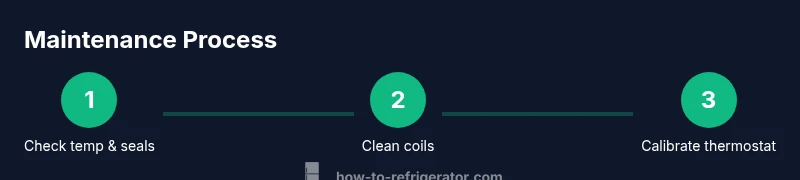
Start with a quick diagnostic checklist. First, confirm the cabinet temperature using a calibrated thermometer. Next, inspect doors for accurate seals and proper door alignment. Then check the condenser coils for dirt build-up. If temperatures are too high, inspect airflow paths; finally test the defrost system. Document readings and actions for future reference. For safety, disconnect power before opening panels and wear PPE.
Maintenance schedule and seasonal care
Create a simple maintenance calendar that fits your usage. Daily checks should include door seals and obvious spills. Weekly tasks include interior cleaning and wiping down shelves. Monthly, inspect fans, gaskets, and vents for obstructions. Quarterly, clean condenser coils and inspect the electrical cord and plug for wear. Biannually, verify calibration of the thermostat and test the defrost system. Annually, arrange a professional service to inspect refrigerant levels and overall insulation integrity. Keeping a maintenance log helps you spot gradual performance declines and plan replacements before failures occur.
Energy efficiency tips and upgrades
Maximize efficiency by sealing gaps around doors with weatherstripping, improving cabinet insulation, and ensuring unobstructed airflow. Replace aging fans with energy-efficient models and use LED lighting to reduce heat load. Consider adding door alarms or timers to minimize open-door periods and protect against temperature spikes. If you’re upgrading, compare units with ENERGY STAR certification for comparable capacities and better long-term savings. A well-tuned system often pays back its upfront costs through lower energy bills and more stable temperatures.
Safety considerations when working with walk-in refrigerators
Always turn off power and lockout electrical circuits before opening service panels. Wear PPE, including gloves and eye protection, when handling sharp components or cleaning chemicals. Avoid standing water near electrical components and ensure good ventilation in enclosed spaces to prevent fumes from enclosures. Be mindful of heavy doors and the risk of traps or pinching. If you suspect refrigerant leaks or damaged structural components, call a licensed professional rather than attempting repairs yourself.
Common myths and misconceptions
Myth: Bigger is always better. Reality: Proper sizing and insulation matter more for efficiency and reliability. Myth: Walk-ins don’t require maintenance. Reality: Regular inspection prevents spoilage and costly repairs. Myth: Any door seal can do the job. Reality: Proper door geometry and gasket material are essential for a tight seal and energy savings. Addressing these myths helps homeowners set realistic expectations and invest in targeted upkeep.
Getting help and when to call a pro
For refrigerant handling, compressor failures, or structural leaks, contact a licensed refrigeration technician. If you notice persistent temperature drift after basic checks, or you hear unusual noises not explained by normal operation, professional diagnostic service is advised. Maintain records of model numbers, service history, and any replacement parts to speed up future repairs and guarantee compatibility with your unit.
Tools & Materials
- Digital thermometer or infrared thermometer(for measuring cabinet and coil temperatures)
- Screwdrivers set(flathead and Phillips, for panels and fasteners)
- Multimeter(to check electrical supply and thermostat wiring)
- Vacuum cleaner or coil brush(for condenser coils and vents)
- Gloves and safety glasses(personal protective equipment)
- Soft cloths and non-abrasive cleaner(interior cleaning and wipe-downs)
- Foam weatherstripping or door seal kit(for door seal replacement)
- Non-contact thermometer (optional)(quick temp checks)
- Flashlight or headlamp(visibility inside panels)
- Safety rope or fall protection (if elevated)(when accessing high shelves or elevated platforms)
Steps
Estimated time: 60-90 minutes
- 1
Power down and verify safety
Disconnect the unit from power and verify no live energy is present before opening any panels. This prevents electric shock and gives you a safe workspace for inspection.
Tip: Use lockout/tagout if available and wear PPE. - 2
Inspect door seals and alignment
Check gaskets for tears and ensure the door closes fully with a tight seal. Misaligned doors create warm pockets and waste energy.
Tip: Gently press along the gasket while closing the door to feel for air leaks. - 3
Clean condenser coils and vents
Remove dust and debris from condenser coils and intake vents to improve heat rejection and airflow. Clogged coils reduce efficiency and raise temps.
Tip: Use a coil brush and vacuum in short bursts from top to bottom. - 4
Calibrate thermostat and sensors
Test temperature readings against a calibrated thermometer and adjust the controller if readings drift. Accurate sensing keeps temperatures stable.
Tip: Document the calibration and test with a known reference item. - 5
Check defrost system and drain
Ensure the defrost timer or control is cycling correctly and that the drain is clear. Frost buildup reduces airflow and warms the cabinet.
Tip: Flush the drain with warm water or a gentle cleaner if needed. - 6
Verify airflow and shelving
Ensure vents aren’t blocked and shelves allow air to circulate. Blocked airflow causes hot spots and uneven cooling.
Tip: Space items to avoid stacking directly in front of vents. - 7
Test after reassembly
Reconnect power and monitor cabinet temperature with a thermometer. Observe for at least 30-60 minutes to confirm stable performance.
Tip: Log readings and any actions taken for future reference.
FAQ
Why isn't my walk-in refrigerator maintaining temperature?
Temperature drift can result from worn door seals, dirty coils, thermostat miscalibration, or blocked airflow. Start with a door seal check and coil cleaning, then calibrate the thermostat if needed.
If the cabinet won't stay cold, check the door seals and coils first, then calibrate the thermostat if necessary.
How often should I clean the coils on a walk-in fridge?
Clean condenser coils every 3-6 months in typical home-use environments, more often in dusty or high-traffic spaces. Regular cleaning helps maintain efficiency and airflow.
Clean the condenser coils every few months to keep airflow steady and energy use down.
Can I install a walk-in refrigerator indoors in a garage?
Yes, provided the space has adequate ventilation, drainage, and climate control. Ensure doors seal well and there is proper clearance for service access.
Yes, with good ventilation and space for service access.
What safety precautions are needed when servicing a walk-in fridge?
Always disconnect power, wear PPE, and avoid water near electrical components. If unsure about refrigerant handling or structural work, contact a licensed pro.
Power off and wear PPE; call a pro for refrigerant or major repairs.
Is upgrading to a digital thermostat worth it?
Digital thermostats can improve accuracy and monitoring, but weigh upfront costs against expected energy savings and compatibility with your unit.
It can improve accuracy, but check costs and compatibility.
What are typical energy costs for walk-in refrigerators?
Energy usage varies by size, insulation, and usage patterns. Consult energy guidance from manufacturers and standards bodies to estimate impact on your bill.
Energy use varies by unit and usage; consult official energy guidelines for estimates.
Watch Video
Top Takeaways
- Verify temperatures with a calibrated thermometer.
- Inspect and replace door seals promptly.
- Keep condenser coils clean for efficiency.
- Calibrate the thermostat for accurate control.
- Call a pro for refrigerant or structural issues.