The Freezer Fix Guide: Troubleshooting and Safe Repairs at Home
Educational guide for homeowners to diagnose and safely repair common freezer issues, covering not cooling, frost, seals, defrost drains, coils, and when to call a pro. Practical, step-by-step instructions.


This guide helps you diagnose common freezer problems, estimate if you can safely fix them yourself, and perform recommended steps to restore cooling. You'll learn how to check door seals, defrost drains, condenser coils, temperature control, and airflow, plus when to call a professional including basic safety checks, unplugging procedures, and how to test ice maker functions.
Understanding the freezer's core system
According to How To Refrigerator, regular maintenance reduces failure risk and extends appliance life in the freezer. The freezer operates as a closed system, with the compressor pumping refrigerant, the evaporator removing heat, and fans moving cold air to maintain a stable temperature. When any one component falters, the entire unit can drift out of spec, leading to warm spots, excess frost, or uneven cooling. Understanding these basics helps homeowners troubleshoot methodically. The goal isn't to replace major parts at home, but to identify misadjustments, dirty components, or simple blockages that degrade performance. The freezer you rely on stores frozen meals, preserves ingredients, and reduces waste, so keeping it healthy saves time and money. By recognizing symptoms early, you can decide whether to fix it yourself or call for professional service. Always start with the simplest checks, because many freezer problems stem from seals, airflow, or temperature controls rather than a failed compressor. The How To Refrigerator team emphasizes safety first; if you smell burning plastic or hear unusual noises from the compressor, unplug the unit and seek expert help. The freezer should operate quietly and consistently with minimal frost along the evaporator. If you notice persistent issues, return to step-by-step checks. Some brands require model-specific guidance, so have your model number ready when shopping for parts.
How cooling actually happens
Cooling in the freezer begins with the compressor circulating refrigerant through the condenser coils where heat is released to the surrounding air. The refrigerant then travels to the evaporator inside the freezer, absorbing heat from the insulated compartment. A fan distributes the cold air, mixing with ambient temperature to keep the interior at safe storage levels. For most households, the thermometer should read 0°F (-18°C) to ensure foods are frozen, though some areas and foods may tolerate slightly higher temperatures. When the thermostat prompts the compressor on, the system lowers the interior temperature; when it triggers off, cooling slows. If the compressor runs continuously or never reaches target temperature, either airflow is blocked, the defrost circuit is malfunctioning, or the refrigerant cycle is compromised. In any of these cases, the freezer wastes energy and wears components prematurely. Regular maintenance—keeping coils clean, vents clear, doors sealing properly, and the area around the appliance free of heat sources—helps the freezer operate within its intended range. In short, the freezer is a delicate balance of pressures, heat exchange, and airflow, all working together behind the door for safe, preserved food.
Common symptoms and what they mean
Not cooling, frost buildup, or unusual noises are all signals to inspect different parts of the system. If the freezer is not cooling at all, examine the door gasket for leaks and verify that the temperature control is set correctly. Frost on the interior walls can indicate an overworked defrost cycle or blocked drain; remove frost carefully and ensure the drain line is open. A constant humming or buzzing may point to a faulty fan or a failing compressor. If food seems to thaw in the back or near the bottom, poor airflow could be the culprit, often caused by items blocking the vents or a dirty condenser coil. These symptoms help direct your attention to the most common culprits, which saves time and reduces the risk of unnecessary parts replacement. Remember that even small changes in placement, door usage, or ambient temperature can affect performance. A well-tuned freezer should maintain stable temperatures with minimal frost and little noise, ensuring food safety and energy efficiency.
Defrost drain and frost management
Frost buildup inside the freezer can impede airflow and cause uneven cooling. Start by locating the defrost drain, usually at the back of the freezer floor or near the bottom. Clear ice with warm water or a plastic, non-metallic tool, being careful not to damage cooling coils. After clearing the drain, run a short defrost cycle or wait for automatic defrost, watching for proper drainage. If you have a manual-defrost model, plan for a longer defrost period and wipe away melted frost safely. Use a plastic scraper rather than metal tools to avoid damaging coils. After clearing the drain and reducing frost, monitor temperature stabilization over 6-12 hours to confirm the fix.
Seals, doors, and airflow
A poor seal around the door allows warm air to enter, forcing the freezer to work harder and frost may form excessively. Inspect hinges, door alignment, and the gasket for cracks, tears, or warping. Clean the gasket with mild soap and water, then perform a simple dollar-bill test: close the door on a dollar and tug; if it slides out easily, the seal is compromised and should be replaced. Ensure vents inside the freezer aren’t blocked by food; air must circulate freely. Rearrange items if needed to prevent blocking vents, which can create hotspots and inconsistent cooling. A well-sealed door and clear airflow are among the easiest, most impactful ways to improve energy efficiency and freezing performance.
Coils, fans, and noise issues
Condenser coils remove heat and must stay clean for efficient operation. Dust, pet hair, and debris reduce heat exchange, especially in homes with high ambient temperatures or poor ventilation. Unplug the unit and use a brush or vacuum to remove buildup on the coils and the nearby fan. If you hear a buzzing or rattling, the fan or motor could be failing or obstructed, which reduces airflow and cooling. Check the evaporator fan inside the freezer compartment if accessible; a frozen or blocked fan will hamper cold air distribution. Addressing these components often restores performance without expensive repair.
Temperature control and energy efficiency
Temperature control is central to freezer performance. Verify the thermostat is functioning by checking readings with a thermometer placed inside a small, shallow container of water. Allow 24 hours to confirm consistent temperatures, especially after changes. Avoid overpacking, which blocks vents and reduces cold air circulation. Place items so that air can circulate, and keep the appliance away from heat sources like ovens or sunny windows. When temperatures drift, revisiting door seals, coil cleanliness, and defrost function often resolves the issue without replacing major components. A well-maintained freezer uses less energy and preserves food longer.
Safe troubleshooting steps you can perform today
Before any hands-on work, unplug the freezer and remove items away from power. Start with the simplest repairs: check the door gasket, clean vents, and clear any frost. For manual-defrost models, plan a short defrost window and follow safety rules when handling hot water. Keep a towel handy to manage melting ice and never use sharp metal tools near the coils. If you still observe issues after these steps, consult the service manual or schedule a professional inspection. The goal is to maximize safety while assessing whether a DIY fix is feasible.
AUTHORITY SOURCES
- https://www.energy.gov/energysaver/appliances-and-equipment/refrigerators-and-freezers
- https://www.energystar.gov/products/appliances/refrigerators_freezers
- https://www.britannica.com/technology/refrigerator
Maintenance checklist to prevent future issues
Create a simple routine: inspect the door seals monthly, vacuum coils quarterly, and keep the freezer in a cool, well-ventilated area. Place items so vents aren’t blocked, and avoid placing hot foods inside which can raise internal temperatures. Track temperature readings for several days after any change, and schedule a professional inspection if you notice persistent temperature drift or unusual noises. A short maintenance ritual can significantly extend the life of the freezer.
Tools & Materials
- Screwdriver set (Phillips and flathead)(Assorted sizes; 1/8 to 3/16 inch preferred)
- Multimeter(For testing electrical components if you have one)
- Work gloves(Heat-resistant and insulated)
- Flashlight(Bright light to inspect coils and seals)
- Bucket or towels(To catch defrost water)
- Mild dish soap and cleaning cloth(For cleaning surfaces after repair)
- Owner's manual or model number(Have model number ready for parts)
Steps
Estimated time: 60-90 minutes
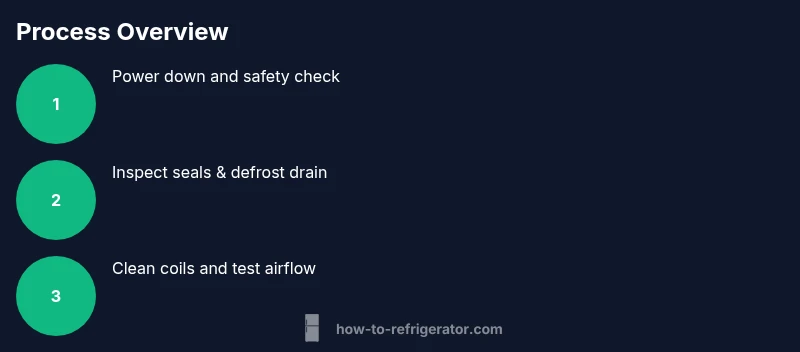
- 1
Power down and unplug
Unplug the freezer from the wall outlet and switch off any surge protector. Wait 60 seconds to ensure the compressor isn’t energized while you inspect seals and coils. This reduces shock risk and prevents electrical mishaps.
Tip: Label the cord and outlet location to avoid reconnecting wrong. - 2
Check door seals and gaskets
Inspect for cracks, warping, or debris preventing a tight seal. Clean with mild soap and water and dry thoroughly before closing. A poor seal lets warm air in and forces the freezer to work harder.
Tip: Use the dollar-bill test to confirm seal integrity. - 3
Clear defrost drain and address frost
Locate the defrost drain and clear any ice blockage using warm water. For automatic defrost, ensure the cycle runs and isn’t stuck; for manual-defrost, allow extra time for defrosting after draining.
Tip: Avoid metal tools near coils to prevent damage. - 4
Clean condenser coils and check the fan
With the unit unplugged, vacuum or brush dust from condenser coils and the fan area. A clean coil improves heat transfer and cooling efficiency; a noisy fan may indicate obstruction or wear.
Tip: Do not touch the fan blades while powered off. - 5
Verify temperature settings and airflow
Set the freezer to the recommended temperature and ensure vents aren’t blocked by food. After adjustments, allow 6-12 hours to stabilize and monitor readings with a thermometer.
Tip: Record temperatures for 24 hours to detect drift. - 6
Test ice maker and internal components
If your model includes an ice maker, test its production and check water supply lines. If there’s no ice maker, ensure no internal components are blocked by stored items.
Tip: Give 24 hours to evaluate ice production changes. - 7
Know when to call a professional
If temperatures remain high, you hear compressor issues, oil odors, or refrigerant concerns, contact a qualified technician. DIY refrigerant work is unsafe and illegal in many jurisdictions.
Tip: Have your model number ready when you call.
FAQ
Why isn't my freezer cooling?
Not cooling usually means either a door seal issue, frost buildup blocking airflow, or a thermostat problem. Start by checking the door gasket and vents, then verify the temperature setting. If the issue persists, you may need professional service.
If your freezer isn’t cooling, start with the door seal and vents, then check the thermostat. If it still fails, it’s time to get professional help.
What should I do about ice buildup inside the freezer?
Interior ice can indicate a defrost problem or blocked drain. Clear frost safely, defrost if needed, and ensure the defrost drain remains clear for proper airflow.
Ice buildup usually points to a defrost or drain issue; clear the frost and make sure the drain is open.
Is unplugging the freezer safe for troubleshooting?
Yes, unplugging before inspection is essential for safety. After unplugging, allow a short wait for capacitors to discharge before touching any components.
It's safe to unplug but make sure to wait a moment for capacitors to discharge.
When should I call a professional repair service?
Call a professional if temperatures stay high after basic checks, you suspect refrigerant leaks, or you hear unusual noises from the compressor.
Call a pro if basic checks don’t restore cooling or you hear odd noises.
Can a noisy freezer be fixed at home?
Some noises come from fan obstructions or loose parts, which you can fix with basic inspections. If the noise persists, a professional should diagnose the compressor or sealed system.
Noisy freezers can often be fixed by clearing obstructions, but persistent noise means professional diagnosis.
How often should I defrost a manual-defrost freezer?
Manual-defrost models should be defrosted as needed when frost approaches an inch thick, then cleaned and returned to normal operation.
Defrost as needed when frost builds up.
Top Takeaways
- Unplug before inspection
- Check seals first to save energy
- Clear defrost drains to prevent frost build-up
- Keep condenser coils clean for efficiency
- Know when professional help is needed