Should Refrigerator Compressor Be Hot? A Troubleshooting Guide
Learn why a hot refrigerator compressor may signal overheating and how to safely diagnose, clean coils, improve airflow, and decide when professional help is needed. A How To Refrigerator guide for homeowners troubleshooting appliance issues.


Hot refrigerator compressor usually signals overheating caused by restricted airflow or dirty condenser coils. Start by unplugging and cleaning the coils, ensuring at least 2 inches of space behind the unit, and verifying the condenser fan runs. If it stays hot after these steps, avoid using it and contact a professional.
Should Refrigerator Compressor Be Hot? Understanding the Question
When homeowners notice a hot compressor, the first question is often whether this is normal. The short answer is: a certain amount of warmth can be expected as the compressor does its job, but sustained or excessive heat is a warning sign. The exact temperature of the compressor isn’t published for consumer devices, yet a hot, unusually loud, or sluggish unit usually indicates the cooling system is working overtime or encountering a fault. According to How To Refrigerator, a hot compressor should trigger a careful, methodical check rather than frantic replacement. This article walks you through practical steps to diagnose and address heating efficiently, without wasting time or risking safety. By understanding the conditions that cause heat, you’ll know when to fix, when to tweak airflow, and when to contact a licensed technician.
As you read, keep in mind that safety comes first. Do not attempt to service sealed components or perform risky electrical work unless you have the proper training. The goal is to determine whether heat is a benign part of normal operation or a symptom of an underlying issue that deserves professional attention. The guidance here is designed for homeowners tackling common overheating in common household refrigerators.
How a Refrigerator Compressor Performs and Why Heat Occurs
The compressor is the heart of the cooling cycle, pumping refrigerant through the system to absorb and release heat. While the compressor does generate heat during operation, it should not become dangerously hot to the touch. When heat levels rise beyond what you’d expect for a given load or ambient temperature, it’s often because the system is fighting to maintain the set temperature. Overheating can strain components, reduce efficiency, and shorten the life of the unit. Regular maintenance helps maintain proper heat dissipation and keeps the thermodynamics in balance. How To Refrigerator emphasizes that most overheating cases stem from airflow issues, dirty coils, or a malfunctioning fan rather than an immediate need for a costly repair.
In warm environments or when a refrigerator runs constantly, heat buildup is more likely. A door left ajar, frequent openings, or excessive food load can also cause the compressor to work harder than necessary. The key is to identify whether the heat is an occasional rise during peak cycles or a persistent issue that doesn’t resolve after a reasonable cooldown. Distinguishing normal warmth from dangerous heat is essential for safety and long-term reliability.
From a homeowner’s perspective, recognizing the signs of overheating can save money and prevent damage: buzzing or humming that seems abnormally loud, ice production that stalls, or a noticeable warm vent near the back. These cues often align with the underlying issues discussed in this guide and point to the right first steps you can take without specialized tools.
Common Causes of Overheating and How to Prioritize Them
Many overheating problems have a short list of culprits. The most frequent are dirty condenser coils and restricted airflow, but several other factors can contribute. Understanding these causes helps you triage quickly and start with the easiest fixes. In practice, homeowners report heat from the back of the unit after a summer day or after moving to a tighter space where ventilation is restricted. The How To Refrigerator team notes that properly maintained coils and adequate clearance around the appliance are two of the most effective preemptive measures.
- Dirty condenser coils: Dust and grime act like insulation, hampering heat exchange and forcing the compressor to work longer. This is a top cause of overheating and a common homeowner fix.
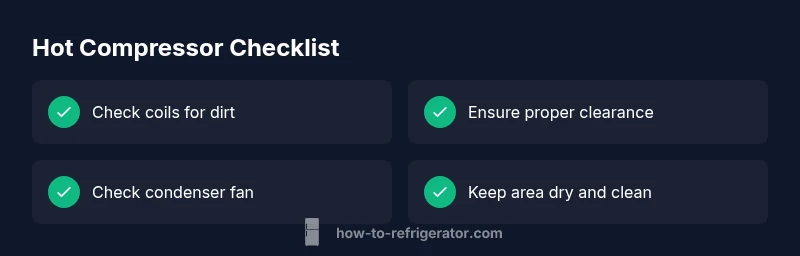
- Poor airflow: A blocked rear grille or limited space against walls reduces heat dissipation. Ensure at least 2-4 inches of clearance for airflow and avoid squeezing the unit into an alcove.
- Failing condenser fan: If the fan isn’t spinning freely or has accumulated debris, heat isn’t removed efficiently. Listen for a steady fan sound when the compressor runs; a silent or erratic fan indicates service is needed.
- High ambient temperature or heavy loads: Rooms hotter than 80°F (27°C) or continuous loading can raise compressor workload. Reduce heat exposure by improving room ventilation or staggering cooling cycles if possible.
Crucially, these causes often interact. For instance, a dirty coil can reduce airflow, and a weak fan compounds the problem. Treating the most accessible root causes first—coils and airflow—often yields the fastest relief. If the unit still runs hot after addressing these items, the problem may lie deeper in internal components that require professional service.
How To Refrigerator recognizes that homeowners who regularly clean coils and maintain space around their fridge tend to experience fewer overheating episodes. While some heat during normal operation is expected, persistent heat is not something to ignore. If you notice ongoing heat, continue with the diagnostic steps described below and monitor the unit for improved performance after each fix.
Safe, Quick Checks You Can Do Without Tools
Before pulling panels or touching wiring, perform a controlled, safe checklist to rule out simple causes. These checks require no specialized tools and can quickly reveal the most common reasons a compressor gets hot. Start with the easiest and least risky actions, then move to more involved steps if heat persists. Remember to unplug the unit before performing any hands-on checks.
- Check the back and underside: Look for visible dust on coils and vents. Clean with a soft brush or vacuum; avoid using water directly on electrical parts.
- Clearances around the fridge: Ensure at least 2-4 inches of space on the rear and sides. Move furniture or appliances away to improve airflow. Avoid sealing the clearance with cabinetry.
- Check the condenser fan: Listen for the fan when the compressor runs. If you hear grinding, squealing, or no fan activity, a professional diagnosis is advised.
- Door usage and loading: Confirm doors close firmly. Minimize door openings during peak heat times, and avoid overloading shelves with warm dishes.
If these checks don’t resolve the overheating or you notice unusual noises, smell burning plastic, or see frost in unexpected places, stop using the unit and proceed to the next steps. Safety first means calling a professional when in doubt.
Step-by-Step Fix for the Most Common Cause: Dirty Coils and Restricted Airflow
This section provides a practical, homeowner-friendly sequence to address the most common overheating culprit: dirty condenser coils and restricted airflow. Following these steps in order helps you verify each fix before moving on to the next, reducing the risk of overlooking a simple cause or causing further damage.
- Power off and unplug the refrigerator. This ensures safety while you work around the coils.
- Locate the condenser coils. They are typically at the back or underneath the unit. If you can access them safely, inspect for visible dust and debris.
- Clean coils thoroughly. Use a soft brush, lint-free cloth, or a vacuum to remove dust and hair. Do not use water on electrical components.
- Create proper airflow: Move the fridge away from the wall to restore space around the back and sides. Ensure a minimum of 2-4 inches of clearance.
- Inspect the condenser fan: While the unit is unplugged, verify the fan blades spin freely. If they jam or wobble, plan for replacement or professional inspection.
- Reconnect power and observe: Plug the fridge back in. After 15-30 minutes, check if the compressor heat has reduced and the temperature stabilizes. If heat remains high, proceed to the professional options described below and document symptoms for the tech visit.
Following these steps typically resolves overheating caused by dirt and airflow. If the compressor remains uncomfortably hot after these actions, the fault may lie with a failing fan, a compressor issue, or refrigerant problems that require professional service.
Prevention and Best Practices to Keep Your Compressor Cool Year-Round
Prevention is more effective than cure when it comes to compressor heat. By maintaining good airflow, scheduling regular maintenance, and addressing wear early, you can minimize overheating events and extend your fridge’s life. The best defense is a simple maintenance routine that you can perform quarterly or semi-annually.
- Schedule regular coil cleanings: Clean coils at least twice a year in households with pets or dusty environments. Consider more frequent cleanings if you notice dust accumulation or reduced cooling efficiency.
- Ensure consistent ventilation: Keep the area around the refrigerator well-ventilated. Avoid tight cabinet enclosures or bookcases hugging the unit.
- Monitor ambient temperature: In hot climates, a climate-controlled room helps. Use curtains, blinds, or HVAC adjustments to keep the kitchen cooler during peak summer months.
- Listen for unusual sounds: A louder hum or buzzing can indicate the fan or compressor is struggling. Early detection means earlier maintenance and less downtime.
Shifting to a proactive maintenance habit reduces the chance of heat-related failures. The How To Refrigerator team emphasizes that timely filter replacements, coil cleaning, and fan inspections dramatically reduce overheating risk over the appliance’s lifespan.
Incorporating these practices into your home maintenance plan helps ensure your refrigerator works efficiently, stays cooler longer, and avoids the costs associated with compressor failure.
When to Seek Professional Help and What to Expect
If you’ve exhausted safe, homeowner-friendly steps and the compressor remains hot, it’s time to involve a professional. Heat can be a sign of a failing condenser fan, a blocked heat exchange path, refrigerant issues, or compressor problems that require specialized tools and knowledge. Do not continue to operate a unit that continues to overheat, as this can risk electrical faults, ice buildup, or fire hazards. When you call a technician, provide detailed symptoms, including how long the unit runs hot, ambient room temperature, any noises, and whether the fan cycles on and off.
A licensed technician will typically:
- Inspect electrical connections and the compressor for signs of wear
- Test refrigerant pressure and look for leaks
- Check the condenser fan operation and coil cleanliness
- Recommend repair or replacement options with a clear cost estimate
The goal is to restore safe operation and prevent future overheating. The How To Refrigerator team recommends timely professional assessment for persistent heat or if you observe signs of refrigerant leakage, unusual odors, or frosting patterns that don’t correspond to normal defrost cycles. Remember, your safety and appliance longevity come first.
Key Takeaways for Quick Reference
- Regular coil cleaning and proper clearance around the unit reduce overheating risk.
- If the compressor runs hot for extended periods, start with safe checks before calling a pro.
- A functioning condenser fan and clean coils are the two most common fixes for heat-related issues.
- Do not attempt to service sealed components or refrigerant systems yourself.
- Document symptoms and steps taken when consulting a professional for faster repair.
FAQ Section
-
Question: Is it dangerous if the refrigerator compressor is hot? Short Answer: Yes, persistent heat can indicate a fault and potential safety risk. Turn off and unplug if you notice continued heating and contact a professional. Question Short: Dangerous heat? Answer: Yes, prolonged heat can be unsafe and may damage internal components. Monitor for other symptoms like unusual noises or smells and seek help if heat persists. VoiceAnswer: Yes. Prolonged heat can be dangerous and may indicate a fault. Unplug and consult a professional if it keeps heating. Priority: high
-
Question: Should I touch the compressor if it’s hot? Short Answer: No. Do not touch hot components. Power down first, then use non-conductive tools only if you’re trained. VoiceAnswer: No, avoid touching hot parts. Power down and seek help if heat persists. Priority: high
-
Question: What temperature should a compressor run at? Short Answer: There isn’t a consumer-specified temperature; compressors heat during operation. If it feels unusually hot, investigate airflow, coils, and fan function. VoiceAnswer: There isn’t a fixed temp for homeowners; if it’s unusually hot, investigate airflow and cooling components. Priority: medium
-
Question: Can regular maintenance prevent overheating? Short Answer: Yes. Regular coil cleaning, proper ventilation, and fan checks significantly reduce overheating risk. VoiceAnswer: Definitely. Routine maintenance helps prevent overheating. Priority: medium
-
Question: Could a hot compressor mean a refrigerant leak? Short Answer: It’s possible but not the most likely cause. Look for other signs like frost or hissing sounds and have a pro test refrigerant integrity. VoiceAnswer: It can signal a refrigerant issue, but more common causes are dirt and airflow problems. Priority: medium
-
Question: When should I replace the compressor? Short Answer: If the compressor is failing repeatedly or under warranty, a professional will help decide between repair and replacement. VoiceAnswer: Replacement depends on age, cost, and repair feasibility; a pro will guide you. Priority: low
Steps
Estimated time: 60-90 minutes
- 1
Power off and unplug
Turn off the fridge and unplug the power cord from the outlet. This prevents shocks or short circuits while you inspect the coils and fan. Wait a few minutes for the unit to cool before handling components.
Tip: Always ensure hands are dry and the outlet is truly off. - 2
Check space and ventilation
Move any obstruction away from the back and sides. Ensure there’s at least 2-4 inches of clearance and that the unit isn’t tucked into a tight alcove.
Tip: Good airflow is the single most effective fix for overheating. - 3
Inspect and clean condenser coils
Access the coils (back or underneath) and gently remove dust with a brush or vacuum. Avoid spraying water directly onto electrical components.
Tip: Work from the top of the coils downward to prevent debris from falling into the fan area. - 4
Test the condenser fan
While unplugged, manually spin the fan blades to check for smooth movement. If it’s stiff or wobbly, fan replacement may be needed.
Tip: Do not force the blades; if you hear grinding, stop and seek professional help. - 5
Reconnect and observe
Plug the unit back in and wait 15-30 minutes to see if the compressor temperature stabilizes. Note any persistent warmth or abnormal noises.
Tip: Keep a log of temperatures and noises over the next 24 hours. - 6
Call a professional if heat persists
If the compressor remains hot after these steps, contact a licensed technician. Provide symptom details, room temperature, and any observed noises.
Tip: Do not attempt sealed-system repairs yourself.
Diagnosis: Compressor becomes hot to the touch after running for 20-30 minutes
Possible Causes
- highRestricted airflow due to dirty condenser coils or blocked rear grille
- mediumInsufficient clearance or poorly ventilated cabinet area
- mediumCondenser fan not running or failing
- lowOverheating during startup or high ambient room temperature
Fixes
- easyClean condenser coils and restore proper clearance around the unit
- easyImprove room ventilation and ensure 2-4 inches of clearance
- mediumTest and replace condenser fan if it’s not spinning properly
- hardIf overheating persists, consult a licensed technician for compressor or refrigerant issues
FAQ
Is it dangerous if the refrigerator compressor is hot?
Yes. Persistent heat can indicate a fault and potential safety risk. Unplug the unit and contact a professional if heat continues after basic checks.
Yes, persistent heat can be dangerous. Unplug the fridge and contact a professional if it keeps getting hot.
Should I touch the compressor if it’s hot?
No. Do not touch or attempt to service hot components. Prioritize safety by turning off power and seeking professional help if unsure.
No—do not touch hot components. Turn off power and call a professional if unsure.
What temperature should a compressor run at?
There isn’t a fixed consumer temperature. Compressors heat during operation; persistent excessive heat indicates an airflow, coil, or fan problem.
There isn't a set temperature; heat is common but persistent excessive heat means a problem.
Can regular maintenance prevent overheating?
Yes. Regular coil cleaning, ensuring proper ventilation, and checking the condenser fan greatly reduce overheating risk.
Yes. Regular maintenance helps prevent overheating.
Could a hot compressor indicate a refrigerant leak?
It’s possible but not the most likely cause. Look for frosting, hisses, or oily spots and have a pro test for leaks if suspected.
It can indicate a leak, but more common causes are dirt and airflow problems.
When should I replace the compressor?
If the unit is old, frequently overheating, or under warranty with poor repair options, a professional will advise whether repair or replacement is best.
Replacement depends on age, cost, and repair feasibility; a pro will guide you.
Watch Video
Top Takeaways
- Inspect coils and airflow regularly to prevent overheating.
- Use the step-by-step process before calling a professional.
- Maintain clearance around the unit to improve heat dissipation.
- If heat persists, seek professional evaluation promptly.
- Follow safety precautions to protect yourself and your appliance.