Repair Refrigerator Door Handle: A Homeowner's Guide
Learn how to diagnose and repair a refrigerator door handle with a homeowner-friendly, step-by-step approach. Find tools, safety tips, and maintenance practices to restore secure operation and extend handle life.


By following this guide, you will be able to repair refrigerator door handle issues that cause looseness or breakage. This includes diagnosing mounting screw wear, choosing between a handle replacement or screw repair, and performing a safe, step-by-step fix with common tools. The goal is to restore secure grip and proper door alignment without a costly service visit.
Why a sturdy door handle matters
A fridge door handle may seem cosmetic, but it's a critical part of daily use. A loose or broken handle can allow the door to shift, increase seal wear, or cause spills when pulling it open. For homeowners aiming to minimize downtime, knowing how to repair refrigerator door handle is essential. The repair refrigerator door handle process is often a simple fix that doesn't require brand-specific parts. According to How To Refrigerator, start with a visual inspection, check mounting screws, and assess the mounting holes for wear. If the handle is intact but the screws are stripped, you may only need replacement screws or a new mounting plate. If the internal latch or plastic mounting studs are damaged, you may opt for a full handle replacement. This section covers diagnosis, common failures, and safe, practical repair approaches that you can perform with common tools.
Diagnosing common failure modes
Door handle failures fall into a few predictable categories. Loose screws or a wobbly handle indicate mounting hardware wear. A visibly cracked or bent handle means replacement is likely the best option. Stripped mounting holes or broken plastic bosses require repair components or a new mounting bracket. Misalignment can mirror other problems like a warped door or worn seals. In any case, a careful inspection is the first step, followed by choosing between repair and replacement based on condition and availability of parts.
Tools and replacement options you may need
Before you start, gather tools that cover both tightening and replacement scenarios. A Phillips screwdriver (size #2) handles most cabinet screws. You may also need a flat-head screwdriver for plastic caps, pliers for holding small parts, and a clean cloth for wiping debris. If mounting holes are worn, you might require a new mounting plate or a replacement door handle kit. Replacement screws, compatible brackets, and sometimes a small amount of thread locker will help ensure a secure fit. Keeping a spare handle that matches your refrigerator model can save downtime if the original is damaged beyond repair.
Safety and planning before you start
Safety first: unplug the refrigerator to avoid any electrical risk while you work near wiring or interior components. Clear the area and lay down a soft cloth to prevent scratches on the door panel. If your model uses a decorative cover over the screws, remove it carefully with a trim tool or flat blade. Take photos during disassembly so you can reassemble accurately. Wear eye protection if you anticipate any loose parts that could spring when loosened. Finally, confirm you have the correct replacement parts before removing the current handle.
Repair paths: when to tighten, replace, or upgrade
If the handle is intact but loose, a simple tightening of mounting screws or replacement of worn screws may restore function. If the mounting holes are stripped or the plastic bosses are damaged, a full handle replacement or an upgraded bracket may be necessary. In some cases, upgrading to a heavier-duty handle or a bracket with reinforced mounting can improve durability. Always verify compatibility with your refrigerator model before purchasing parts.
Aftercare and maintenance to prevent future failures
After reassembly, test the door several times to ensure the handle stays secure under normal use. Wipe away fingerprints and check for any misalignment. Periodically inspect screws for tightness and re-tighten if there's any wobble after a week of regular use. Consider applying a small amount of thread locker on metal screws where appropriate, and avoid overtightening to prevent cracking plastic parts. Keeping a small repair kit handy can reduce downtime for future minor issues.
Troubleshooting after repair
If the handle feels loose again after a short period, re-check the screws for wear and confirm the bracket is still secure. A noisy or squeaking handle may indicate friction with a misaligned door or a rubbing seal, which can be solved by realigning the door and ensuring the gasket seats evenly. If problems persist, it may be more cost-effective to replace the handle assembly rather than pursue incremental fixes, especially on older units.
Tools & Materials
- Phillips screwdriver #2(Most cabinet screws use this size)
- Flat-head screwdriver(For plastic caps or prying delicate plastic parts)
- Pliers(Grip small parts and prevent slipping)
- Replacement refrigerator door handle(Only if the current handle is broken beyond repair)
- Replacement mounting screws(Select compatible length and finish)
- Replacement mounting plate/bracket(Use if original holes/bosses are worn)
- Thread locker (light)(Use sparingly on metal screws)
- Cleaning cloth(Wipe dust and debris)
Steps
Estimated time: 30-45 minutes
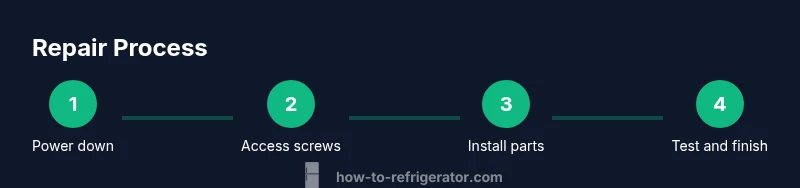
- 1
Power down and prep safety area
Unplug the refrigerator to minimize any risk while you work near electrical components. Clear the surrounding area and lay a soft cloth to protect the door finish. This step ensures you have a clean, safe workspace before tampering with screws.
Tip: Keep a small parts tray nearby to organize screws and brackets. - 2
Access the handle mounting screws
Remove any decorative cover or trim to expose the mounting screws. Grasp the handle firmly and locate all screws that secure it to the door. If screws are under caps, gently pry them loose with a flat-head screwdriver.
Tip: Document screw locations with a quick photo to aid reassembly. - 3
Remove the handle and inspect
Carefully lift the handle away from the door, keeping any mounting hardware with it. Inspect the screws, plastic bosses, and metal brackets for wear or damage. If any components show signs of cracking or stripping, set them aside for replacement.
Tip: Check if the holes in the door are cracked or widened; this indicates a failed mounting surface. - 4
Decide between repair or replacement
If screws are simply worn, replace them with new ones and re-seat. If the mounting holes or bosses are damaged, switch to a replacement mounting plate or bracket. Choose the option that provides the most secure, long-lasting fix.
Tip: Prefer a bracket with reinforced mounting for durability. - 5
Install the new or repaired hardware
Mount the handle using the selected screws or new bracket. Hand-tighten first to avoid cross-threading, then snug with a screwdriver. Ensure the handle sits flush and aligns with the door edge.
Tip: Avoid overtightening plastic parts to prevent cracking. - 6
Reattach and align the door
Reattach any trim caps and verify the door alignment in the closed position. Open and close several times to check grip and ensure the latch engages smoothly. Realign if necessary.
Tip: Test with a gentle tug on the handle to confirm solid mounting. - 7
Test, clean, and finish
With the door reassembled, test the seal by closing firmly and wiping away fingerprints. If the handle remains loose, re-check mounting hardware or seek a replacement part. Restore any trim pieces and clean the area.
Tip: Keep a spare shorter screw in case a thread strips during reassembly.
FAQ
Can I fix a broken refrigerator door handle without replacing it?
Often you can save time by replacing worn screws or the mounting plate if the handle is intact. If the handle itself is cracked, replacement is usually the best option to restore strength.
In many cases you can fix the handle by replacing worn screws or the mounting plate, but a cracked handle generally needs replacement.
What tools do I need to repair refrigerator door handle?
A Phillips screwdriver, pliers, and a possible replacement handle or mounting hardware are the core items. Keep a small tray to organize screws and consider a soft cloth for cleaning.
You’ll typically need a screwdriver, pliers, and possible replacement parts; keeping screws organized helps a lot.
How do I know if mounting holes are stripped?
Look for wobble when the handle is installed or visible wear around the screw holes. If the holes feel oversized or the screws don’t grip, the hardware or door surface may be damaged.
If the screws don’t bite firmly or the holes feel oversized, you likely have stripped mounting points.
Is this repair safe for beginners?
Yes, with basic hand tools and careful handling. Follow steps methodically, unplug the fridge, and avoid working near live electrical components.
Absolutely, just take your time and follow safety steps.
Will a damaged door handle affect the door seal?
A loose handle usually doesn’t affect the seal directly, but a misaligned door can lead to an improper seal. Ensure the door closes evenly after repair.
A loose handle can lead to door misalignment, which may affect sealing if not corrected.
When should I replace the entire door handle assembly?
If multiple mounting points are damaged, the handle or bracket is cracked, or the door won’t stay aligned after repairs, replacing the assembly is the most reliable option.
If mounting holes or the handle are severely damaged, replacement is the safest choice.
Watch Video
Top Takeaways
- Assess whether tightening or replacement is needed.
- Use correct screws and bracket for secure mounting.
- Test the handle and door alignment before finishing.
- Keep spare parts to reduce downtime on future repairs.