Refrigerator Repair Service: A Practical Homeowner's Guide
Learn how to evaluate, prepare for, and work with a refrigerator repair service. Find when to DIY, how professionals diagnose, and maintenance tips to keep your fridge reliable.


This guide shows homeowners how to decide when to hire a refrigerator repair service, perform essential pre‑service checks, and understand the typical diagnostic and repair steps a professional will follow.
What a Refrigerator Repair Service Covers
A refrigerator repair service specializes in diagnosing and restoring cooling, defrosting, and overall performance. It typically includes a remote triage by phone or online inquiry, on-site inspection, electrical safety checks, diagnostic tests, and repair or replacement of failed parts such as thermostats, defrost timers, door seals, fans, or compressors. The How To Refrigerator team emphasizes that reputable services start with verifying basic safety, confirming model compatibility, and then prioritizing non-invasive fixes before component replacement. Homeowners should expect a written estimate, transparency about labor rates, and a clear explanation of recommended parts. In most cases, a pro will test temperatures at multiple shelves, listen for abnormal noises, and check for frost buildup to pinpoint the root cause. By understanding the typical service workflow, you can prepare effectively and ask informed questions. According to How To Refrigerator, a trustworthy refrigerator repair service will also discuss warranty terms and offer maintenance tips to extend the unit's life.
DIY vs Professional: When to Hire a Refrigerator Repair Service
Some fridge issues are straightforward enough for DIY, such as clearing minor ice buildup or cleaning coils. However, many problems benefit from a licensed technician who can safely handle refrigerants, electrical components, and sealed systems. If the fridge is not cooling at all, or if you notice leaking water, buzzing or heat behind the unit, schedule a professional visit promptly. A service call should include a diagnostic assessment, a written scope of work, and a warranty on repairs. The decision often hinges on safety, warranty terms, and the age of the appliance. The goal is to minimize downtime and prevent further damage, while keeping costs predictable. For homeowners, it helps to know what you can reasonably fix and when to seek expert help from a refrigerator repair service. The How To Refrigerator team recommends erring on the side of caution when refrigerant components may be involved.
Common Refrigerator Problems and Likely Causes
- Not cooling or staying cold: insufficient refrigerant, failed compressor, faulty thermostat, or blocked airflow.
- Frost buildup or defrost drain issues: problems with the defrost timer, heater, or defrost sensor.
- Water leaks or pooling: clogged drain, cracked ice-maker line, or door-seal leaks.
- Loud or unusual noises: faulty evaporator fan, condenser fan, or compressor bearing wear.
- Ice maker problems: jammed ice maker, blocked water line, or temperature fluctuations behind the wall.
A professional will verify measurements, inspect internal components, and test electrical connections to determine the exact fault. Describing symptoms clearly and noting the unit’s age and model number helps the technician plan the visit and reduces diagnostic time.
The Diagnostic Process Used by Technicians
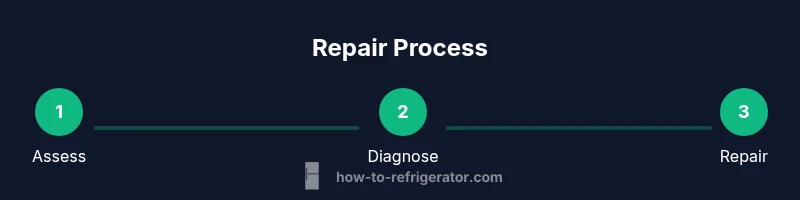
A typical diagnostic workflow begins with safety checks and verification of power supply. The technician then tests temperature readings at multiple points, inspects door seals and airflow paths, and examines the condenser coils for cleanliness. If refrigerant handling is needed, a licensed pro uses approved recovery equipment and follows applicable regulations. The next step is component-level testing: thermostat operation, defrost timer, defrost heater, fan motors, and compressor function. Based on measurements, they isolate the faulty part and propose a repair or replacement plan with estimated costs. Expect the visit to include a written repair plan, warranty terms for the parts, and a timeline for parts availability if a replacement is needed. This transparent approach helps homeowners budget and decide whether to proceed. The goal is clarity and minimizing downtime.
Preparing for a Service Visit: What to Have Ready
Before arrival, gather essential information: model and serial number, the unit’s age, and recent symptoms. Prepare access to the area, clear a path to the appliance, and remove any obstacles around the power cord. Write down observed issues, including when they occur and any patterns (e.g., after thermostat changes or during heavy use). Have the owner's manual on hand for model-specific guidance and note any previous repairs. If possible, take photos of panels or wiring to show the technician. This preparation saves time, reduces labor costs, and helps the technician diagnose faster. Finally, confirm whether you need to power down for safety during the visit and whether you will require after-service follow-up.
Maintenance and Preventive Tips to Extend Lifespan
Regular maintenance can reduce the frequency of service calls. Clean condenser coils every six months or as recommended in the user manual. Check door gaskets for cracks and replace them promptly to prevent warm air intrusion. Keep the interior at stable temperatures by avoiding frequent door openings during hot days. Ensure proper drainage by clearing the defrost drain if accessible, and inspect the ice-maker line for leaks. Keep the space around the unit clear for air circulation and install the fridge away from heat sources. When you notice performance decline, address it early rather than waiting until the unit stops cooling completely. A proactive refrigerator repair service can offer maintenance plans that align with your usage and local climate.
Authoritative Sources and Practical Safety Guidelines
For readers who want to verify safety standards and best practices, consult reputable resources. The FTC provides consumer guidance on appliance repairs and avoiding scams, while NIST offers general standards for measurement and reliability. Energy department resources discuss efficiency and safe handling of household appliances. Always prioritize safety and follow manufacturer guidelines for your specific model. These sources complement the hands-on guidance from the How To Refrigerator team and help homeowners make informed decisions about refrigerator repair service, maintenance, and expansion of knowledge.
How to Read This Guide Like a Pro
This article is designed for homeowners troubleshooting fridge issues, with practical steps you can take today and a clear path to professional support when needed. If you’re short on time, jump to the diagnostic flow and the preparation section to accelerate the service visit. If you’re planning long-term upkeep, review the maintenance tips and warranty considerations to maximize the life of your unit.
Tools & Materials
- Digital multimeter(for testing voltage and continuity)
- Screwdriver set (Phillips and flat-head)(for access panels and fasteners)
- Nut driver or socket set(for appliance fasteners and brackets)
- Gloves and safety glasses(protect hands and eyes during inspection)
- Owner's manual and model numbers(model-specific guidance and specs)
- Soft cloths and mild cleaner(coil and surface cleaning)
- Flashlight or headlamp(illuminate dark corners and panels)
Steps
Estimated time: Total time: 60-120 minutes
- 1
Power off and prep safely
Begin by unplugging the refrigerator and turning off any nearby breakers to prevent shock. Remove nearby items to create a clean workspace and allow coils and panels to cool before inspection. This safe start protects you and ensures accurate diagnostics.
Tip: Unplug the unit and wait a few minutes before touching any electrical components. - 2
Inspect and clean condenser coils
Locate the condenser coils (usually behind a back panel or beneath the unit). Gently remove dust with a brush or vacuum, keeping the area dry. Dirty coils reduce cooling efficiency and can raise compressor load.
Tip: Use a soft brush attachment and avoid using water directly on electrical components. - 3
Check door seals and airflow
Examine gaskets for cracks or gaps; a loose seal lets warm air in. Confirm airflow from vents isn't blocked by shelves or debris. Clean seals if dirty and test closing pressure by closing the door on a dollar bill to see resistance.
Tip: Replace damaged seals promptly to restore efficiency. - 4
Test thermostat and temperature settings
Verify the thermostat setting matches the manufacturer’s recommended range for your model. Allow the fridge to run for several hours and compare internal temperatures with a thermometer placed at different shelves.
Tip: Document readings before making adjustments and avoid rapid thermostat changes. - 5
Check defrost drain and ice-maker lines
Inspect the defrost drain for clogs and ensure the ice-maker line is clear. A blocked drain can cause frost and water pooling, while a blocked water line affects ice production.
Tip: Flush with warm water to clear minor blockages; do not use forceful methods that could damage tubing. - 6
Document symptoms and decide on service
Record what you observed: when the issue occurs, noises, temperature readings, and any recent repairs. Use this information to decide if DIY fixes suffice or if you should book a refrigerator repair service.
Tip: Take photos and note model numbers to speed up diagnosis if you contact a pro.
FAQ
What is a refrigerator repair service?
A refrigerator repair service is a professional that diagnoses and fixes fridge cooling issues, electrical components, and related parts.
A professional fridge repair service diagnoses and fixes cooling issues and parts.
How long does a typical refrigerator repair visit take?
Most visits take a few hours, depending on the complexity of the problem and parts availability.
Most visits take a few hours depending on the issue.
DIY fixes vs professional repairs—how do I decide?
DIY fixes are suitable for small tasks, but refrigerants and sealed systems require a licensed technician for safety and compliance.
DIY can help with simple tasks, but refrigerants need a pro.
Will a repair affect my warranty?
Warranty terms vary by manufacturer and service provider. Ask about parts warranty and whether the service is authorized.
Warranties vary; check terms with the service.
How should I prepare for a technician's visit?
Provide the model and serial number, describe symptoms, clear access to the unit, and have manuals handy.
Have model numbers, describe symptoms, and clear access ready.
Can regular maintenance prevent future fridge problems?
Yes. Regular coil cleaning, door seal checks, and stable temperatures help prevent common breakdowns.
Regular maintenance helps prevent future issues.
Watch Video
Top Takeaways
- Know when a pro is needed
- Prepare thoroughly before service
- Understand the diagnostic steps used by technicians
- Practice regular maintenance to prevent issues
- Choose a reputable refrigerator repair service