How to Use and Maintain a Refrigerator Outdoors
Learn how to safely use and maintain a refrigerator outdoors with weatherproof setup, proper ventilation, and electrical safety for reliable outdoor cooling.


This guide explains how to safely configure and maintain a refrigerator outdoors, including whether to use an outdoor-rated unit, how to shield it from weather, electrical safety, drainage, ventilation, and routine checks. It covers site selection, enclosure design, and maintenance to prevent rust, condensation, and energy waste. Follow the step-by-step sections for concrete actions.
Should you use a standard fridge outdoors or an outdoor-rated model?
A refrigerator outdoors presents several trade-offs. Indoor fridges are not designed for prolonged exposure to sun, rain, humidity, and temperature swings, which can accelerate corrosion, condensate buildup, and compressor strain. The How To Refrigerator team recommends evaluating whether you truly need a fridge outside or if an indoor model can be placed inside a weatherproof cabinet or covered patio space. If you decide to proceed with outdoors use, opt for an outdoor-rated unit or a standard unit placed inside a purpose-built, weather-protected enclosure. This approach minimizes rust, maintains consistent cooling, and reduces energy waste caused by environmental stress. The phrase refrigerator outdoors often appears in consumer guides, but the best practice is to start with an outdoor-rated appliance or a robust protective housing. According to How To Refrigerator, choosing the right equipment at the outset dramatically lowers maintenance needs later and improves safety for your home.
Climate, location, and enclosure design for a refrigerator outdoors
Climates vary, and a refrigerator outdoors must tolerate sun, rain, and humidity. Choose a shaded, dry location that offers some wind protection and a level surface. Elevate the unit slightly to prevent ground moisture from rising into the cabinet and ensure at least 1–2 inches of clearance on all sides for air flow. Use a UV-resistant, weatherproof cabinet or enclosure that seals around edges while leaving the condenser area free to dissipate heat. For best results, pair the setup with a breathable cover that is vented or designed for equipment cooling. Keeping the unit dry, stable, and ventilated dramatically improves reliability for a refrigerator outdoors and reduces the likelihood of rust and moisture ingress.
Choosing enclosure and ventilation for heat dissipation
Heat dissipation is critical when a refrigerator operates outdoors. A poorly ventilated space can trap heat, causing the compressor to work harder and shorten its life. Use a cabinet with vents that allow air to flow around the condenser but protect the unit from direct precipitation. Maintain 1–2 inches of clearance between the fridge and enclosure walls, and avoid sealing the condenser area completely. If you install a small fan to improve airflow, ensure it is rated for outdoor use and wired through a weatherproof outlet. Regularly inspect seals around the enclosure and replace worn gaskets to prevent moisture intrusion. These steps help prevent overheating and maintain stable temperatures for a refrigerator outdoors across changing weather.
Electrical safety and site preparation
Outdoor electrical work must prioritize safety and code compliance. Install a dedicated outdoor GFCI-protected circuit and weatherproof outlets specifically rated for exterior use. Do not run indoor extension cords through doorways or walkways; instead, use a permanent outdoor-rated wiring method as dictated by local codes. Keep wiring and power connections dry, off the ground, and protected from sprinklers or rain. Use corrosion-resistant fasteners and conduit to route power to the enclosure, and install a weatherproof cover for the outlet when not in use. Regularly test GFCI outlets and keep a simple surge protector or power status indicator on hand to monitor performance. The goal is to minimize shock risk and ensure reliable power for your refrigerator outdoors.
Site layout and drainage considerations
Drainage is essential to prevent standing water around the cabinet, which can accelerate corrosion and create slip hazards. Position the enclosure on well-drained ground with a slight slope directing condensate and spills away from the unit. Install a drip tray or condensate pan with a gentle slope toward an approved drain if your climate produces substantial moisture. Consider a secondary drip guard or splash shield to reduce splash from rain or snowfall. Regularly inspect for pooling around the base and clean the area to prevent mold or mildew growth that can affect air quality and indoor-outdoor air exchange around the fridge location. A thoughtful layout keeps your setup tidy and functional for a refrigerator outdoors in all seasons.
Installation steps for a refrigerator outdoors
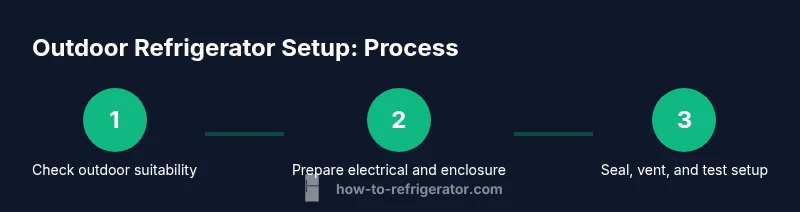
The installation process involves several practical actions to ensure safety and performance. Begin by confirming the unit is outdoor-rated or housed in a weatherproof enclosure. Select a sheltered, level spot with ventilation and away from direct sun. Install a dedicated outdoor electrical circuit with a grounded, weatherproof outlet. Place the refrigerator on anti-vibration pads and level it, then route wiring through a weatherproof conduit to the outlet. Seal gaps with weatherproof sealant and verify that the condenser area remains unobstructed. After wiring, power on and monitor the temperature for a few hours to ensure stability. Finally, set the temperature and establish a maintenance routine to sustain performance for a refrigerator outdoors.
Maintenance routines to keep it performing well
Routine maintenance extends the life of a refrigerator outdoors. Clean the exterior and seals regularly to prevent dirt buildup that can impair door closure. Inspect door gaskets for wear and replace them if needed to maintain an airtight seal. Check the condensation pan and drainage path to avoid overflow and mold growth. Clean the condenser fins if accessible, and ensure the enclosure remains ventilated with unobstructed airflow. Monitor the ambient temperature range and adjust settings to compensate for higher outdoor temperatures. Record any unusual noises, frost buildup, or temperature fluctuations; address issues promptly to minimize energy waste and avoid compressor strain. A proactive approach keeps your refrigerator outdoors reliable year-round.
Common issues and quick fixes
Outdoor exposure can lead to several recurring issues. Condensation buildup around seals or on panels may indicate humidity intrusion; check seals and enclosure clearance. Rust can occur on metal panels exposed to rain; treat small rust spots with rust-inhibiting primer and touch-up paint designed for outdoor metal. If cooling performance declines, inspect airflow and verify that the condenser fins are clean and unobstructed. Electrical issues may stem from moisture; recheck outlet weatherproofing and GFCI status. If the unit fails to start, verify power supply through a dedicated circuit and check for tripped breakers. Regular inspection and timely fixes minimize long-term damage for a refrigerator outdoors.
Authority sources and final safety reminders
For further guidance on outdoor electrical safety and appliance protection, consult reputable sources from government and educational institutions. This article references guidance and best practices as collected by industry experts. How To Refrigerator emphasizes safety-first and using outdoor-rated equipment or protective enclosures to safeguard your investment when placing a refrigerator outdoors. Always follow local electrical codes and manufacturer recommendations when making any outdoor appliance modification. This approach helps ensure a safe, reliable operation of your refrigerator outdoors.
Conclusion and safety reminders from trusted sources
Outdoor refrigeration requires thoughtful planning, weather protection, and ongoing maintenance. By choosing the right equipment, securing a proper electrical supply, and implementing robust enclosure design and drainage, you create a durable setup. The How To Refrigerator team recommends prioritizing safety, regular inspections, and using outdoor-rated components for any refrigerator outdoors project. With careful preparation and consistent upkeep, you can achieve dependable cooling in outdoor environments while protecting your home and the appliance.
Tools & Materials
- Outdoor-rated refrigerator(Specifically designed for exterior use and exposure to temperature/humidity)
- Weatherproof enclosure or outdoor cabinet(Ventilated design; UV-resistant materials; keep condenser accessible)
- GFCI outdoor electrical outlet(Required for safe outdoor power; ensure wiring complies with code)
- Permanent outdoor-rated wiring or outdoor extension cord(Use weatherproof connectors; avoid indoors-rated cords)
- Drain pan or condensation management tray(Direct condensate to approved drain; prevents pooling)
- Digital fridge thermometer(Monitor internal temps and ambient conditions)
- Leveling shims(Ensure a level base for proper operation)
- Weatherproof sealant and weather stripping(Seal gaps around enclosure to keep moisture out)
- Ventilation accessories (optional)(Additional venting or small fan can aid heat dissipation)
Steps
Estimated time: 2-3 hours
- 1
Verify outdoor suitability
Check that the fridge is outdoor-rated or housed in a protective enclosure. Confirm model tolerances for temperature and humidity. If the unit is indoor-only, plan to relocate to an outdoor-rated enclosure or choose a purpose-built outdoor model.
Tip: Look for an IP rating on the appliance label; higher ratings indicate better water and dust protection. - 2
Choose a safe location
Select a shaded, dry spot with a flat, level surface. Ensure the area allows for adequate airflow around the condenser and is away from direct rain, sprinklers, and high-traffic areas.
Tip: Avoid placing the unit on gravel or loose soil that can shift over time. - 3
Prepare electrical supply
Install a dedicated outdoor-powered circuit with a weatherproof GFCI outlet. Keep wiring protected in conduit and ensure all connections are dry when in use.
Tip: Test the outlet with a tester before plugging in the fridge; never rely on ad-hoc cords outdoors. - 4
Position and level the cabinet
Place the enclosure or cabinet on a stable surface and use leveling shims to ensure the unit sits perfectly horizontal. A level base reduces vibration and improves seal integrity.
Tip: Check level from multiple edges; small adjustments can prevent door alignment issues. - 5
Route power and seal enclosure
Run power through weatherproof conduit to the outlet. Seal all penetrations with outdoor-grade sealant, ensuring no moisture can reach internal components.
Tip: Avoid bending wires with tight radii; keep a clean, organized conduit path. - 6
Ensure ventilation and clearance
Make sure the condenser area is not blocked and there is clearance for air to flow. If the enclosure traps heat, consider a small outdoor-rated fan.
Tip: Never cover the condenser grill; heat must escape freely. - 7
Power on and test
Plug in the unit and verify it starts within a few seconds. Check that the thermometer reads within the target range after a few hours of operation.
Tip: Keep the initial run under observation for 2–4 hours to confirm stability. - 8
Set temperature and establish maintenance
Set the thermostat to recommended indoor-outdoor ranges and schedule routine checks for seals, drainage, and airflow.
Tip: Create a quarterly maintenance reminder to clean coils and inspect seals.
FAQ
Can I use a standard indoor refrigerator outdoors?
Not recommended. Indoor fridges are not built for outdoor moisture, temperature swings, or UV exposure. They may fail prematurely or become unsafe to use. If you must place a fridge outdoors, use an outdoor-rated model or place the unit inside a weatherproof enclosure.
An indoor fridge outdoors is not advised; outdoor-rated models or weatherproof enclosures are essential for safety and durability.
Is it safe to run a refrigerator outdoors in cold climates?
Cold temperatures can affect performance and appliance electronics. In freezing conditions, the thermostat and defrost cycle may behave differently. Use a unit rated for outdoor use and monitor performance, especially in winter.
Extreme cold can impact some fridges; use outdoor-rated gear and monitor through winter.
What maintenance is required for a refrigerator outdoors?
Regular cleaning of the exterior and seals, inspecting for rust, clearing airflow, and ensuring drainage are key. Check condenser accessibility and power connections periodically, and test the GFCI outlet after weather events.
Clean seals, check drainage, and test power connections regularly.
Do outdoor fridges require a dedicated circuit?
Yes. Outdoor use typically requires a dedicated, weatherproof circuit with GFCI protection, installed according to local electrical codes. Avoid sharing outlets with other heavy loads.
A dedicated, weatherproof circuit with GFCI is usually required.
How can I improve cooling efficiency outdoors?
Place the fridge in shade, ensure proper ventilation, and keep the condenser free of debris. Use a vented enclosure and avoid obstructing airflow around the unit.
Shade, ventilation, and clear airflow improve efficiency.
Watch Video
Top Takeaways
- Choose outdoor-rated equipment or protective enclosure.
- Protect from weather, ensure ventilation, and maintain drainage.
- Install a dedicated outdoor circuit with GFCI protection.
- Schedule regular maintenance to extend life of a refrigerator outdoors.