Outdoor Refrigerator Guide: Choosing, Installing, and Maintaining for Outdoor Spaces
A comprehensive guide to selecting, installing, and maintaining an outdoor refrigerator, with practical steps, safety tips, and energy considerations for DIY homeowners.


Goal: Learn how to choose, install, and maintain an outdoor refrigerator for reliable performance. You’ll assess location, electrical requirements, insulation, and weatherproofing, then follow a step-by-step installation and maintenance plan. According to How To Refrigerator Team, proper weatherproofing and safe wiring are essential for long life in any climate today anywhere.
Understanding Outdoor Refrigerators
Outdoor refrigerators are built to withstand exposure to the elements while keeping perishables cold. They typically feature enhanced insulation, outdoor-rated compressors, weatherproof seals, and corrosion-resistant exterior panels. When you’re planning an outdoor fridge for a patio, poolside bar, or garage-kitchen, you’re balancing convenience with durability. The How To Refrigerator team notes that choosing a unit with a robust exterior, ample airflow around the condenser, and a proven warranty is essential for longevity. In addition to the appliance itself, think about how it will integrate with your outdoor space: lighting, accessibility, and nearby outlets. A well-chosen outdoor fridge reduces trips inside and helps keep beverages and perishables organized during gatherings. Consider the climate you live in and how it will affect performance, especially in extreme heat, humidity, or cold snaps. By understanding the basics, you’ll be better prepared to select a model that survives year-round use and outdoor conditions.
Key concepts to remember include insulation R-values, IP ratings for water and dust resistance, and energy efficiency ratings. Grounded knowledge from How To Refrigerator emphasizes that weatherproofing is not optional—it is the foundation of an outdoor fridge’s reliability. As you read labels, compare door seals, interior layout, and ease of access for frequent use. Your goal is a unit that remains efficient, quiet, and easy to maintain while blending with your outdoor aesthetic.
Location and Placement: Where to Install
Placement is the single most overlooked factor in outdoor refrigeration. A proper location keeps your unit functional and safe. Look for a shaded spot away from direct sun, wind, and heavy rain exposure. Ensure there is at least 3-4 inches of clearance around all sides for ventilation and for the condenser to dissipate heat effectively. Elevate the unit off the ground if possible to reduce debris buildup and water pooling beneath. If you’re installing on a deck or hard surface, verify that the surface is level and capable of supporting the fridge’s weight, including contents. Avoid areas near heat sources like grills or combustion appliances, which can cause temperature fluctuations and shorten compressor life. Plan for a dedicated, GFCI-protected outdoor outlet and a secure cord path that minimizes trip hazards. Good placement can improve cooling efficiency, reduce energy use, and prolong the life of your outdoor refrigerator.
Key Features to Look For: Insulation, IP Rating, and Build Quality
When shopping for an outdoor refrigerator, prioritize features designed for outdoor resilience and reliable cooling. Start with insulation: thicker walls and spray-foam insulation help maintain stable temperatures during heat waves. Check the interior layout—a roomy freezer compartment can be as important as a spacious fresh-food area for outdoor events. Look for an IP rating (Ingress Protection) that explicitly covers water and dust resistance; for most outdoor installations, an IPX4 or better rating is desirable, but higher ratings provide more protection against rain and splashes. Build quality matters too: stainless steel exterior with corrosion-resistant hardware, reinforced door hinges, and high-quality door gaskets that seal tightly in humid conditions. Noise level is another practical consideration; choose a model with a quiet compressor if you’re placing the unit near living spaces. Finally, consider energy efficiency features like adaptive defrost and efficient compressors. Overall, the right combination of insulation, weather sealing, and sturdy construction will yield dependable cooling in outdoor environments. The How To Refrigerator team recommends comparing energy labels and warranty terms before purchase, since these reflect long-term performance and serviceability.
Installation Basics: Prep, Level, and Power
Proper installation starts with a clear plan and careful preparation. Begin by measuring the intended space to confirm doors clear the doorway and access paths. Remove any packing materials and verify that the fridge arrives with all required components. Use a level to ensure the unit sits flat; an uneven surface causes vibrational stress and can affect seals. If you’re mounting under a countertop or housing, ensure there’s sufficient clearance for air circulation and for the door to open fully. Run a dedicated outdoor-rated power outlet circuit with a ground fault circuit interrupter (GFCI) per local electrical codes. Do not use an indoor extension cord; weather-rated cables reduce shock risks and fire hazards. When connecting, follow the manufacturer’s wiring diagram precisely, and verify that the outlet matches the fridge’s voltage and amperage requirements. After wiring, perform a test run with the door closed and inside there is no unusual vibration or noise. If you notice warm spots or ice buildup near the condenser, recheck ventilation and level.
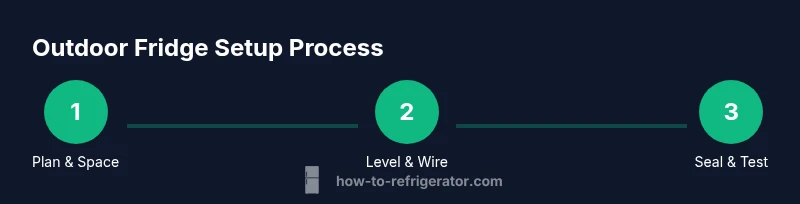
This step-by-step process helps minimize issues during operation and ensures a safe, reliable installation. See the accompanying diagrams for reference.
Weatherproofing, Seals, and Safety Checks
Weatherproofing is the backbone of outdoor fridge performance. Inspect door seals for any cracks, tears, or gaps that could let warm air in or moisture in. Replace damaged gaskets and apply weather-rated sealant where needed, especially around any hinge areas. Sealing joints around the base or cabinetry prevents water intrusion and corrosion. For climates with freezing temperatures, consider a protective cover during off-season storage; ensure any cover is breathable to avoid moisture buildup. Confirm that all external panels are tightly fastened and that there is no visible corrosion on hinges or hardware. Electrical safety is critical: install a weatherproof outlet enclosure, keep cords off wet surfaces, and use a grounded outlet with proper weatherproofing caps. Regularly inspect for moisture condensation on the inside of the doors, which can indicate improper sealing or ventilation. Routine checks prevent energy waste and extend the unit’s life.
The How To Refrigerator Team emphasizes that weatherproofing is not cosmetic; it directly influences reliability and efficiency.
Maintenance Schedule, Cleaning, and Defrosting
Maintenance is how you keep an outdoor refrigerator performing at its best year after year. Create a simple calendar that includes quarterly checks of door seals, condenser coils, and the power connection. Clean the interior shelves and drawers with mild soap and warm water to remove food residues that can attract pests or odors. Vacuum or brush condenser coils every 3-6 months to maintain heat exchange efficiency; a clogged condenser forces the compressor to work harder and can shorten its life. Inspect door gaskets for stiffness and tears—replace when necessary to preserve energy efficiency. If your model has a defrost function, follow the manufacturer’s guidelines for defrosting intervals to prevent ice buildup that impairs cooling. Keep the exterior clean and dry to avoid corrosion. Use a soft cloth and a non-abrasive cleaner on stainless steel finishes to preserve appearance and prevent pitting. A good maintenance routine saves energy and extends the appliance’s lifespan. How To Refrigerator’s guidance is to schedule reminders and use the appliance’s built-in diagnostics if available.
Troubleshooting Common Issues and Quick Fixes
Even the best outdoor fridges can experience issues. If the unit isn’t cooling properly, first check the thermostat setting and door seals. A door that doesn’t seal completely lets warm air in and can cause frost buildup. Listen for unusual compressor noises; a loud hum or clunk can indicate loose fittings or a partially blocked condenser. If the unit seems to run continuously, confirm that the condenser coils are free of dust and debris. For water leakage or unusual condensation on doors, inspect drainage paths and seals. A simple reset on some models can clear minor electronic glitches. For persistent problems, consult the manual for troubleshooting steps or contact a qualified technician. Keeping a basic maintenance log helps you spot patterns and plan repairs before expensive failures occur. How To Refrigerator Team recommends documenting common issues and associated fixes to speed future repairs.
Authority Sources and Practical References
For homeowners seeking further guidance, consult reputable sources on outdoor electrical safety, refrigeration efficiency, and weatherproofing standards. These references provide context for installation best practices and code compliance:
- U.S. Department of Energy: Energy efficiency tips for outdoor appliances and weatherproofing considerations. https://www.energy.gov/
- National Institute of Standards and Technology (NIST): Guidelines on electrical safety and equipment installation. https://www.nist.gov/
- Environmental Protection Agency (EPA): Guidance on energy ratings and environmental considerations for cooling equipment. https://www.epa.gov/
When in doubt, consult local building codes or an licensed electrician to ensure all work meets your area’s safety standards. How To Refrigerator recommends cross-checking these sources when planning improvements or purchasing decisions.
Authority sources and practical references (continued)
Additional reference points include manufacturer installation manuals and reputable home improvement channels. Always verify that the model you choose matches outdoor usage expectations and is compatible with your climate and electrical infrastructure.
Tools & Materials
- Measuring tape(Measure installation space and clearance around the unit)
- Level(Ensure fridge sits evenly on the base)
- Cord with outdoor-rated plug(Dedicated outdoor outlet, GFCI protected)
- Weatherproof outlet box(Protection against rain and splashes)
- Silicone sealant(Seal minor gaps around cabinetry)
- Soft cloths and mild cleaner(Interior and exterior cleaning)
- Screwdriver set(Tool for mounting screws and panels)
- Cordless drill with masonry bit(Anchor into stone or concrete bases)
- Thermometer/Hygrometer combo(Monitor internal climate conditions)
- Maintenance logs(Track servicing and part replacements)
Steps
Estimated time: 60-90 minutes (installation) + ongoing maintenance
- 1
Plan and measure installation space
Measure the intended location to ensure adequate clearance for airflow and door swing. Sketch placement and note nearby electrical access. This planning reduces surprises during delivery and ensures you choose a model that fits with your outdoor layout.
Tip: Double-check clearance for the condenser grille; blocked airflow wastes energy and shortens life. - 2
Prepare the surface and level the unit
Place the fridge on a flat, dry surface and use a level to confirm it sits evenly. If the ground is uneven, use shims or a stable base to prevent rocking and uneven door alignment, which can compromise seals.
Tip: Avoid soft or uneven ground that can settle after installation. - 3
Connect power safely
Install a weatherproof outdoor outlet box with a GFCI-protected circuit. Use an outdoor-rated cord only if the appliance manual allows it; otherwise run a dedicated circuit from the breaker panel and keep the outlet away from splash zones.
Tip: Label the circuit clearly and keep the plug connection off wet surfaces. - 4
Seal and protect the cabinetry
Inspect door gaskets for wear and replace if needed. Apply silicone sealant to any visible seams and ensure the unit is free from moisture intrusion at the base.
Tip: Test the door seal by closing with a piece of paper; if the paper slides out easily, the gasket needs adjustment. - 5
Test cooling and airflow
Power the unit and set the thermostat to a comfortable level. Observe the compressor running and ensure there’s no abnormal noise. Check that airflow around the condenser remains unobstructed.
Tip: Run the fridge empty for a few hours to verify cooling stability before loading contents. - 6
Create a maintenance plan
Establish a quarterly routine for cleaning coils, inspecting seals, and checking the wiring. Keep a log of services and any part replacements for future reference.
Tip: Set calendar reminders so maintenance isn’t forgotten during busy seasons.
FAQ
Do outdoor refrigerators need a special electrical setup?
Yes. Outdoor refrigerators require a dedicated, weatherproof outlet on a GFCI-protected circuit. Avoid using indoor outlets or extension cords rated for indoor use.
Outdoor fridges should be on a dedicated outdoor outlet with GFCI protection to prevent shocks and electrical fires.
Can I put an outdoor fridge under a covered patio?
A covered patio helps protect from rain, but you still need proper ventilation and a weatherproof enclosure. Check the IP rating and ensure the unit isn’t exposed to direct spray from sprinklers or rain.
Yes, but ensure good ventilation and weatherproofing; cover only if it’s breathable and designed for outdoor use.
What temperature should an outdoor fridge maintain?
Aim for a stable interior temperature around 35-38°F (1-3°C) for fresh foods. A separate freezer section can be kept around 0°F (-18°C) if your unit offers it. Use the built-in thermostat and monitor with a thermometer.
Keep beverages and perishables cold by targeting about 35 to 38 degrees Fahrenheit, with a separate freezer if available.
How weatherproof is an outdoor refrigerator?
Outdoor fridges are designed with weatherproof cabinets and seals, but performance depends on climate. Regularly inspect seals and vents, and use protective covers during long idle periods to prevent moisture build-up.
They’re built for weather, but you still need to check seals and vents and cover them when not in use.
How often should I clean the condenser coils?
Clean coils every 3–6 months or sooner if you notice reduced cooling efficiency. A dusty condenser forces the compressor to work harder, shortening its life.
Clean the coils a few times a year to keep cooling efficient and extend the unit’s life.
Is an outdoor fridge safe in extreme cold?
Extreme cold can cause refrigerant pressure changes. If temperatures regularly drop below freezing, consider a model rated for harsh climates or install it where warmth from nearby structures provides some protection.
If you’re in freezing weather, choose a model designed for cold climates or place it where it’s sheltered.
Watch Video
Top Takeaways
- Choose weatherproof design with solid seals and insulation.
- Plan location with airflow, shade, and safe electrical access.
- Follow a step-by-step installation and maintain a regular service plan.
- Inspect seals, clean coils, and monitor temperatures to extend life.
- Consult official sources and manufacturer manuals for safety compliance.