How to Repair and Maintain a Refrigerator Glass Door
Learn to diagnose and fix common refrigerator glass door issues. This How To Refrigerator guide covers gasket care, door alignment, cleaning, and safe, step-by-step maintenance.


With a refrigerator glass door, you’ll tackle common problems such as condensation, seal gaps, misalignment, and loose hinges. In this guide you will learn how to diagnose issues, verify door alignment, clean seals, and perform safe adjustments. Follow the step-by-step instructions to restore a tight seal and improve efficiency dramatically.
Diagnosing Condensation, Leaks, and Fog on a Refrigerator Glass Door
Condensation around a refrigerator glass door is a common symptom of a seal or level issue. According to How To Refrigerator, the root cause often lies in imperfect sealing, door misalignment, or an out-of-level cabinet allowing warm air to creep in. Look for moisture on the outside of the door, frost near the hinge, or water dripping onto the floor. Keep a log of when the symptoms occur to identify patterns. Use a flashlight to inspect the gasket along the entire perimeter; a light must pass through the seal evenly when closed. If you see gaps, tears, or hardening, you’re likely due for gasket maintenance or replacement. For fog between glass panes, check for cracked insulation or seal leaks in the door frame. While these symptoms are discouraging, many issues are solvable with careful inspection and targeted adjustments.
Key Components That Affect a Refrigerator Glass Door
Glass doors add aesthetic appeal but require precise integration of several parts. The primary components are the door gasket (the flexible seal around the opening), hinges (top and bottom), door alignment hardware, and the cabinet itself (frame flatness, level). If any part is worn or damaged, warm kitchen air can bypass the seal and cause condensation, frost, or leaks. Additionally, the frame around a glass door can warp slightly with temperature changes, altering seal contact. Consider also the interior shelf arrangement; if shelves protrude, they can push the door out of alignment, creating gaps where air sneaks in. Regular inspection of these elements helps catch problems early and prevents energy waste. When shopping for replacements, choose gasket materials that match your fridge model and climate; a mismatched gasket can worsen sealing performance.
How to Inspect and Clean the Gasket and Seals
Cleaning is the first line of defense. Remove the door gasket from the groove gently where possible and wipe with a mild soapy solution, then dry thoroughly. Inspect for cracks, tears, or stiff spots; a flexible gasket remains airtight, while a brittle one lets air leak. Run a test: with the door closed, press a tissue along the seam; if the tissue sticks, the seal is effective; if it slides, the seal is compromised. Re-seating the gasket may fix minor misalignment; use a flat tool to tuck it evenly back into the groove. Do not bend metal fittings or force the gasket into place. After cleaning, leave the door ajar for a few minutes to let any remaining moisture evaporate before reloading food.
Step-by-Step Overview for Alignment and Sealing
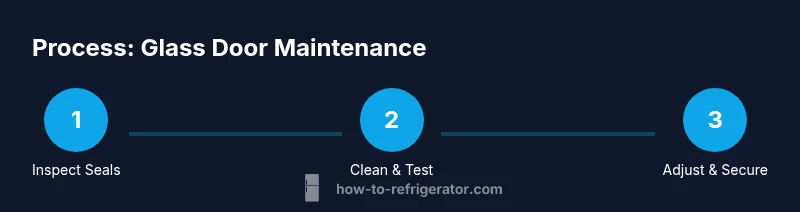
This section outlines practical guidance to improve seal contact and door alignment without specialized tools. Start by visually inspecting the top and bottom gaps; if the gap is wider on one side, the door is misaligned. Use a level across the top edge to verify true horizontal alignment, then adjust hinges or shims as needed. When tightening screws, do so gradually and in small increments to avoid bending the door frame. Recheck the level and readjust until the door closes with a firm seal and minimal air leakage. For tricky cases, refer to your appliance manual or model-specific diagrams. See accompanying diagrams for reference.
Preventive Maintenance and Seasonal Checks
Preventive care reduces the risk of recurring issues. Schedule a monthly glance at door seals, lubrication points if recommended by your model, and a quarterly clean of the gasket grooves. Keep condenser coils clean; a dirty coil forces the compressor, which can indirectly affect door performance by causing excess condensation. Always store items away from the door edge to prevent additional pressure on seals. If you notice persistent fogging after a cleaning and leveling, re-check seal seating and take measurements to confirm the door is square. Document any replacements for warranty or future service.
When to Replace Parts or Call a Professional
Many refrigerator glass door issues are solvable with gasket cleaning, tightening, or adjusting alignment, but some signs indicate replacement or professional help. If the door gasket shows cracks, tears, or swelling, replace it promptly. If the glass panel is cracked, or if the door frame is bent beyond simple adjustment, contact a qualified technician. If the unit lacks proper cooling despite seal integrity, a refrigerant or compressor issue may be present and requires a service visit. The goal is to restore a tight seal and safe operation without compromising safety.
Tools & Materials
- Phillips-head screwdriver(Size #2 or appropriate for your hinges)
- Flat-head screwdriver(For adjusters and shims)
- Torx driver set(Only if screws use Torx heads)
- Measuring tape(For door alignment measurements)
- Bubble level(To ensure the unit is level)
- Soft microfiber cloths(For cleaning seals and glass)
- Mild detergent or vinegar solution(Gentle cleaning solution)
- Replacement door gasket (optional)(Only if gasket is damaged)
Steps
Estimated time: 30-45 minutes
- 1
Unplug and Prep the Work Area
Power down the fridge and remove items from the door area. Place a towel on the floor to catch condensation and avoid spills. This keeps you safe and prevents food contamination during inspection.
Tip: Always unplug before touching electrical components and keep the door closed while prepping. - 2
Inspect Gasket and Clean Corners
Carefully remove the gasket from grooves if possible. Clean with warm soapy water and a microfiber cloth, then dry completely. Look for cracks, stiffness, or tears at corners and long sides.
Tip: Do not twist or yank; gentle pressure preserves gasket integrity. - 3
Check Door Alignment
Close the door slowly and observe whether it sits evenly along the frame. If one edge appears high or low, you may need hinge shims or screw adjustments.
Tip: Use a level to verify alignment across the top edge. - 4
Level the Refrigerator Cabinet
Place a level on the top of the unit and adjust front feet or rollers as needed to achieve a level stance. Recheck side gaps after leveling.
Tip: Make small, incremental adjustments to avoid overcorrecting. - 5
Re-seat Gasket and Test Seal
Reinsert the gasket evenly into its groove. Close the door and test the seal by pressing a tissue along the seam; if it sticks, the seal is good. If it slides, readjust.
Tip: Take your time to ensure an even seating around full perimeter. - 6
Reconnect Power and Observe
Plug the fridge back in and monitor for 24 hours. Check for condensation patterns and door closure every few hours, especially after loading or unloading groceries.
Tip: Keep a diary of observations for future reference. - 7
Decide on Replacement vs Repair
If condensation persists after adjustments or the glass is cracked, consider a professional evaluation or part replacement. Safety first—avoid DIY repairs that compromise glass integrity.
Tip: Document wear patterns and any replacements for warranty records.
FAQ
What causes condensation on a refrigerator glass door?
Condensation occurs when warm air meets the cold surface around the door seal or when the seal is compromised. Gaps, misalignment, or a dirty gasket can contribute to moisture buildup. By tightening seals and leveling the unit, you reduce outdoor air intrusion.
Condensation happens when warm air leaks in or the seal isn’t sealing properly, so fixing the seal and leveling helps reduce moisture.
How do I know if my gasket needs replacement?
Look for cracks, tears, stiffness, or swelling in the gasket. If cleaning and reseating don’t restore a tight seal, replacement is usually the best option.
If the gasket cracks or won’t seal after cleaning, it’s time to replace it.
Can I adjust door alignment myself?
Yes. With the right tools, you can adjust hinges and use shims to correct misalignment. Be patient and verify with a level as you go.
You can fix alignment by adjusting hinges and using shims, then rechecking with a level.
Is replacing a gasket a DIY job?
Replacing a gasket is often a doable DIY task if you have the correct model-specific gasket and follow the instructions. If unsure, consult the manual or a pro.
Gasket replacement can be DIY if you have the right part and follow the steps carefully.
How long should I unplug the fridge before maintenance?
Unplugging for 5-10 minutes is generally sufficient for safety when performing minor inspections. Don’t leave it unplugged longer than needed to avoid temperature rise in stored food.
If you’re just inspecting, 5 to 10 minutes is enough to be safe.
When should I call a professional?
If the glass is cracked, the door frame is bent, or the cooling issue persists despite a good seal, a technician should evaluate the system for safety and proper operation.
If the glass is cracked or cooling remains off after fixes, call a professional.
Watch Video
Top Takeaways
- Inspect seals and hinges regularly
- Keep the unit level for proper sealing
- Clean gaskets gently to maintain elasticity
- Test door closure with a tissue for leaks
- Replace damaged seals promptly