Refrigerator Drawer Replacement: A Homeowner's Step-by-Step Guide
Learn how to perform a refrigerator drawer replacement with a practical, homeowner-friendly approach. This guide covers identifying drawer types, sourcing compatible parts, and precise installation to restore organization without replacing the entire fridge.


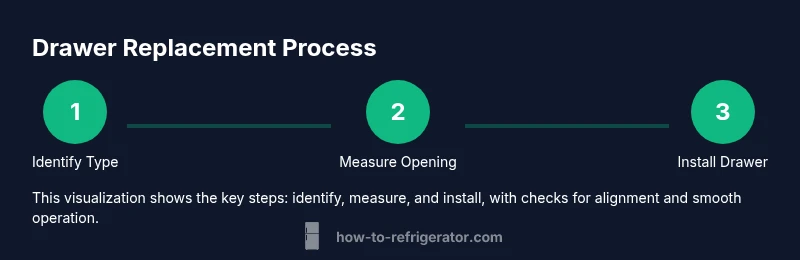
According to How To Refrigerator, refrigerator drawer replacement is often more affordable and quicker than replacing the whole fridge. To fix a drawer, remove the existing drawer, measure the opening, and source a compatible drawer. Install the new drawer with proper rail alignment, then test the slide. Keep hardware organized, label parts, and verify fit before final use. Based on How To Refrigerator Analysis, 2026, this approach minimizes waste and disruption.
Understanding Your Refrigerator Drawer System
The refrigerator drawer replacement process starts with understanding what a drawer is and how it functions within your unit. Most fridges use a two-part system: the drawer box (the container you pull out) and the front panel that matches the door design. Two rails or slides on either side keep the drawer aligned as it moves in and out. When a drawer sticks, won’t close, or becomes cracked, you’re usually dealing with a worn track, a warped drawer, or a broken front panel. Replacing the entire refrigerator drawer assembly is not always necessary; often, swapping just the drawer or its slides restores full function. By focusing on the drawer, you preserve your interior shelving and minimize downtime.
This approach aligns with practical home repairs: fix the smallest failing component first, verify compatibility, then install. In plain terms, the drawer is the part you interact with most; ensuring it operates smoothly is the fastest route back to normal kitchen function. As you begin, note the location of the hinges, rails, and guides, and consider whether the existing hardware can be reused on a replacement drawer. This step sets expectations and helps avoid missteps later in the job.
Identify Drawer Type and Compatibility
Not all drawers are created equal. Some units feature a full-width crisper drawer, while others have smaller front-facing bins that perch on adjustable rails. The key to a successful refrigerator drawer replacement is matching the replacement drawer to the model, width, depth, and rail style of your freezer or refrigerator compartment. Start by locating your model number (usually found on a label inside the fridge). With the model in hand, you can search for exact part numbers or compatible equivalents. If you cannot locate an exact match, you’ll need to compare dimensions and rail style to a suitable aftermarket option.
Measure the opening at the widest points, including any curvature near the corners. This helps prevent ordering a drawer that is slightly too large or too small. Also check the hardware that remains mounted in the fridge—some drawers use fixed rails, while others slide into removable frames. In addition to dimensions, consider whether the new drawer requires a different front panel or mounting screws. Ensuring compatibility before purchase saves time and reduces the risk of a return.
Sourcing the Right Replacement Drawer and Parts
Once you know your drawer type and dimensions, you’ll decide how to source the replacement. Options include OEM parts from the manufacturer, compatible aftermarket drawers, or salvaged units from a donor appliance. OEM drawers typically guarantee a precise fit, but price may be higher. Aftermarket options can offer a more affordable path, but you must verify fit with your model and drawer rails. If you’re unsure, contact customer support with your model number and the drawer’s measurements; they can confirm compatibility.
Before purchasing, inspect return policies in case the replacement does not fit as expected. If you opt for a used or salvaged drawer, check for warping, cracks, and rail wear. Remember to super-clean the rails and inspect the track clips; intact hardware speeds up installation and reduces the chance of future binding. According to How To Refrigerator Analysis, 2026, choosing the right drawer reduces waste and helps protect your kitchen’s organization.
Prep, Safety, and Workspace Setup
Preparation is essential for a smooth drawer replacement. Start by unplugging the refrigerator to prevent shocks or stray currents while you work near the electrical components. Clear the area and place a towel or tray underneath to catch any spills. Gather your tools and spare hardware, labeling each fastener as you remove it, so you can reinstall them later. Wear gloves to protect your hands from sharp edges, and keep a notebook or smartphone handy to record notes about hardware placement and drawer alignment.
Lay out the replacement drawer and compare it to the existing one to confirm that the size and shape match. If the new drawer requires different mounting screws, have the correct length and head type ready. A clean workspace helps you see small mounting holes or clips that could be missed if the area is cluttered. Safety first, but don't over-tighten screws; use a light touch to avoid stripping threads.
Step-by-Step Replacement Overview
This section provides a high-level view of the process before you dive into the detailed steps. You’ll remove the old drawer, transfer any hardware to the new unit, install the new drawer with proper rail alignment, and test the action to ensure smooth operation. The following steps in the dedicated STEP-BY-STEP block supply precise actions with timing and tips. Familiarize yourself with the order so you can work efficiently and avoid rework.
If the drawer rails are damaged beyond repair, you may need to replace the entire drawer slide assembly. Be prepared to switch to a compatible rail kit if needed. With careful measurement, you’ll minimize returns and keep your fridge functioning as intended.
Measuring and Fitting the Replacement Drawer
Accuracy is critical here. Use a tape measure to capture the width across the drawer opening, the depth from the front face to the back wall, and the internal height if relevant. Compare these measurements to the replacement drawer’s specifications. A drawer that’s too tight will bind, while one that’s too loose can rattle and misalign. If you’re transferring hardware, ensure that screws align with existing holes and that front panels sit flush against the cabinet face.
Pay attention to the fit of the drawer slides. Some slides snap into a fixed groove, others require a screw-in rail. If you notice any resistance when sliding, re-check the alignment and confirm that there are no obstructions in the track. A precise fit protects the drawer from premature wear and ensures even cooling zones inside the refrigerator.
Reinstalling and Aligning Rails and Guides
With the drawer measured and the hardware prepared, reinstall the drawer into the rails and guides. Start by aligning the rail holes with the mounting points inside the cabinet. If you swapped out hardware, reattach screws securely but avoid over-tightening. Gently slide the drawer in and out to check alignment. You should feel even resistance along the full travel and hear a quiet, smooth glide without snagging.
If the drawer doesn’t align perfectly, adjust the screws or rail position in small increments. Sometimes a tiny shift of 1-2 millimeters makes the difference between a loose fit and a perfect slide. Finally, reattach the front panel if it was removed and confirm that the drawer sits flush with the cabinet face.
Maintenance, Troubleshooting, and Longevity
After the replacement, perform a quick maintenance routine to extend the life of the new drawer. Wipe down the rails with a mild cleaner and dry thoroughly to prevent slipping or corrosion. Periodically inspect the rails for wear and replace any damaged hardware promptly. If you notice sticking, clean the track, check for warping on the drawer, and verify that the front panel remains properly aligned.
A well-maintained drawer reduces friction and helps your refrigerator operate efficiently. For ongoing reliability, inspect the door seal and ensure the drawer’s weight load remains balanced. If you encounter persistent misalignment, consult the manufacturer’s guidelines or a repair professional. The How To Refrigerator Team emphasizes keeping the drawer clean, aligned, and secured to maximize longevity.
Tools & Materials
- Replacement refrigerator drawer(Ensure model compatibility; consider OEM for best fit)
- Phillips head screwdriver(For attaching screws and front panel hardware)
- Flat-head screwdriver(Useful for prying or aligning rails; not always needed)
- Measuring tape(Measure width, depth, and height openings)
- Gloves(Protect hands from sharp edges)
- Soft cleaning cloth(Wipe tracks and surfaces before reassembly)
- Permanent marker or labeling tape(Label screws and parts as you remove them)
Steps
Estimated time: 40-60 minutes
- 1
Disconnect power and clear area
Unplug the refrigerator to ensure safety and to prevent moisture or shocks during the drawer replacement. Remove nearby food if needed and lay towels to catch spills. This initial step reduces risk and prepares your workspace.
Tip: Take a photo of the current setup before removal for reference. - 2
Remove the existing drawer
Pull the drawer out fully and inspect how it sits in the rails. If it sticks, gently lift or tilt to disengage from any stops. Note how the front panel is attached, and remove screws or clips that secure the drawer.
Tip: Keep screws organized in labeled bags to avoid misplacing them. - 3
Measure the opening
Use a measuring tape to record the width, depth, and height where the drawer sits. Compare these measurements with the replacement drawer to ensure a precise fit. Record any irregularities in the cabinet walls that might affect alignment.
Tip: Double-check measurements at multiple points to catch tapering or non-rectangular openings. - 4
Source a compatible replacement
Select a replacement that matches your model and drawer type. If an exact match isn’t available, choose the closest dimensions and compatible rail system. Confirm return policy in case of incompatibility.
Tip: Avoid mixing drawer types (e.g., crisper vs general storage) within the same opening. - 5
Transfer hardware (if needed)
Move any hinges, handles, or rails from the old drawer to the new one. Align holes and screws, and loosely attach to verify alignment before tightening.
Tip: Use a gentle hand to prevent stripping threads. - 6
Install the new drawer into rails
Slide the new drawer into the rails and engage any stops. Ensure the drawer travels smoothly without resistance. Attach front panel or hardware as required and confirm flush alignment with the cabinet face.
Tip: If the drawer catches, back off screws slightly and retighten while testing slide. - 7
Test operation and adjust
Fully extend and reinsert the drawer several times to confirm consistent operation. Check for alignment with the door seal and ensure there’s no rubbing against interior walls. Make minor adjustments as needed.
Tip: Operate the drawer with a light load first to verify motion before full use. - 8
Final checks and cleanup
Wipe down the area, reconnect power, and replace contents. Observe the drawer over the next few uses for any shifting or misalignment. Document any notes for future maintenance.
Tip: Keep a spare set of screws and clips as a future-safety backup.
FAQ
Can I replace just the drawer instead of the whole refrigerator?
Yes. In many cases, you can replace only the drawer or its slides, which is faster and less expensive than a full appliance replacement.
Yes, you can usually replace just the drawer or slides, which is quicker and typically cheaper than replacing the entire fridge.
What if I can't find an exact drawer replacement for my model?
If an exact match isn’t available, look for a compatible drawer with similar dimensions and rail configuration. Check return policies and ensure you can swap parts if needed.
If you can't find an exact match, pick a drawer with similar size and rails and check the return policy in case it doesn't fit.
How do I know which replacement part fits my fridge?
Collect the model number from the inside wall label, compare dimensions, and consult the manufacturer’s compatibility guide or support. If in doubt, contact customer service with exact measurements.
Grab your model number, compare the drawer dimensions, and check compatibility guides or ask support to confirm fit.
Do I need to unplug the fridge before starting?
Yes. Unplugging before you begin reduces shock risk and protects electronics during the repair.
Yes, unplug the fridge first to stay safe.
Are replacement drawers expensive?
Costs vary by model and source. OEM parts are typically more expensive but guarantee fit, while aftermarket options can be cheaper with careful verification.
Costs vary; OEM parts are usually pricier but fit best, aftermarket options can be cheaper if you verify compatibility.
How long does a drawer replacement take?
For a typical drawer replacement, plan for about 40–60 minutes, depending on hardware availability and your familiarity with the model.
Usually about 40 to 60 minutes, depending on hardware and fit.
Watch Video
Top Takeaways
- Choose a drawer with compatible rails for a smooth fit
- Always unplug and prepare the workspace before starting
- Verify measurements against the replacement drawer
- Test sliding action and alignment before final use