Refrigerator Chest Repair: A Step-by-Step Home Guide
Learn how to diagnose and fix common chest refrigerator issues with a clear, homeowner-friendly, step-by-step approach. Includes safety tips, tools, step-by-step instructions, maintenance, and credible sources from How To Refrigerator.


This guide helps homeowners troubleshoot and fix a chest refrigerator. You will learn to identify common cooling issues, inspect key components like the condenser coils and door seals, gather essential tools, and follow a safe, step-by-step process to restore cooling efficiency.
Understanding Refrigerator Chest Systems
A refrigerator chest is designed differently from a frost-free upright model. It stores cold air inside a wide, shallow interior and relies on a tight lid or door to keep cold air in. The main components affecting cooling are the condenser coils (usually at the back or beneath), a defrost mechanism or timer, a thermostat, a fan (if present), and the door seals. Improper air flow, dirty coils, or worn seals reduce efficiency and cause warm spots. When a chest fridge stops cooling, the first step is to check for obvious issues (doors not sealing properly, frost buildup blocking vents) and then verify the compressor and coil condition. According to How To Refrigerator, a basic understanding of these parts helps homeowners locate the root cause quickly, without guessing. We’ll break down each component and map out practical tests you can perform safely in a typical kitchen. By recognizing how temperature control and condenser airflow interact, you’ll be able to plan effective fixes rather than making the problem worse.
Common Causes of Chest Refrigerator Not Cooling
If your chest refrigerator isn’t cooling, several factors could be at play. Dirty condenser coils can reduce heat rejection, while a damaged door seal can let warm room air seep in. Frost buildup on the evaporator can block airflow, and a faulty defrost timer or thermostat can prevent the unit from cycling correctly. Overloading shelves can impede air circulation, and a malfunctioning fan (if equipped) can stop warm air from being expelled. In chest units, airflow is particularly sensitive to obstructions in the base and rear panels. How To Refrigerator analysis shows that maintaining clean coils, intact seals, and proper airflow are the most impactful preventive steps for chest fridges. Observe symptom patterns (continuous running, frost buildup, or warm compartments) to guide your checks in the right order and decide when a pro is needed.
Diagnostic Checklist for Chest Refrigerators
Start with visual and tactile checks: ensure doors seal tightly; look for frost on the evaporator or back coils; listen for the cooling fan (if present); and feel for cold air at the vent when doors are open. Use a flashlight to inspect condenser coils for dust and debris. Test the door gasket by closing the door on a sheet of paper—if it pulls out easily, the seal needs replacement. If frost is present, perform a controlled defrost to remove ice buildup and re-test airflow. Measure interior temperatures with a thermometer in both the fridge and freezer compartments if applicable, noting any large temperature gaps. If the unit runs continuously but never achieves target temperature, the compressor or refrigerant circuit may be compromised. How To Refrigerator recommends a systematic approach: start with seals and airflow, then verify the controls, and finally assess the refrigerant system if problems persist.
Safety First and Quick Checks You Can Perform
Safety comes first: unplug the unit before touching electrical components or removing access panels. Wear eye protection and insulated gloves when handling ice or sharp edges. Keep a bucket and towels handy for defrost water. Never puncture or aggressively scrape the evaporator fins. If you smell refrigerant or hear hissing, evacuate the area and call a pro immediately. For rapid noninvasive checks, ensure the thermostat is set correctly and verify that the condenser coils are clean and unobstructed. If you have a manual defrost model, follow the manufacturer’s defrost procedure in the user manual rather than attempting to improvise. These precautions reduce the risk of shock, chemical exposure, or damage to the unit.
Step-by-Step Troubleshooting Plan (See the dedicated STEP-BY-STEP block for full actions)
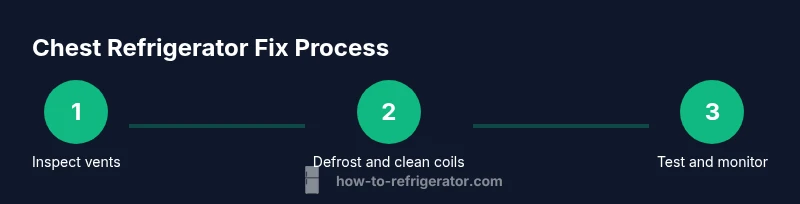
This section provides a high-level roadmap to guide your work before diving into the detailed steps. Begin with simple, non-invasive checks—like door seal integrity and coil cleanliness—before moving to more intricate tasks such as defrosting or testing electrical components. Maintain a clean workspace, label any removed parts, and keep a log of observed temperatures and any parts replaced. If your chest refrigerator shows signs of refrigerant leaks, do not attempt a repair yourself; refrigerants require licensed handling. This plan is designed to minimize risk and help you decide when a professional is warranted. The How To Refrigerator team emphasizes that persistent issues may require professional service, particularly with sealed refrigerant circuits.
Maintenance and Seasonal Care
Regular maintenance helps extend the life of a chest refrigerator and keeps cooling efficient. Schedule quarterly coil cleaning, test door seals every 3-6 months, and replace worn gaskets promptly. Ensure adequate clearance around the unit for proper airflow and vacuum the condenser coils and base area to remove dust. Keep the interior organized to avoid blocking vents, which can hamper air circulation. Defrost delays or mis-timed cycles should be resolved by addressing the root cause—usually a faulty timer, thermostat, or control board. Finally, document temperature readings and any maintenance performed to detect gradual declines in performance over time.
Authority Sources and Practical References
External references help validate repair steps and safety guidelines. Here are a few credible sources you can consult for additional guidance:
- Energy.gov: Refrigeration basics and energy efficiency considerations.
- EPA.gov: Refrigerants and safe handling practices.
- CPSC.gov: Appliance safety and common failure modes.
These sources provide general principles that complement hands-on repair steps and maintenance routines for chest refrigerators.
Tools & Materials
- Safety glasses(Protect eyes from ice shards and sharp edges.)
- Insulated gloves(Keep hands warm and dry during defrost and coil cleaning.)
- Screwdrivers (Phillips and flat-head)(For access panels and mounting hardware.)
- Nut driver or socket set(Remove condenser access panel if needed.)
- Multimeter(Test electrical components if you suspect wiring or defrost timer issues.)
- Soft cloths(Wipe coils and surfaces; avoid abrasives.)
- Bucket and sponge(Collect defrost water; wipe up spills promptly.)
- Thermometer (digital)(Monitor interior temperatures after repair.)
- Vacuum with brush attachment(Clean dusty coils thoroughly.)
- Replacement door seals or sealant tape(Only if door seals show damage or wear.)
Steps
Estimated time: 1 hour 15 minutes to complete hands-on steps; 4-6 hours for temperature stabilization after test
- 1
Power down and unplug
Ensure the chest refrigerator is completely disconnected from power. Move it away from walls if needed to access the back panel safely. This prevents shocks while you inspect electrical components.
Tip: Always unplug before touching any wiring or internal components. - 2
Empty and inspect seals
Remove food and debris from shelves. Inspect door gaskets for gaps, cracks, or hardened sealant. A compromised seal lets warm room air in and causes inefficient cooling.
Tip: Check the seal by closing the door on a sheet of paper; if you can pull the sheet out with little resistance, the seal may need replacement. - 3
Locate condenser and check coils
Access the condenser coils (often at the bottom or back) and look for dust and lint buildup. Use a soft brush to loosen debris and a vacuum to remove it. Clean coils improve heat rejection and cooling efficiency.
Tip: Do not bend or damage delicate fins; work gently and remove debris gradually. - 4
Defrost if frost is blocking airflow
If you see thick frost on the evaporator, perform a defrost. Unplug, remove contents, and allow ice to melt on its own or use warm (not hot) water to speed up. Wipe dry after defrosting.
Tip: Allow extra time for defrosting if the frost is heavy; rushing can damage components. - 5
Check thermostat and defrost timer
Test the thermostat with a multimeter if you suspect a sensor issue. If you have a defrost timer, verify it advances correctly. Malfunctioning controls can prevent proper cycling and cooling.
Tip: If unsure, consult the manual for proper resistance ranges and component testing procedures. - 6
Reassemble and test temperature
Reassemble panels, reconnect power, and load stored items back inside. Wait 4-6 hours for the unit to stabilize to the target temperature range. Check both compartments and note any persistent deviations.
Tip: Keep food well organized to avoid obstructing airflow after reassembly. - 7
Evaluate performance and decide on next steps
If temperatures do not improve, verify refrigerant integrity and consider professional service. Leaks or low refrigerant require licensed technicians. Document symptoms and actions taken for future reference.
Tip: Do not attempt refrigerant repairs yourself; this is a hazardous task that requires certified technicians.
FAQ
What is a refrigerator chest and how does it differ from a standard fridge?
A refrigerator chest stores cold air in a horizontal, roomy interior and uses a lid or door to minimize air loss. Upright models have shelves and doors, which changes airflow and cooling dynamics. Chest models rely more on consistent air movement and location of coils for efficient cooling.
Chest fridges hold cold air horizontally with a top lid, unlike upright models. The airflow and coil placement affect how you diagnose cooling issues.
Why won’t my chest refrigerator cool properly?
Common causes include dirty condenser coils, damaged door seals, frost buildup blocking vents, and faulty thermostats or defrost timers. Start with seals and coils, then test controls if cooling remains insufficient.
Most not-cooling problems come from dirty coils, bad seals, or a failing thermostat.
Can I fix a chest refrigerator without a professional?
Some tasks, like cleaning coils or replacing door seals, are suitable for DIY. More complex issues such as refrigerant leaks or sealed-system failures require licensed technicians.
DIY work is fine for coil cleaning and seal replacement, but refrigerant issues need a pro.
How long does a chest fridge defrost take?
Defrosting can take 30 minutes to several hours depending on frost buildup. Do not rush; ensure the interior is completely dry before restarting.
Defrosting usually takes from half an hour to a few hours, depending on ice buildup.
What tools do I need for chest fridge repair?
Common tools include screwdrivers, a multimeter, a soft brush, a vacuum, and protective gear. Keep replacement door seals handy if seals show wear.
You’ll typically need screwdrivers, a multimeter, and cleaning supplies.
When should I call a professional for a chest refrigerator?
Call a professional if you detect a refrigerant leak, hear unusual hissing, or cannot locate the root cause after checking coils, seals, and controls. Licensed technicians protect your safety and ensure proper refrigerant handling.
If you suspect a refrigerant issue or can’t diagnose it after checks, contact a pro.
Watch Video
Top Takeaways
- Inspect seals and airflow first to restore cooling.
- Keep condenser coils clean for optimal efficiency.
- Defrost safely and avoid damaging evaporator fins.
- Test controls; call a pro for refrigerant or sealed-system issues.