Refrigerator and Freezer Repair: A Homeowner’s Step-by-Step Guide
Learn practical, safe techniques to diagnose and fix common refrigerator and freezer problems at home, with step-by-step instructions, essential tools, and safety tips.


You’ll diagnose and repair common refrigerator and freezer issues at home, safely and effectively. The guide covers not cooling, frost buildup, leaks, and noisy operation, plus the tools you need and a clear, actionable step-by-step plan. It also explains when a problem is DIY-friendly and when to call a professional.
Understanding Refrigerator and Freezer Repair for Homeowners
Repairing a refrigerator and freezer is a practical, money-saving skill for homeowners troubleshooting appliance issues. When you know what to check, you can prevent food spoilage, reduce energy waste, and extend the life of your appliances. According to How To Refrigerator, most fridge problems start with a simple diagnosis and a safety-first mindset. This guide covers the most common causes, a clear diagnostic approach, and step-by-step actions you can take safely. We’ll explore not only the how, but the why behind the symptoms you see, so you can make informed decisions about DIY fixes or professional help. The goal is to empower you to take control of your appliance repairs, reduce downtime, and protect your family’s food safety. By treating refrigerator and freezer repair as a manageable project, you’ll gain confidence in diagnosing symptoms, selecting the right tools, and following a proven process.
Common Causes of Not Cooling, Frost, and Leaks
Not cooling is the most urgent warning sign. Typical culprits include a faulty thermostat, a failed defrost timer, a dirty condenser coil, a blocked defrost drain, or a malfunctioning evaporator fan. Frost buildup occurs when the defrost system doesn’t remove frost, blocking airflow. Leaks often trace to blocked drain pans, cracked hoses, or a damaged door seal. How To Refrigerator analysis shows that many issues stem from dirty coils and clogged defrost drains. Regular checks can catch these early, saving energy and reducing water damage risk. Keep a log of symptoms and times; this helps you identify patterns that point to a faulty part rather than a loose connection. The analysis also suggests that routine maintenance, like coil cleaning every 6–12 months, dramatically reduces compressor workload and energy use over time.
Safety First: Power Down, Grounding, and Working Environment
Before touching any internal components, unplug the appliance and switch off any power at the wall. Do not rely on the door switch to disconnect power from the compressor; use the outlet plug itself. If you must work near water or damp surfaces, dry the area thoroughly and avoid standing water. Wear safety glasses and cut-resistant gloves to protect hands from sharp metal edges and coil fins. If your fridge uses an ice maker or water line, shut off the water supply to prevent leaks during service. Always work in a well-lit area with clear access to the back and underside of the appliance. Safety comes first in any refrigerator and freezer repair, and following these precautions minimizes the risk of electrical shock or injury.
Diagnostic Approach Without a Service Call
Start with non-invasive checks that don’t require disassembly. Confirm the unit is getting power and set correctly (temperature settings, modes like Energy Saver). Inspect door seals for gaps or cracks that let warm air in. Listen for the condenser fan when the compressor runs, and observe the coil area for excessive dust. If you hear unusual noises, note when they occur (compressor startup, cycling, hums) to help identify the culprit. Document any frost patterns, as uneven frost indicates airflow issues or a faulty defrost system. This non-destructive approach often reveals the most common culprits without expensive tests. How To Refrigerator emphasizes a methodical diagnosis: observe, test, and verify before replacing parts.
Step-by-Step Troubleshooting Overview
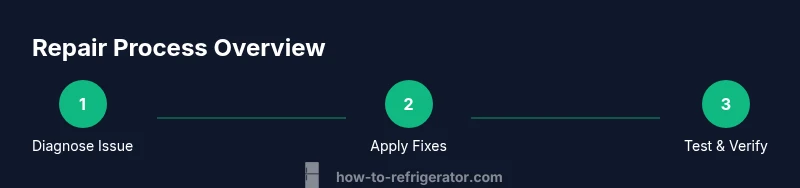
With a clear plan, you can tackle the problem methodically. Begin with power-related checks, then move to airflow, defrost, and sensors. The goal is to isolate the issue to a controllable area and determine if it’s a DIY fix or a repair that requires a professional. The key is to work in logical stages, not jump to part replacements. This approach minimizes risk and maximizes the chance of a successful home repair.
Basic DIY Tasks You Can Do Right Now
Many issues are fixable with simple maintenance. Start by cleaning the condenser coils using a soft brush or vacuum with a brush attachment to improve airflow. Check door gaskets for cracks or stiffness and replace them if needed. If frost forms rapidly, inspect the defrost drain and clear any blockages with a pipe cleaner or warm water. Replacing a clogged drain often resolves frost buildup and not-cooling symptoms. If your model uses a water filter, replacing it at the recommended interval can also improve overall performance. Remember to reassemble carefully and confirm that the door seals properly after maintenance.
When to Call a Professional and How to Find One
If you encounter refrigerant smells, buzzing that persists after cleaning, or signs of cooling system failure that you cannot confidently diagnose, it’s time to contact a licensed technician. Refrigeration systems involve high voltages and sealed refrigerant circuits; improper handling can be dangerous and may void warranties. Seek a technician who specializes in residential refrigeration, uses up-to-date diagnostic tools, and offers a clear written estimate. Ask about warranties on labor and parts, and verify any guarantees in writing. If you’ve recently purchased an extended warranty, check the terms before scheduling a service call. The decision to call a pro is a smart choice when the repair involves components like the compressor, refrigerant, or sealed lines.
Maintenance to Extend Life and Prevent Future Breakdowns
Preventive maintenance is the best defense against sudden fridge failures. Clean condenser coils every 6–12 months, depending on your environment. Check door seals periodically, replace worn gaskets promptly, and avoid overpacking the fridge, which restricts airflow. Keep the back of the appliance free of dust and ensure the room temperature is within the manufacturer’s recommended range. Regular temperature checks help you spot drift early, and keeping a simple maintenance log helps you track issues over time. Small, consistent upkeep can significantly extend the life of your refrigerator and freezer and reduce energy consumption.
Tools & Materials
- Safety gear (gloves, safety goggles)(Protect hands and eyes from sharp edges and refrigerant-related risks.)
- Digital multimeter(For testing voltage, continuity, and sensor resistance.)
- Screwdrivers (Phillips #2 and flathead)(Access panels and electrical terminals.)
- Nut driver or small socket set(Remove covers and access fasteners.)
- Vacuum with brush attachment(Clean condenser coils and avoid dust buildup.)
- Soft brush and microfiber cloth(Gently remove dust from coils and components.)
- Mild dish soap and coil cleaner(Clean surfaces without chemical damage.)
- Towel or absorbent mat(Contain spills when draining or cleaning.)
- Replacement parts (thermostat, defrost timer, fan motor) but only if you’ve verified the fault(Only purchase after diagnosis confirms need.)
Steps
Estimated time: 45-60 minutes
- 1
Power down and safety check
Unplug the refrigerator at the outlet and switch off the circuit breaker if accessible. Confirm there is no risk of contact with energized components. Wait 5 minutes to allow capacitors to discharge before probing.
Tip: If you hear buzzing or smell burning, stop and unplug immediately. - 2
Inspect door seals and gaskets
Close the door on a dollar bill or piece of paper; if it slides out easily on any edge, the seal is failing. Replace worn gaskets to restore airtight closure and reduce warm air intrusion.
Tip: Use soapy water to test for air leaks; you’ll see bubbles where the seal isn’t tight. - 3
Check condenser coils and fan
Locate condenser coils (usually at the back or beneath the unit). Gently vacuum or brush away dust and debris. Listen for the evaporator/fan motor when the compressor runs to confirm airflow.
Tip: Never touch coils while plugged in; ensure coils are completely dry before powering on. - 4
Inspect defrost system and drain
If frost appears on the evaporator, check the defrost heater, defrost timer, and drain; clear any frost blockage from the drain hole and pan. A blocked drain can cause water pooling and ice buildup.
Tip: Use warm water and pipe cleaner to loosen blockages; do not force with metal objects. - 5
Test sensors and thermostat
Using a multimeter, test the thermostat and any temperature sensors for proper continuity or resistance values per the manufacturer’s specs. Replace if readings are out of range or inconsistent.
Tip: Document expected readings from your model’s service manual for comparison. - 6
Reassemble, power up, and test
Reconnect all panels, plug the unit back in, and monitor temperatures for 24 hours. Confirm both the refrigerator and freezer compartments reach and hold target temperatures.
Tip: Keep door open for a short period during initial test to prevent rapid condensation; recheck after a few hours.
FAQ
What is the most common repair for refrigerators not cooling?
The most common DIY fixes involve cleaning condenser coils, replacing a faulty door gasket, or checking the thermostat and defrost system for proper operation. If these steps don’t restore cooling, a professional should assess more complex components like the compressor or sealed refrigerant circuit.
Common fixes are cleaning coils, checking the door seal, and testing the thermostat. If cooling doesn’t return, call a professional for compressor or refrigerant issues.
Can I fix a freezer that won't freeze at home?
Yes, many freezer issues can be addressed by inspecting the defrost system, ensuring proper airflow, and confirming thermostat settings. If frost is excessive or the unit runs continuously, it may require professional service for defrost heater or compressor problems.
Many freezer issues come down to defrost or thermostat problems. Frost buildup or constant running may need a pro.
Is it safe to unplug and move a refrigerator by myself?
Moving a refrigerator should be done with care to avoid tipping and damaging lines. Always unplug first, secure loose parts, and use a dolly or helper to avoid back injury. If the unit is heavy, consider professional help to prevent harm.
Unplug first and use a dolly or helper. Don’t risk injury or damage when moving a heavy fridge.
How long does a typical fridge repair take?
A straightforward fix like sealing a door or cleaning coils can take under an hour. More complex jobs, especially those involving compressors or refrigerant, may require several hours and professional service.
Simple fixes can be quick, but compressor or refrigerant work takes longer and usually needs a pro.
Will repairs affect my warranty?
DIY repairs can void some warranty terms if done improperly. Always check the manufacturer’s guidelines and your warranty coverage before performing repairs, and document any parts replaced.
DIY repairs can affect warranties; check terms and keep replacement records.
When should I replace rather than repair a refrigerator?
If repair costs approach or exceed the price of a new unit, or if the compressor, sealed system, or multiple major components fail, replacement is usually more cost-effective and reliable.
If repairs are expensive or the sealed system is failing, replacement is often the smarter choice.
Watch Video
Top Takeaways
- Identify the problem with a methodical, safety-first approach.
- Not all issues require full component replacement—start with coils, seals, and drainage.
- Use the right tools and document steps to stay organized.
- Know when to DIY and when to call a professional for sealed systems.