Kenmore Elite Refrigerator Repair: Step-by-Step Guide
A comprehensive, homeowner-friendly guide to diagnosing and repairing Kenmore Elite refrigerators, with safe steps, essential tools, maintenance tips, and when to call a professional.


Whether you’re dealing with a warm fridge, a clogged defrost drain, or an icy ice maker, this guide walks homeowners through Kenmore Elite refrigerator repair with safe, step-by-step instructions. You’ll learn common failure causes, how to test components, and when to call a pro. According to How To Refrigerator, a systematic approach saves time and reduces risk.
Understanding the scope of Kenmore Elite refrigerator repair
Kenmore Elite models are designed with modular components that can fail for a variety of reasons—some as simple as a dirty door seal, others more involved like a faulty defrost timer or a malfunctioning ice maker. Homeowners tackling Kenmore Elite refrigerator repair should start with clear symptoms, then move to model-specific guidance. This article frames common problems, safe testing methods, and practical fixes while emphasizing when professional service is the right choice. Throughout, the guidance aligns with the goal of restoring reliable cooling without risking injury or voiding warranties. As you read, remember that not every fault is DIY-friendly: some issues require specialized equipment or refrigerant handling that belongs to trained technicians. How To Refrigerator’s approach emphasizes safety, documentation, and a plan that respects both your time and your appliance’s longevity.
Safety and basic precautions before you begin
Before you touch any appliance, unplug the unit and remove any stored items from the door area. Use a flashlight to inspect the interior and seals, and prepare towels to catch any condensation or minor spills. If you have a model number or serial information, write it down for quick reference during searches for the correct service manual. Do not attempt refrigerant work or replacement of sealed compressor components yourself. This stands as a general safety rule for most home repairs and is echoed in reputable maintenance guidance from How To Refrigerator. Always ensure you have adequate lighting and a clean workspace to avoid slips or accidental damage to shelves and coils.
Diagnostic workflow: checking cooling, defrost, and airflow
Start with the simplest checks: confirm the condenser coils are clean and not clogged with dust, and verify the door seals form a tight fit. If the freezer section isn’t freezing properly, focus on the defrost system and the defrost drain. A blocked drain can cause frost buildup and poor cooling in the fresh-food compartment. Use a multimeter to test basic continuity on accessible components like the thermostat and defrost heater if you’re comfortable, and document your findings with photos. This diagnostic mindset helps you separate easy fixes from deeper failures, reducing wasted time on parts that aren’t the root cause. How To Refrigerator notes that homeowners who document symptoms and test outcomes tend to achieve faster, safer repairs.
Ice maker and water dispenser: common culprits and quick checks
Ice production problems often trace back to the water line, a clogged filter, or a frozen ice bucket. For Kenmore Elite refrigerators, inspect the ice maker module for jammed ice cubes and listen for motor hums that indicate the mechanism is attempting to cycle. Check the water inlet valve and supply line for kinks or leaks, and flush the line if you suspect air pockets. Replace any disposable filters according to the manufacturer’s schedule. If the ice maker remains inactive after these steps, you may be facing a more complex fault in the module or control board, at which point a professional assessment becomes prudent. This is a common area where homeowners benefit from a structured, documented approach to troubleshooting.
Defrost drain and frost buildup: why this is so often overlooked
A clogged defrost drain is a quiet but frequent cause of temperatures that don’t reach target zones. If you notice frost on the evaporator or unusual condensation in the fridge, investigate the defrost drain path. A simple, safe method is to carefully pour warm water into the drain to see if it clears and check for standing water inside the freezer. Do not use sharp tools to pry at ice buildup; instead, defrost the coils safely with a controlled approach. Consistent maintenance of the defrost system helps prevent recurring frost and efficiency losses. How To Refrigerator’s team emphasizes that these checks should be performed with the unit unplugged and the doors propped open for ventilation.
When DIY ends and professional repair begins: evaluating repair scope
If you locate a failed thermostat, a burned-out defrost heater, or persistent compressor cycling, you may be entering territory that requires specialized tools and refrigerant handling. In such cases, DIY attempts can create safety hazards or lead to more expensive damage. Before calling a pro, gather model details, symptoms, and test results to share with the technician. This approach reduces diagnostic time and improves the odds of a first-visit resolution. The How To Refrigerator team reminds homeowners to weigh the cost of parts and service against the expected lifespan of the appliance when deciding whether to proceed with repair vs replacement.
Maintenance habits to extend the life of your Kenmore Elite
Regular maintenance makes a big difference: clean condenser coils every 6–12 months, inspect door gaskets for cracks or bulges, and ensure proper airflow around the back of the unit. Keep the interior organized to avoid blocking vents and consider scheduling routine checks that align with your food storage needs. Lighting and a quick wipe of shelves can also help you spot issues early, such as leaks or frost formation. By adopting a proactive, habit-based approach, you can prevent many common issues that lead to major repairs.
When to call a professional and how to select a service provider
If DIY diagnostics reveal a fault you cannot safely repair—such as refrigerant handling, sealed system components, or a suspected failed compressor—contact a certified technician. Ask about warranty coverage, service-call fees, and a written estimate before work begins. For Kenmore Elite repair needs, seeking technicians with model-specific experience reduces the risk of misdiagnosis. The How To Refrigerator team recommends requesting references and checking online reviews to confirm reliability and transparency in pricing.
Documentation, warranty, and planning for replacement
Keep a repair log that lists symptoms, tests performed, parts replaced, and dates. Documentation helps you track the appliance’s health and supports warranty claims if applicable. If the repair costs approach or exceed a significant portion of the appliance’s replacement value, it may be more economical to replace. Consider energy efficiency, the age of the unit, and the availability of replacement parts when planning next steps. How To Refrigerator’s research in 2026 suggests that homeowners should factor long-term reliability, energy use, and total cost of ownership into major appliance decisions.
Tools & Materials
- Multimeter (digital preferred)(Test thermostats, defrost heater, and continuity)
- Screwdriver set (Phillips and flat)(Remove access panels and grate screws)
- Needle-nose pliers(Gently manipulate wires or hose clamps)
- Flashlight or headlamp(Inspect coils, seals, and valve assemblies)
- Soft brush or lint-free cloth(Clean condenser coils without bending fins)
- Towels, bucket, and absorbent pads(Manage spills and condensation safely)
- Gloves and safety glasses(Personal protection during inspection)
- Owner’s manual or model-specific guide(Reference for wiring diagrams and defrost specs)
Steps
Estimated time: 60-90 minutes
- 1
Power down and safety check
Unplug the refrigerator and remove nearby items to prevent moisture or accidental contact with hot surfaces. Confirm the model number and access to service panels. This step reduces the risk of electric shock and helps you follow model-specific repair instructions.
Tip: Keep a written checklist of symptoms and confirm you’re working in a dry area. - 2
Inspect seals and airflow
Examine door gaskets for cracks or gaps and verify that airflow around the condenser is unobstructed. A poor seal or restricted airflow forces the compressor to work harder and can trigger a cascade of cooling problems. Clean the coils if dusty or greasy buildup is present.
Tip: Use a bright light to spot hairline gaps in seals you might miss with the naked eye. - 3
Check defrost system basics
Evaluate whether frost forms on the evaporator coil and inspect the defrost drain for blockages. A frozen evaporator paired with a clogged drain often causes frost buildup and inconsistent cooling. If you can safely access the defrost heater and timer, test for continuity with a multimeter.
Tip: Never poke at frozen coils with sharp objects; this can cause damage and leaks. - 4
Test ice maker and water line
Inspect the ice maker module for jammed ice, listen for motor operation, and check the water inlet valve for proper operation. Ensure the supply line is not kinked or blocked and the filter is not clogged. Clear any minor obstructions and re-test the cycle.
Tip: If water flow seems weak, run the line to flush air pockets after reconnecting. - 5
Evaluate refrigerant-related concerns
Do not attempt to repair or recharge refrigerant. Leaks and sealed-system issues require licensed technicians. Document symptoms and any service history to share with a pro for faster diagnosis.
Tip: If you hear hissing or observe oil residue around fittings, stop and call a professional. - 6
Decide between repair vs replacement
If diagnosis points to a high-cost, low-reliability component in an older unit, weigh the cost against replacing with a newer model. Consider energy efficiency and expected remaining lifespan when making the call.
Tip: Request a written estimate and compare it against a new Energy Star-rated model.
FAQ
Can I fix a Kenmore Elite refrigerator myself?
Basic maintenance and simple diagnosis can be DIY, but many repairs involve sealed systems or refrigerant handling that require a licensed technician. Start with no-risk checks like seals and coils before deciding.
Yes for simple checks like seals and cleaning, but avoid sealed-system repairs; call a pro for those.
What are common signs of a defrost drain clog?
Frost buildup on the evaporator, water pooling inside the fridge, or small leaks near the back can indicate a clogged defrost drain. Clear the drain if accessible and safe, and consider a professional diagnosis if the issue recurs.
Frost on the evaporator or pooling water are common defrost drain clues.
Is it safe to test the compressor or refrigerant lines myself?
Testing or handling refrigerant lines without certification is unsafe and illegal in many regions. Leave compressor diagnosis to a trained technician and focus on safe, low-risk checks you can perform.
Don’t test refrigerant lines yourself; call a trained technician.
How long does Kenmore Elite repair typically take?
Repair duration varies by issue and scheduling, but a simple fix may be completed in a few hours, while complex diagnostics could take longer. Always request an estimated timeline before service.
It varies, from a few hours for simple fixes to longer for complex issues.
Should I replace my fridge instead of repairing?
If repair costs approach the price of a new unit or the fridge is nearing the end of its expected life, replacing can be more economical and energy-efficient in the long run.
Consider replacement if repair costs are high or the unit is aging.
What maintenance helps prevent future Kenmore Elite issues?
Regularly clean condenser coils, inspect door seals, replace filters as recommended, and keep the interior organized for proper airflow. Routine checks reduce unexpected downtime.
Keep coils clean, seals tight, and filters current to prevent faults.
Watch Video
Top Takeaways
- Identify symptoms early to narrow the fault
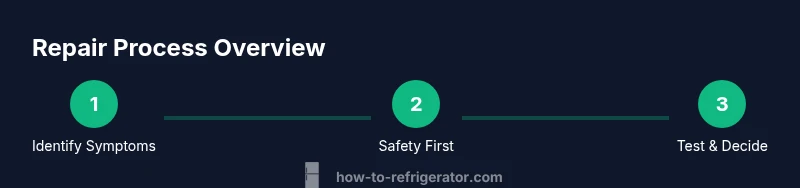
- Prioritize safety: unplug, inspect seals, then test components
- Defrost drain and condenser coils are common culprits
- Know when DIY ends and professional service begins
- Maintain the unit to extend its life and reduce future repairs