How to Replace a Refrigerator Door Seal
Learn how to replace a worn refrigerator door seal to restore energy efficiency and prevent leaks. This homeowner-friendly guide covers compatible gasket types, tools, step-by-step instructions, maintenance tips, and trusted sources.


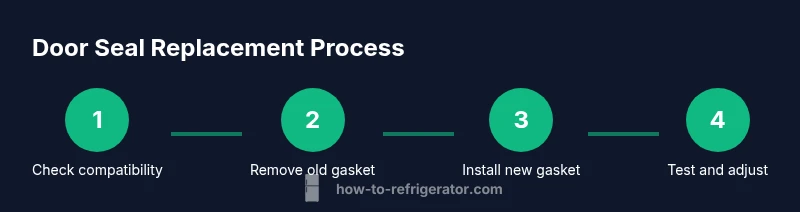
Goal: Replace a refrigerator door seal to restore door airtightness and energy efficiency. You’ll need a replacement door gasket, a screwdriver, a hair dryer (or heat gun) to ease corners, and cleaning supplies. Quick steps: remove the old gasket, clean the flange and screws, fit and snap in the new gasket, reseat the door, re-tighten fasteners if needed, and test for air leaks with a simple tissue test.
Why replacing a refrigerator door seal matters
A worn or damaged door seal can let cold air escape, causing the compressor to run longer and your energy bills to rise. It can also lead to condensation, frost buildup, and uneven cooling that spoils fresh food. Replacing the door gasket is one of the most practical, budget-friendly fixes homeowners can perform themselves. According to How To Refrigerator, a well-sealed fridge not only improves efficiency but reduces noise and interior humidity that fosters mold growth. Before you begin, inspect the door for gaps when pressed with a dollar bill; a leaky edge will show air passage. Note the type of seal (swapped in around a magnetic channel or a screw-in frame) because the installation approach changes with models. In most cases, you should be able to complete the job with basic hand tools and a little patience. This block sets the stage for a smooth, successful replacement.
How to identify a faulty seal and what to buy
A good seal should be taut and uniform all the way around. Visible cracks, brittleness, or a gasket that curls away from the door are red flags. If you notice condensation at the edges, energy bills creeping up, or frequent door re-seating, the seal is likely failing. When shopping for replacement gaskets, bring the model number from the ID tag (often inside the refrigerator or on the door frame) and note whether your gasket is a magnetic snap-in type or a screw-in frame. Most standard doors use one of these two installation methods. If you don’t have the model handy, many gasket kits are labeled with generic refrigerator compatibility and fit a wide range of common configurations. In short, choose a gasket that matches your door’s profile and mounting method for a reliable seal.
How to remove the old gasket and prepare the frame
Begin by opening the door wide and locating where the gasket attaches: a channel along the door edge, screws near the corner, or a magnetic strip. If screws exist, remove them and set them aside. If the gasket is just snapped into a channel, gently pry it free with your fingers or a plastic trim tool to avoid scratching the frame. Once the gasket is loose, pull it away from the door. Next, inspect the flange for food residue, adhesive, or paint chips. Clean the entire edge with a mild soap solution or isopropyl alcohol on a soft cloth, then dry thoroughly. A clean, dry surface ensures the new gasket seats evenly and seals properly.
Cleaning and preparing the door frame for installation
A clean frame is essential for a durable seal. Wipe away any old adhesive or dried food with a microfiber cloth dampened with warm soapy water, then scrub stubborn spots with a soft-bristled brush. Rinse with a damp cloth and dry completely. If you see bent or damaged door edges, gently realign them with careful pressure, or consult a professional if the frame is severely deformed. Take a moment to examine the hinge area for any misalignment that could affect seal seating. With the frame clean and dry, you’re ready to fit the new gasket with correct orientation.
Installing the new gasket: step-by-step fit and seating
Start at the top corner of the door and work along the edge, pressing the gasket into the channel or onto the magnetic strip until it sits flush. If the new gasket is tight, you can slightly warm the edges with a hair dryer on low heat to ease insertion, but avoid overheating. For screw-in models, reinsert and snug each screw gradually to avoid warping the frame. Don’t stretch the gasket—let it form a natural arc as you press it in. After installation, verify that the gasket contacts the frame all the way around and that there are no gaps.
Test the seal and fine-tune the fit
Close the door gently and perform a visual inspection around the edges. A quick test is the tissue or dollar-bill method: place a lightweight strip near the edge and close the door; if the tissue sticks or the bill stops at once, readjust while the door is closed. If you still feel air leaks, re-seat the gasket by gently pressing around the entire edge, especially at corners and along joints. For magnetic seals, ensure the magnet aligns with the frame along the length; for screw-in types, confirm screws are snug but not overtightened. A properly seated gasket should produce a solid seal with minimal resistance when closing.
Maintenance tips for longevity and energy savings
To extend gasket life, keep the door aligned and avoid slamming it—gentle closure reduces wear on the seal. Clean the gasket regularly with mild soap and water to prevent buildup that can impede sealing. If you notice stubborn stiffness or cracks, replace the gasket rather than attempting to glue or tape over the damage. Inspect the hinge area periodically for sag or misalignment, especially in older units. A proactive approach reduces the risk of future leaks and keeps your refrigerator running efficiently.
Authority sources and recommended reading
For deeper guidance and corroboration, consult established sources on appliance efficiency and maintenance. Here are a few reputable references you can visit:
- https://www.energy.gov
- https://www.epa.gov
- https://www.nist.gov
Across these sources, you’ll find general principles about maintaining efficiency in refrigeration and the importance of proper door seals. The guidance here aligns with best practices from recognized standards organizations and energy experts, ensuring a practical, safe DIY approach.
FAQ and common mistakes to avoid
Be mindful of these pitfalls: forcing the gasket into a tight corner, using harsh solvents that degrade vinyl, over-tightening screws that warp the frame, or skipping a thorough frame cleaning. A careful, patient approach yields the best long-term seal and avoids damage to the door or gasket. If your door continues to leak after replacement, the issue may be door alignment or hinge wear, which may require professional assessment.
Tools & Materials
- Replacement refrigerator door gasket (door seal)(Ensure compatibility with model; check the model number and hinge style)
- Screwdriver (Phillips #2)(For screw-in gasket types; remove and reinsert mounting screws)
- Soft cloth or microfiber towels(For cleaning the frame and gasket surfaces)
- Mild detergent or soap(Use a gentle solution to avoid damaging plastics)
- Isopropyl alcohol or warm soapy water(For removing adhesive residues on the door edge)
- Hair dryer or heat gun (low heat)(Optional; helps soften gasket edges for easier seating)
- Gloves (optional)(Protect hands while handling sharp edges and screws)
Steps
Estimated time: 45-60 minutes
- 1
Confirm gasket compatibility
Locate the model number on the refrigerator's interior wall or door frame and verify that the gasket type matches (magnetic snap-in or screw-in frame). If uncertain, bring the old gasket to the store or check the manufacturer’s website for replacement options.
Tip: Take a photo of the old gasket in place to reference orientation during installation. - 2
Remove the old gasket
Open the door fully. For screw-in gaskets, remove each mounting screw and carefully pull the gasket away. For snap-in gaskets, gently pry the edge out of the channel with a plastic tool to avoid frame damage.
Tip: Keep screws in a labeled container so you don’t lose them. - 3
Clean the door frame
Wipe the frame edge with a mild soap solution or isopropyl alcohol to remove adhesive, grime, and residues. Dry the surface completely before installing the new gasket to ensure a snug seal.
Tip: Don’t leave moisture on the frame; moisture can prevent the gasket from seating properly. - 4
Install the new gasket
Start at a top corner and work around the edge, aligning the gasket with the channel or magnet. If the gasket is tight, use a hair dryer briefly to soften edges. For screw-in doors, reinstall screws gradually to avoid warping.
Tip: Avoid stretching the gasket; let it settle into place naturally for a consistent seal. - 5
Check alignment and seating
Close the door gently and inspect the entire edge for gaps. Re-seat any sections that aren’t fully seated. Ensure the magnet (for magnetic gaskets) aligns evenly along the frame.
Tip: Use a tissue test along multiple points to confirm uniform contact. - 6
Test the seal and finalize
Conduct a simple air-leak test by closing the door and checking for drafts around the edges. If leaks persist, re-tighten screws or re-seat the gasket. Repeat the test after 24 hours to confirm lasting seating.
Tip: Document any recurring issues for future reference or professional advice.
FAQ
Is replacing a refrigerator door seal a difficult DIY task?
For most homeowners, replacing a door seal is a manageable DIY project. It mainly involves removing the old gasket, cleaning the frame, and installing the new gasket. Some models with screws require basic hand tools.
Yes, for most people it's a doable DIY task with the right gasket and a few basic tools.
How do I know which gasket to buy for my fridge?
Check your refrigerator model number to identify the correct gasket type and size. Compare the old gasket's profile (magnetic snap-in vs screw-in) and purchase a kit labeled as compatible with your model.
Check the model number and gasket type to buy the right part.
What if the door still leaks after replacement?
Inspect hinge alignment and door sag; misalignment can prevent a proper seal. Re-seat the gasket and ensure the door closes squarely. If leaks persist, a professional assessment may be needed.
If leaks persist, check hinges and reseat the gasket.
Are harsh cleaners safe on door seals?
Avoid harsh solvents that can degrade vinyl. Use mild soap and water or isopropyl alcohol for adhesive residues. Dry thoroughly after cleaning.
Stick to mild soap and water or alcohol for residues.
How long will a properly installed gasket last?
A correctly installed gasket should last several years with periodic inspections for wear and cracks. Replace when you detect cracking or hardening.
With proper care, you can expect several years of service.
Watch Video
Top Takeaways
- Verify gasket compatibility before purchase.
- Clean and dry the frame before installing.
- Install from a corner and seat evenly, avoiding over-stretching.
- Test the seal with a simple air-leak check.
- Regularly inspect hinges and frame alignment to extend gasket life.