How to Get a Dent Out of Your Refrigerator Door Safely
Learn a safe, step-by-step approach to remove a dent from a refrigerator door without damaging the finish. This guide covers dent types, proper tools, safety tips, and maintenance to prevent future dents.


This guide shows homeowners how to safely remove a dent from a refrigerator door without damaging the finish. Start by assessing the dent type, then choose a method—suction, gentle push from behind, or controlled heat—based on door material. Gather basic tools, follow a step-by-step approach, and test the result before reloading the door.
Assessing the Dent and Door Finish
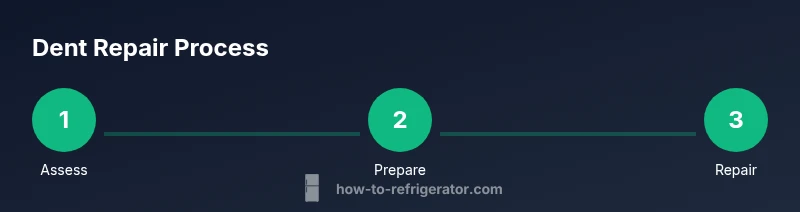
To begin the process of how to get dent out refrigerator door, you must first identify the type of dent and the door’s finish. Small, shallow dents on painted or powder-coated surfaces respond differently than deeper creases on stainless steel. According to How To Refrigerator, the repair approach depends on door material (steel vs aluminum) and whether the surface is painted, enamel-coated, or polished stainless. Start by inspecting the dent’s depth, its location (on a flat area or near a seam), and whether the finish has any chips. This initial assessment helps you choose between suction-based fixes, gentle pushing from behind with a soft backing, or controlled heat to relax the metal. The goal is to restore contour without introducing new scratches or creases, ensuring the door seals properly after the fix.
Understanding the risks of DIY dent repair
DIY dent removal carries risks, including scratching the finish, creating additional creases, or weakening the door skin if excessive force is used. The How To Refrigerator team emphasizes testing methods on a hidden edge when possible and avoiding metal tools that can gouge the surface. If the dent is large, sharp, or near the hinge, or if the door is stainless steel with a mirror finish, the safest route may be professional repair or replacement. A measured, patient approach reduces these risks while preserving door performance and aesthetics.
Materials and door types you’ll encounter
Doors come in painted steel, brushed stainless, and plastic-coated finishes. Painted doors are more forgiving with light pressure from a backing block, while stainless steel can show fingerprints and get scratched easily if not treated carefully. Aluminum doors, if present, respond differently to heat and force. How To Refrigerator notes that you should avoid aggressive tapping on any surface and instead use gentle, steady pressure to coax the dent back toward the original shape. Also consider whether the dent spans a seam or edge, where structural stiffness is higher and repair success may be lower for DIY methods.
Safety first: Prep and protect surfaces
Always unplug the fridge before starting any repair and remove items from the door to prevent shifting. Protect adjacent surfaces with masking tape or a soft cloth to prevent scratches during the process. Wear gloves to reduce the risk of cuts from sharp edges and keep the work area well lit so you can clearly see the dent and surrounding finish. Proper prep minimizes incidental damage and helps you gauge progress as you work toward a smooth, even surface.
When suction is effective and when it isn’t
A dent suction cup can work well on shallow, flat areas of painted metal or enamel finishes. Attach the cup firmly, pull gently, and monitor the surface for changes. Deep creases, raised edges, or dents near doorskins or trim are less amenable to suction and can worsen the finish if forced. If suction doesn’t budge the dent after several tries, stop and switch to a backing-block approach to avoid overstraining the panel.
Push-from-behind techniques for rigid doors
For metal doors with adequate backing behind the dent, you can apply gentle pressure from the outside while stabilizing the interior surface with a soft backing block. The idea is to push the dent outward along the panel’s grain without hitting edges or seams. Use a light touch and pause frequently to assess alignment. This approach reduces the risk of cracking or cracking the paint, especially on thinner enamel finishes.
Gentle heating and cooling methods: a careful balance
Controlled heat can relax metal and help it rebound, but excessive heat can warp finishes or loosen adhesives. If you choose a heating method, use a low, steady warmth (such as a hair dryer on a low setting) from a safe distance and never heat the same spot for too long. After heating, immediately cool the area with a cool, damp cloth or a cold pack kept in a sleeve to minimize thermal shock. Always test on a small, inconspicuous area first and monitor for any adverse changes to the surface.
Cleaning, refinishing, and post-repair care
Once the dent is minimized, wipe the area with a mild soap-and-water solution and dry thoroughly. Inspect the finish for faint scratches or micro-dimples; you can use a color-matched touch-up product if needed, following the manufacturer’s guidance. Reinstall any removed door components and recheck the seal around the door to ensure the repair hasn’t affected performance. Regular cleaning and gentle protection will help preserve the door’s appearance after the repair.
Common mistakes to avoid
Don’t rush the process or use excessive force, which can stretch or crack the finish. Avoid using metal tools that can gouge the surface, and never apply heat to vinyl coatings or non-dielectric surfaces without proper guidance. If the dent remains after a couple of attempts, stepping back and reassessing the method is better than continuing to push and risk further damage. If you feel uncertain, consider a pro repair rather than risking a permanent mark on the door.
Alternatives and when to consider replacement
If the door has a large dent, creasing that affects the seal, or if the finish is already compromised, replacement may be the most cost-efficient long-term solution. In some cases, a door replacement can restore appearance and function more reliably than a DIY fix. The How To Refrigerator team recommends weighing the repair cost, door availability, and installation effort before deciding to replace, especially on premium models where finish integrity matters.
Maintenance to prevent future dents and keep doors looking good
To minimize future issues, practice careful handling when loading items and avoid slamming doors. Use door shelves with flexible lips to reduce impact during closing, and store heavy or bulky items away from the door edge. Regular cleaning and prompt touch-ups after any minor scuffs will help maintain the door’s finish and prevent long-term wear. A consistent maintenance routine keeps your appliance looking and functioning like new.
Tools & Materials
- Dent suction cup or dent puller(Choose a tool rated for metal doors; ensure the suction cup surface is clean and undamaged)
- Soft backing block (wood, silicone, or cloth-wrapped block)(Placed behind the dent to distribute pressure and avoid creating new dimples)
- Microfiber cloth(For cleaning the surface before and after repair)
- Mild soap and water(Gentle cleaning agent to remove dust and oils)
- Gloves(Protect hands from sharp edges; not strictly required but recommended)
- Protective tape or cloth(To shield adjacent finish during manipulation)
- Hair dryer (low heat) or warm air source(Use only if you are comfortable with controlled heating; avoid overheating)
Steps
Estimated time: 60-90 minutes
- 1
Power down the fridge
Unplug the unit to prevent any electrical hazards while you work near the door. This step minimizes risk and ensures your hands don’t slip on wet surfaces.
Tip: If the unit is hard to reach, switch off at the household breaker to avoid accidental contact. - 2
Remove items from the door
Take off all items stored on the door so you have a clean, unobstructed area to work. This reduces pressure on the dent while you apply tools.
Tip: Keep small items in a tray to prevent misplacement during the repair. - 3
Remove shelves or rails that block access
Take out any shelves or rails that could interfere with backing behind the dent. This provides a stable surface for pressure and reduces the chance of secondary damage.
Tip: Store removed pieces in a safe, labeled area for easy reinstallation. - 4
Inspect the dent
Carefully evaluate depth, width, and whether the finish shows chips or cracks. Decide if suction or push-from-behind is more suitable.
Tip: Mark the dent’s center with a small piece of painter’s tape to guide placement. - 5
Position the backing block behind the dent
Place a soft backing block on the interior side of the door at the dent’s location to evenly distribute pressure when you push or pull.
Tip: The backing block should be flush and stable to avoid slipping during pressure application. - 6
Attach the suction cup to the dent
Firmly attach the suction cup to the center of the dent and ensure a secure seal before pulling.
Tip: Wipe the surface dry and ensure there is no dust or oil that could reduce suction strength. - 7
Gently pull the dent toward the original contour
Apply slow, steady tension to coax the metal back, watching for changes in alignment and avoiding overcorrection.
Tip: Stop if you see any cracking or finish damage and reassess the method. - 8
Test door operation and reinstall components
Close the door slowly to test seal and clearance. Reinstall any removed shelves or rails and verify smooth operation.
Tip: If the door still doesn’t close evenly, stop and consider alternate methods or seek a professional opinion.
FAQ
Can I fix a refrigerator door dent myself?
Yes, small shallow dents on painted or enamel finishes can often be repaired with basic tools. If the dent is deep, near the hinge, or on stainless steel, professional help may yield a better result.
Yes, small dents can often be repaired at home, but deep dents or stainless steel finishes may require a pro.
Will heat damage the door finish?
Excessive heat can warp finishes or weaken coatings. Use heat sparingly and only with low heat settings, monitoring closely.
Heat can cause damage, so use it with caution and test first.
Should I use a hammer or metal tools?
Avoid metal tools that can scratch or gouge the finish. Use soft backing and plastic tools designed for dent repair, if needed.
No metal tools—stick with soft backing and non-metal tools.
What if the dent is on stainless steel?
Stainless steel dents require extra care to avoid scratching the finish. Use soft methods and consider professional options for best results.
Stainless needs careful handling; DIY can work for small dents, but be cautious.
When should I replace the door instead of repairing it?
If the dent is large, affects the seal, or the finish is heavily compromised, replacement may be the most cost-effective option.
If the dent affects sealing or finish severely, replacement might be best.
Watch Video
Top Takeaways
- Assess dent type before choosing a method
- Use a backing block to distribute pressure evenly
- Start with gentle suction; switch methods if needed
- Test and recheck door seal after repair
- Know when DIY ends and pro help begins