How to Fix Refrigerator Light Switch
Learn to diagnose and repair a refrigerator light switch with a safe, step-by-step approach. Includes tools list, diagnostics, replacement tips, and maintenance insights for homeowners.


To fix a refrigerator light switch, identify whether the door-activated switch is being depressed and test the light using a multimeter. If the switch or wiring is faulty, replace the switch and recheck. Gather a screwdriver, a multimeter, a replacement switch, and basic hand tools before starting. Keep components organized and unplug the fridge before any work.
How a Refrigerator Light Switch Works
Most refrigerators use a door-activated switch located near the light housing inside the fresh-food compartment. When the door is closed, the switch actuator is released and the circuit is open, keeping the light off. As soon as you open the door, the actuator is depressed, closing the circuit and lighting the interior. The switch itself is typically a small plunger or micro-switch that can wear out, become misaligned, or suffer from loose wiring or corrosion. Understanding this pathway helps you diagnose whether the problem lies with the switch, the light bulb, or the wiring harness. In many models, the door switch is a single component that also signals the exterior control board to manage other functions; in others, it’s a separate switch module mounted behind the light cover.
Key takeaways:
- The switch controls when the light turns on based on door position.
- Common failures include worn plungers, broken contacts, and loose wires.
- Replacing the switch is often quicker and cheaper than replacing the entire light assembly.
Causes and Symptoms to Watch For
Not all light failures point to the switch alone. A bulb can burn out, wiring can loosen over time, or the light housing can accumulate moisture or dust that interferes with contact. Common symptoms that point toward the switch include:
- Light stays on after the door is closed.
- Light flickers when the door is opened or closed.
- The light never turns on when the door opens, even though the bulb is good.
- The switch physically feels loose, sticks, or is difficult to depress.
Other possible culprits include a burned-out bulb, a damaged light socket, or a damaged harness connector. A systematic check helps you separate the switch issue from bulb or wiring problems.
Safety Considerations Before Repair
Always unplug the refrigerator before you begin any repair work to avoid electric shock. Use a dry, well-lit workspace and keep screws and small parts in a labeled container. If your model uses a water filter or ice maker close to the area, ensure moisture is kept away from electrical components. Wear safety glasses if you plan to pry or cut, and use insulated tools when possible. If you’re unsure about electrical work, consult a professional.
Diagnostic Checklist: Is the Switch the Problem?
Use this practical checklist to determine whether the door switch is faulty:
- Verify the bulb is functional by testing in another lamp or socket.
- With the fridge unplugged, remove the light cover and manually depress the switch; check if the light contacts close when pressed.
- Use a multimeter to test continuity between the switch terminals: pressing the switch should complete the circuit, releasing should open it. If continuity is inconsistent or absent when pressed, the switch is faulty.
- Inspect the wiring harness for loose pins, corrosion, or damaged insulation. Re-seat connectors firmly and inspect for discoloration or heat damage.
- If you can access the switch easily but the tester shows continuity only intermittently, replacement is likely the best route.
This approach helps distinguish a switch failure from a bulb, socket, or wiring issue. In many cases, replacing the switch resolves the problem without further repairs.
What to Do If the Switch Is Faulty
If diagnostics indicate a faulty switch, plan a safe replacement:
- Obtain the correct replacement switch for your model; some fridges use a universal door-switch assembly, while others have individual plunger switches.
- Disconnect the old switch from its harness and unplug any connectors; take a photo for reference to ensure correct reconnection.
- Install the new switch in the same orientation and reconnect the wiring harness securely.
- Reinstall the light cover, plug the fridge back in, and test the door operation by opening and closing the door several times to confirm the light reliably turns on and off.
If you’re uncomfortable performing any part of this process, or if the switch is embedded in a larger module, a service visit may be the safer option. However, for many homeowners, replacing a door switch is a straightforward DIY task that saves time and money.
Tools & Materials
- Screwdriver set (flathead and Phillips)(Philips #2 or #1 size depending on screws holding the light panel.)
- Multimeter(Set to continuity/ohms to test the switch circuit.)
- Replacement refrigerator door switch(Match model or use a compatible universal switch.)
- Needle-nose pliers(Helpful for gently disconnecting wiring pins.)
- Towels or cloth(Protects surfaces and catches any moisture or debris.)
- Flashlight(Extra light if you’re working in a dark interior.)
Steps
Estimated time: 30-60 minutes
- 1
Power down and unplug
Unplug the refrigerator from the wall outlet and move it slightly away from the wall to access the back. This eliminates any risk of shock while you work near electrical components.
Tip: Use a dry cloth to protect the floor and a non-conductive tool to test the plug if needed. - 2
Access the light switch housing
Remove the light cover or panel inside the fridge to expose the switch and wiring. Keep track of screws and note how components are arranged.
Tip: Take a quick photo before removing parts so you can reassemble correctly. - 3
Test the switch with a multimeter
With power still off, disconnect the switch from the harness and set your meter to continuity. Press and release the actuator to see if the circuit closes and opens as expected.
Tip: If there’s no continuity when pressed, the switch is faulty. - 4
Inspect wiring and connections
Look for loose wires, burnt insulation, or corroded terminals. Re-seat connectors firmly and clean any corrosion with a dry brush.
Tip: Even a small loose pin can prevent the light from functioning. - 5
Replace the switch (if needed)
Connect the new switch to the harness exactly as the old one was connected. Secure it in place and replace any covers.
Tip: Handle new components gently to avoid damaging fragile terminals. - 6
Reassemble and test
Replace the light cover, plug the fridge back in, and open the door to verify the light turns on and off reliably. Monitor for any unusual buzzing or flickering.
Tip: If the light behaves oddly, recheck connections and ensure the bulb is seated correctly.
FAQ
What is a refrigerator light switch and what does it do?
The door-activated light switch signals the light to turn on when the refrigerator door opens and to turn off when it closes. It can wear out, become misaligned, or suffer from loose wiring, causing the light to fail.
The door switch tells the light to come on when you open the door and go off when you close it; if it wears out, the light may not work properly.
Can I replace the door switch myself?
Yes, if you follow safety steps and use the correct replacement part for your model. Unplug the fridge, identify the switch, and connect the new switch following the wiring layout you documented.
Yes, you can replace it yourself with the right replacement and careful, safe steps.
What tools do I need for this repair?
A screwdriver, a multimeter for testing, a replacement switch compatible with your fridge, and basic hand tools. Keep a towel handy to catch any moisture or debris.
You’ll mainly need a screwdriver, a multimeter, and a replacement switch.
How do I know if the issue is the switch or the bulb?
Test the bulb in another socket or use a known-good bulb in the fridge. If the bulb works but the switch doesn’t, the switch/harness is likely at fault.
If the bulb works elsewhere but not in the fridge, the switch is the likely culprit.
Is it safe to operate the fridge without the light temporarily?
Yes, the fridge will run normally without the interior light, but the light provides quick visibility. Ensure the wiring and components are re-secured before powering back on.
The fridge will run without the light, but it’s best to fix the switch for full visibility.
What if the switch replacement doesn’t fix the problem?
If replacement doesn’t solve it, the issue may be wiring, a more complex switch module, or a control board problem. Consider professional service with diagnosis and proper parts.
If replacement doesn’t fix it, other electrical components might be at fault and you should seek professional help.
Watch Video
Top Takeaways
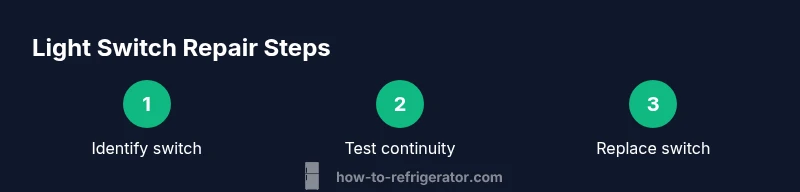
- Identify door-activated switch as the likely cause
- Test continuity with a multimeter to confirm fault
- Replace faulty switch or module, not just the bulb
- Test thoroughly after reassembly to ensure reliability