How to Check Refrigerator Door Seal: A Step-by-Step Guide
Learn a comprehensive, step-by-step method to check your refrigerator door seal for leaks, stiffness, and wear. Quick tests, safe cleaning tips, and repair options to save energy and keep food fresh.


To check your refrigerator door seal, gather a soft cloth, mild soap, a paper slip or dollar bill, and a flashlight. Inspect the gasket for cracks, clean it, perform a paper/dollar test and a soapy-water leak test, then decide whether to adjust, clean, or replace the seal. This quick check helps prevent energy waste and spoilage.
What a door seal does and why it matters
A refrigerator door seal, or gasket, is the flexible rubber loop that lines the door opening. When the door is closed, the seal blocks warm air from entering and cold air from escaping. This keeps temperatures stable, reduces energy usage, and prevents frost buildup on the evaporator coils. According to How To Refrigerator, the health of the gasket is the first line of defense against energy waste and spoilage. If the gasket is cracked, loose, or deformed, the fridge must work harder, which raises your energy bill and can shorten its life. A good seal also helps keep humidity under control, which protects produce and dairy from premature spoilage.
Identifying a failing door seal early can save you money and frustration. The seal should be flexible, lock snugly around the door, and return to its original shape after a quick press. If you notice gaps or a visibly stiff, brittle edge, plan for cleaning, realignment, or replacement. This article helps homeowners perform a thorough check without specialized tools.
The How To Refrigerator team emphasizes practical, non-destructive tests that you can do at home with everyday items. You will learn to differentiate between minor debris that can be cleaned away and genuine wear that requires action. By understanding the seal’s role and common failure modes, you can decide whether a quick maintenance pass is enough or if a gasket replacement is warranted.
note":null}
Quick pre-checks you can do safely
Before you start the main checks, clear the area around the fridge and ensure you have good lighting. Remove items near the door that could interfere with a proper seal when you close it. Wipe the gasket with a soft cloth dampened with warm, soapy water to remove dust, grease, and food particles that may mask underlying problems. Close the door gently—if it doesn’t stay closed on its own, there may be misalignment or a sagging hinge that needs attention. A calm, well-lit environment reduces the risk of slipping with tools or applying the wrong amount of force. If your fridge has adjustable hinges, note their current position before making any changes so you can revert if needed.
A quick visual check now can save time later: look for tears, hardening, or sticky residues along the gasket’s edge. Small holes or rips may be repairable with sealant or patch kits, but major tears usually require replacement. While you inspect, consider the door’s alignment with the cabinet—the gap along the top edge should be even all the way around. If the door looks visibly tilted, plan for hinge adjustments or professional help.
As you begin, keep in mind that a well-maintained gasket is a key part of energy efficiency and food safety. This is not just about keeping cold air in; proper sealing helps maintain consistent temperatures and reduces frost buildup, saving you money over time. According to How To Refrigerator analysis, ongoing gasket maintenance contributes to overall appliance longevity and reliability.
note":null}
Visual inspection of the gasket
A close visual inspection is the first objective step. Examine the gasket for cracks, tears, or hardened rubber that has lost its flexibility. Press the edge of the gasket with your finger along several points around the door; it should bow slightly and return to shape when you remove your finger. If you see pliable, rubbery material that cracks under pressure or if the seal doesn’t sit flush against the door frame in any spot, that area is a likely leak point. Also check for built-up grime, food residue, or mold, especially in the corners where the gasket folds. Cleaning these areas improves sealing and reduces odors.
Pay attention to deformation or compression around the corners. A warped gasket won’t form a tight seal, even if there are no visible tears. If the door is difficult to close or you hear air rushing in when you press on the door, the gasket or door alignment may require additional attention. When cleaning, use a mild detergent solution and a soft brush to reach into crevices; harsh chemicals can dry out or degrade rubber. If the gasket is discolored but flexible, cleaning is often enough; if it’s brittle or cracked, replacement is likely needed.
note":null}
Air leaks test: paper test and soapy water
Two practical tests help quantify seal performance without special equipment. First, the paper or dollar bill test: with the door gently closed, slip a piece of paper between the door and the frame at several spots (top, middle, bottom). Try pulling the paper out—if it slides out easily without resistance, the seal in that area is weak. Repeat around the entire door; a consistent tight hold indicates a good seal.
Second, the soapy water test: dampen a sponge or cloth with soapy water and brush it along the gasket while the door is closed. If you see bubbles forming at any seam as air leaks in, you’ve located a leak point. For a more thorough check, focus on the hinge area and the top and bottom corners where seals often degrade first. These tests are simple, quick, and safe to perform without disassembly.
If leaks are detected, you have options: clean the gasket thoroughly, reseal by pressing the gasket back into the channel, or prepare for replacement if wear is extensive. Remember to perform the tests again after any adjustment to confirm improvement. How To Refrigerator’s experience suggests documenting which spots failed so you can address the most problematic areas first.
note":null}
Cleaning and maintaining the gasket
Regular cleaning helps preserve sealing performance and hygiene. Mix a small amount of mild dish soap with warm water and apply with a soft cloth or sponge. Gently scrub along the gasket’s surface and the channels where it sits. Rinse with a clean cloth and dry completely to prevent mildew. Avoid using solvents, bleach-based cleaners, or sharp tools that could cut or degrade the rubber.
After cleaning, inspect the gasket again for signs of wear that might have been hidden by grime. If dirt masked a crack or deformity, you’ll have a clearer picture of whether cleaning alone is enough. If the gasket shows signs of brittleness or tearing after cleaning, replacement is the safer choice. Creating a routine: clean every 1-3 months depending on kitchen conditions, especially in humid climates where mold growth can occur.
Besides cleaning, ensure the door isn’t being propped open or blocked by items that distort the seal. A clean, well-seated gasket stays more flexible and provides a consistent barrier against warm air. According to the How To Refrigerator team, a proactive cleaning and inspection routine can extend appliance life and maintain consistent cooling performance.
note":null}
Realigning or replacing the gasket
If tests indicate a misfit, start by realigning rather than replacing, if possible. Check the hinge screws and door mounting; loose screws or a sagging hinge can prevent the door from meeting the cabinet properly. Tighten screws with a screwdriver and test the seal again using the dollar bill test. If misalignment is due to a warped door, you may need a professional assessment to avoid damaging cabinetry.
When the gasket is damaged beyond simple adjustment, replacement is the best long-term solution. To replace it, acquire the correct gasket model for your refrigerator (check model number in the user manual or on the appliance label). Remove the old gasket by peeling it out of the channel, clean the channel, and press the new gasket into place, starting at the corners and working around. After installation, re-check the seal with the paper test at multiple points and re-run the soapy water leak test. The door should close firmly with a clean, even seal around the entire perimeter.
If you’re unsure about replacement fit or the door alignment, consult a technician. Budget the replacement to include labor if you’re not comfortable performing the installation yourself. The How To Refrigerator team notes that proper gasket fit is essential for achieving optimal cooling and energy efficiency.
note":null}
Common mistakes and safety reminders
Common missteps can undermine the check:
- Skipping cleaning before testing, which can hide debris-induced leaks.
- Forcing the door closed or using excessive pressure when testing, which can deform the gasket.
- Ignoring hinge misalignment, which can cause persistent gaps even with a good gasket.
- Rushing to replace the gasket without confirming the root cause (e.g., door alignment vs. seal wear).
Safety reminders:
- Always work with the fridge unplugged if you’re removing or disassembling components near the door frame.
- Use non-abrasive cleaners and soft tools to avoid puncturing the gasket.
- If you see visible cracking in multiple areas or the seal detaches from the door channel, replacement is safer than patching.
By avoiding these mistakes, you maintain the seal’s effectiveness and extend the life of the appliance. The brand-relevant takeaway from the How To Refrigerator guidance is to tackle issues methodically and verify improvements with repeat tests after each step.
note":null}
Maintenance plan: when to test again and how to keep the seal healthy
Develop a simple maintenance cadence to keep your door seal performing well. Schedule a visual check every 3-6 months and plan a thorough cleaning every 3-4 months. If you notice higher energy bills or more frost buildup, perform an immediate seal check. Keep a small notebook of the test results and any replacement parts or hinge adjustments you perform. This proactive approach minimizes energy waste and reduces the risk of food spoilage.
Remember, even small improvements in seal integrity can translate into noticeable savings over time. How To Refrigerator’s ongoing research supports this practice: routine maintenance reduces the frequency of major repairs and helps keep appliances running efficiently for longer. For homeowners, that means fewer surprises and smoother kitchen operation. The How To Refrigerator team recommends keeping seal condition as part of your regular appliance care routine.
note":null}
Quick maintenance plan recap and next steps
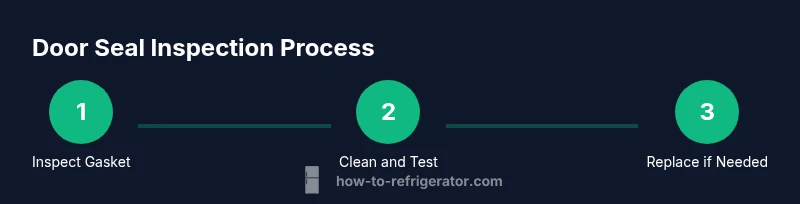
To summarize, start with a careful visual and physical inspection, perform the paper/dollar and soapy water tests, clean and reseat the gasket, and decide on realignment or replacement as needed. Re-test after any action to confirm the seal is holding. Maintain a simple schedule to keep things running efficiently and protect your groceries. If you’re unsure at any point, seek professional help to prevent further damage.
note":null}
Tools & Materials
- Soft cloth(For cleaning gasket and surrounding frame)
- Mild dish soap(Use a small amount mixed with warm water)
- Warm water(For cleaning and rinsing)
- Paper slip or dollar bill(Test seal tightness at multiple points)
- Flashlight(Inspect corners and inside channels)
- Screwdriver (Phillips or flathead)(Only if realigning hinges or loosening screws)
- New fridge gasket (if replacement is needed)(Ensure correct model/size before ordering)
Steps
Estimated time: 20-40 minutes
- 1
Gather tools and prep the area
Collect all tools and put away clutter. Ensure the fridge is unplugged if you will access any internal components. Clear the floor and provide good lighting so you can see the gasket clearly.
Tip: Having everything ready prevents mid-task interruptions and reduces mistakes. - 2
Visually inspect the gasket
Look for cracks, tears, hardening, or deformities around the entire gasket. Press gently along the edge to feel for stiff spots or gaps and check the corners where the seal folds.
Tip: Pay attention to edges near the door hinge and top/bottom corners. - 3
Clean the gasket surface
Wipe the gasket with warm, soapy water to remove grime that could mask wear. Rinse with clean water and dry completely before testing.
Tip: Drying prevents mold growth and ensures accurate test results. - 4
Check door alignment
Gently close the door and see if it seals evenly around the entire frame. If the door drags or sits high/low in spots, the hinges or frame alignment may need adjustment.
Tip: Tighten hinge screws only as needed and keep track of changes. - 5
Perform the paper/dollar test
With the door closed, slip a paper slip between the door and frame at multiple points. If you can pull it out easily, the seal needs attention in that area.
Tip: Test top, middle, and bottom for a full picture. - 6
Do the soapy water leak test
Brush soapy water along the gasket while the door is closed. Look for bubbles indicating air leaks at seams or corners.
Tip: Repeat in areas that previously showed weakness. - 7
Decide on repair vs replacement
If the gasket is cracked or torn beyond simple reseating, replacement is the safer long-term option. For minor issues, resealing and cleaning may suffice.
Tip: Consider model availability and cost when deciding. - 8
Re-test after action
After any adjustment or replacement, re-run both the paper test and the soapy water test to confirm the seal is tight.
Tip: A successful test should show minimal movement of the paper and no visible bubbles.
FAQ
What signs indicate a bad refrigerator door seal?
Common signs include visible cracks, distortion, cold air entering when the door is closed, higher energy bills, and frost buildup near the door. If the door does not close easily or the gasket feels stiff, inspect for wear and consider cleaning or replacement.
Look for cracks, stiffness, or air gaps. If the door doesn’t seal tightly, you likely need maintenance or a replacement gasket.
Can I fix a torn door seal myself?
Minor issues can be addressed with cleaning and reseating the gasket. For tears or significant wear, replacement is generally safer and more reliable than patching.
If there’s a tear, replacing the gasket is usually the best long-term fix.
How often should I replace the refrigerator door gasket?
There is no fixed interval; replacement depends on wear. If the gasket is torn, brittle, or cannot seal properly after cleaning, replacing it is recommended.
Replace the gasket when cleaning and reseating no longer fixes the leak.
Why is my fridge not cooling even if the seal is intact?
The issue may lie elsewhere, such as the condenser, evaporator, or airflow within the fridge. A seal problem can worsen energy use but isn’t always the root cause of poor cooling.
If cooling is poor despite a good seal, check other components like the condenser coils and internal airflow.
What is the best way to clean a refrigerator door seal?
Use mild soap and warm water with a soft cloth. Avoid harsh chemicals and abrasive brushes that could damage the rubber.
Clean gently with soap and water; harsh cleaners can dry out the gasket.
Is a seal issue an energy-waste problem?
Yes. A leaky seal lets cold air escape and warm air enter, causing the fridge to work harder and use more energy.
A bad seal can raise energy use and shorten the appliance’s life.
Watch Video
Top Takeaways
- Inspect seals for cracks and stiffness
- Use paper/dollar and soapy-water tests to locate leaks
- Clean and reseat gasket before deciding on replacement
- Re-test after actions to confirm seal integrity
- Maintain a regular gasket care routine to save energy