How to Check If Refrigerator Water Valve Is Working
Learn how to check if your refrigerator water valve is working. Locate the inlet valve, test continuity, and decide when replacement is needed to restore ice and water flow.


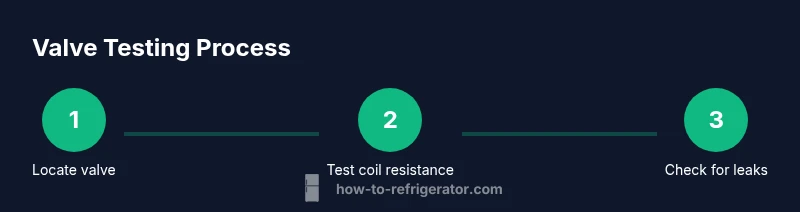
According to How To Refrigerator, to check if the refrigerator water valve is working, locate the inlet valve at the back and inspect for leaks or kinks. Use a multimeter to test coil resistance and listen for the valve’s click when energized. If water flow is still absent after energizing, the valve may be faulty and require replacement.
Why Checking the Water Valve Matters
Keeping a close eye on the refrigerator water valve is more than a routine maintenance task; it directly affects ice maker performance and the water dispenser. A failing valve can lead to intermittent water supply, ice that doesn’t fill properly, or leaks that damage cabinets and flooring. The How To Refrigerator team has seen many cases where a seemingly mysterious water issue traced back to a marginal valve that simply needed testing or a straightforward replacement. Regular checks also help you spot corrosion or mineral buildup that could shorten the valve’s life and risk leaks. By understanding the valve’s role and the symptoms of trouble, homeowners can save time, reduce water waste, and prevent bigger breakdowns that require more extensive repairs.
Key ideas to remember:
- The valve controls water flow to the dispenser and ice maker.
- Small leaks or frost around the valve are red flags.
- Early testing helps you avoid more expensive fixes later.
Related terms: water inlet valve, ice maker, water dispenser, back of fridge, leak detection, maintenance.
How the Water Inlet Valve Works
The water inlet valve is a small solenoid device located at the back of most refrigerators. When the control system calls for water—during ice production or dispenser use—the valve’s coil is energized, drawing the plunger and opening a passage for water to flow from the supply line into the internal tubing. A healthy valve should open quickly with minimal resistance and close firmly when de-energized. If the coil is damaged, has burned residue, or the plunger sticks, water flow becomes inconsistent or stops altogether. Mineral buildup can also impede operation by increasing friction inside the valve body. In short, the valve is the gatekeeper for water delivery, and its reliability directly affects the fridge’s water-related functions.
Common failure modes include: (1) Valve sticks open or closed, (2) Worn or broken seals allowing leaks, (3) Wiring corrosion or loose connections, (4) Mineral deposits blocking the valve or nozzle. Regular inspection helps you distinguish valve problems from clogged filters or kinked lines, which can mimic valve failure.
Common Symptoms of a Failing Valve
If the water valve isn’t performing, you’ll notice clues across multiple functions of the fridge. Look for: no water flow from the dispenser, slow or inconsistent ice production, frost buildup around the valve or along the water line, chattering noises or buzzing from the back of the fridge, and visible leaks around the valve fitting or supply line. In many cases, the issue is temporary and caused by a partially closed valve, but persistent symptoms point to a faulty valve that needs closer testing or replacement. According to How To Refrigerator analysis, valves degrade gradually due to mineral buildup, corrosion, or wear on the solenoid — especially in hard-water areas. Addressing the valve early helps preserve the overall efficiency of the appliance and avoids water damage.
Note: If you recently moved or reconnected water lines, ensure the line is not kinked or pinched, as this can masquerade as a valve problem.
Safety First: Prepare for Testing
Before you touch any electrical components, take safety seriously. Unplug the refrigerator and shut off the home water supply to the fridge to prevent accidental shocks or leaks. Wear protective gloves and safety glasses, and place towels or a shallow container to catch any water that escapes during disconnection. Work in a dry area and avoid standing on wet floors. If you’re uncomfortable working near live electrical components, don’t hesitate to contact a qualified technician. Following these precautions reduces the risk of injury and protects your home while you diagnose the issue.
A quick pre-check checklist:
- Unplug the unit and turn off the water supply.
- Inspect the exterior for obvious leaks or cracked fittings.
- Gather the necessary tools before you begin.
What to Expect During Tests: A Practical Roadmap
Testing the water inlet valve involves a combination of visual checks and electrical measurements. Start with a visual inspection: look for cracks, loose fittings, or moisture around the valve, hoses, and connection points. Then, use a multimeter to test the coil's resistance across the valve terminals. Compare measurements to the valve’s datasheet or manufacturer’s specs; readings outside the recommended range typically indicate a faulty coil. If the valve seems to operate intermittently, gently actuate the plunger by hand (when safe and disconnected) to feel for sticking. Finally, perform a controlled live test only if you are confident in safety protocols and the power is isolated from all sources. If no water flows when the valve is energized, it’s a strong sign the valve should be replaced, or the entire assembly may need attention depending on your model.
During any electrical check, keep one hand in your pocket to minimize the risk of shock and avoid touching exposed conductors with metal tools.
Repair or Replacement: Next Steps
Once testing confirms valve failure, you have two paths: replace just the valve or replace the whole ice-maker/dispense assembly if it’s integral to your model. Consult your appliance manual or manufacturer’s guidance to confirm compatibility. If you’re comfortable with DIY repair, purchase an exact replacement valve that matches your fridge’s model number and port size. If you see physical damage, cracks, or corrosion on the valve body, replace it promptly to prevent leaks. In some cases, a clogged line or a frozen ice maker can prevent water from reaching the valve end even when the valve is healthy, so verify that the upstream water filter and lines are clear before replacement. If the job seems beyond your comfort zone, a professional technician will ensure proper installation and leak testing.
Authoritative Sources for Further Reading
- Authoritative safety guidelines and appliance care basics: https://www.osha.gov
- Residential energy efficiency and appliance guidelines: https://www.energy.gov/eere/buildings/articles/refrigerators-and-freezers-energy-saver
- General appliance reliability and repair insights: https://www.nist.gov
Tools & Materials
- Unplugged power cord(Ensure fridge is disconnected from power before starting)
- Safety gloves and safety glasses(Protect hands and eyes when working near water and wires)
- Screwdriver set (Phillips and flat-head)(Remove back panel or access cover)
- Adjustable wrench or pliers(Disconnect water line fittings)
- Container or towel to catch water(Catch water that may spew from line)
- Multimeter (ohms/continuity)(Test valve coil resistance)
- Replacement water inlet valve(Only if valve is faulty or leaking)
Steps
Estimated time: 60-90 minutes
- 1
Power down and unplug
Begin by unplugging the refrigerator to cut all electrical power. Then shut off the home water supply to minimize any leaks when you disconnect fittings. Have a towel or bucket ready to catch any remaining moisture.
Tip: Double-check that power is truly off at the outlet before touching any components. - 2
Access the valve
Move the fridge slightly to access the rear panel. Remove the back access panel carefully to expose the water inlet valve and supply line fittings.
Tip: Take a photo of the valve wiring and hose routing before disconnecting anything. - 3
Inspect visually
Check for obvious signs of wear: cracks in the valve body, corrosion on terminals, loose fittings, and kinks in the supply line. Tighten fittings if you notice any looseness, but do not overtighten.
Tip: If you see wet spots, address the leak path first. - 4
Test coil resistance
With the power off, use a multimeter to measure resistance across the valve terminals. Compare the reading to the valve’s datasheet or the manufacturer’s recommended range. A reading outside the spec usually indicates a faulty coil.
Tip: If you’re unsure of the expected range, consult the model's service manual or manufacturer's site. - 5
Check for obstructions
Disconnect the line from the valve, place a container, and briefly energize the system to confirm water flow path. Look for blockages or mineral buildup; clean if you can do so safely, or replace the valve if debris can't be cleared.
Tip: Do not run water through a disconnected valve—this can cause backflow. - 6
Optional live test with caution
If you choose to perform a live test, reassemble the area, re-connect the power, and briefly energize the valve while watching for proper water flow and a clean discharge. Stop if you smell burning, hear buzzing, or see arcing.
Tip: This step is optional and should only be attempted if you have electrical safety training. - 7
Reassemble and verify
Reattach the back panel securely, restore the water supply, and plug the unit back in. Run a cycle to verify water flow to the dispenser and ice maker, while inspecting for leaks.
Tip: Monitor the first few cycles closely for the first 24 hours.
FAQ
What is a refrigerator water inlet valve?
The water inlet valve is a small solenoid assembly that opens to allow water into the ice maker and dispenser when prompted by the fridge. If it sticks or fails, water flow can stop. It’s a common point of failure that’s worth testing during a service check.
The water inlet valve is a small solenoid that opens to let water into the dispenser and ice maker. If it sticks or fails, water flow stops.
How do I know if the valve is defective?
Defective valves often show no water flow, irregular ice production, or frost around the valve. Electrical testing and a visual inspection for corrosion or leaks help confirm failure. If the coil resistance is outside the specified range, replacement is typically required.
If there’s no water or irregular ice, or you see frost around the valve, it may be defective. Electrical tests can confirm.
Is it safe to test the valve myself?
Yes, but only after you unplug the fridge and shut off the water supply. Use insulated tools and wear safety gear. If you’re unsure, hire a professional to avoid safety risks.
Yes, safety first: unplug, shut off water, and use insulated tools. If unsure, call a pro.
Can a clogged filter cause similar symptoms?
A clogged water filter or kinked line can mimic valve problems by reducing flow. Always rule out filters and lines before replacing the valve. Regular filter maintenance helps prevent valve-related issues.
Filters or kinked lines can look like valve problems, so check those first.
Should I replace the valve or the entire ice-maker assembly?
If testing shows the valve itself has failed, replacing the valve is usually appropriate. If the ice-maker assembly is integrated and damaged, you might replace the entire unit. Model-specific guidance from the manual is essential.
If the valve fails, replace the valve. If the ice-maker is integrated and damaged, you may need the whole unit.
What safety precautions should I take?
Always unplug the appliance, shut off the water, and wear protective gear. Work on a dry surface and avoid touching live terminals. If you’re not confident, hire a professional.
Unplug, shut off water, and wear safety gear. If unsure, call a pro.
Watch Video
Top Takeaways
- Identify the valve location before testing
- Test coil resistance and compare with specs
- Water issues may stem from lines or filters, not just the valve
- Replace the valve if tests show failure