How to Check If Refrigerator Is Working: A Homeowner’s Guide
Learn a clear, step-by-step method to verify your fridge operates correctly, from power checks to door seals and cooling performance. Practical, safe guidance for homeowners to diagnose issues before calling a technician.


Goal: Verify whether your refrigerator is working correctly by running a quick set of functional checks and listening for unusual noises. Start with power and temperature tests, then inspect door seals, vents, and airflow. Observe cooling performance over a few hours, and note frost buildup. If issues persist, consult a professional. This guide helps homeowners troubleshoot safely.
Why it's essential to know how to check if refrigerator is working
Keeping a fridge running reliably saves food, reduces energy waste, and prevents sudden spoilage. If you notice warm air in the fresh-food compartment, uneven cooling, or frost buildup, the unit might be struggling. This is why learning how to check if refrigerator is working is a practical skill for any homeowner. According to How To Refrigerator, a systematic quick-check routine helps identify the most common failure points before they become expensive repairs. By starting with the basics—power, temperature settings, and door seals—you can often resolve simple issues without tools. The How To Refrigerator team found that many calls to repair services stem from overlooked seals or airflow blockages rather than complex component failures. In this guide, you’ll follow a clear, safety-conscious sequence that builds from simple observations to targeted actions. Expect practical, actionable steps, with checklists you can use again if problems reappear. Always unplug the unit if you perform powered tests that involve accessing electrical components, and never blast cold air toward yourself or your skin.
Quick Diagnostics You Can Do Without Tools
- Check that the refrigerator is plugged in and the outlet is live. If the light comes on, you have power; if not, try another outlet. This simple check helps rule out a power issue before you explore cooling problems.
- Verify the door seals are intact. Close the door on a dollar bill and try to pull it out; if it slides out easily, you may have a leaky seal. Poor seals can let warm air in and hinder cooling.
- Inspect airflow vents and shelves. Ensure vents aren’t blocked by groceries and that air can circulate inside both compartments. Restricted airflow is a common cause of uneven cooling.
- Look for frost buildup or condensation. Excess frost can indicate a defrost problem; moisture near the gasket can signal a seal issue. These clues guide you toward the right next steps.
- Observe interior lights and fans when doors are opened. If the light is dim or the fan doesn’t run, there could be an electrical or motor issue worth a closer look.
- Listen for unusual noises after moving items or changing settings. A buzzing or clicking sound can point to a condenser or fan problem. If noises persist, document when they occur for a technician.
How to Test Temperature Accuracy and Cooling Performance
To assess cooling, use a simple thermometer placed in the main compartment and the freezer for a few hours. Note how quickly temperatures drop after turning the unit back on or after door openings. How To Refrigerator Analysis, 2026 indicates that many homeowner concerns stem from improper temperature settings or airflow issues rather than failed major components. If temperatures remain high or fluctuate widely, recheck door seals, airflow, and condenser coil cleanliness. Avoid relying on the built-in thermometer alone; external readings provide a more reliable picture of actual temperatures. Consider running a 24-hour test once you address obvious issues to confirm stability. When in doubt, document readings and compare them to your fridge’s ideal range based on the manufacturer’s guidelines and energy-efficiency recommendations.
Inspect Key Components: Door Seals, Condenser Coils, and the Defrost System
Door seals: Examine gaskets for cracks or gaps and test their integrity with a paper slip test (as described above). A poor seal lets in warm air, causing the compressor to run longer and cooling to suffer. Condenser coils: If the back of the unit is dusty or dirty, clean the coils with a vacuum brush or a soft brush. Dirty coils force the system to work harder and shorten efficiency and life. Defrost system: If you notice frost in the freezer or on the back wall of the fridge, the defrost drain or heater might be blocked or malfunctioning. A blocked drain can cause water to pool or ice buildup, leading to temperature irregularities. Regular maintenance and timely cleaning address many issues before they escalate.
Safety and Electrical Considerations
Always unplug the refrigerator before inspecting electrical connections or removing panels. Never operate the appliance with damaged power cords or if you notice exposed wiring. Use dry hands and work on a non-conductive surface when testing electrical components. If you smell burning, hear crackling, or see melted insulation, stop immediately and call a qualified technician. When dealing with water leaks, dry the area promptly to prevent slips and electrical hazards. These precautions protect you while you diagnose common fridge issues.
Authority Sources and External Guidance
For further reading and validation, consult authoritative sources that discuss refrigerator maintenance and troubleshooting. Examples include the U.S. Department of Energy efficiency resources and academic appliance maintenance guides. These external references help homeowners understand best practices for safe operation and energy conservation. How To Refrigerator recommends cross-checking your findings with government or university resources when addressing persistent issues or complex repairs.
When to Call a Pro and Next Steps
If basic checks reveal no obvious cause, or if cooling remains inconsistent after cleaning and seal repairs, it’s time to contact a professional. Prepare a brief summary of symptoms, readings, and any steps you’ve already taken to share with the technician. A repair professional can diagnose issues with sealed systems, motors, compressors, or refrigerant leaks. Scheduling an annual maintenance visit is a proactive way to prevent unexpected failures and extend the life of your appliance. The How To Refrigerator team recommends documenting all observations and keeping a maintenance log for reference during future service.
Tools & Materials
- Digital thermometer (fridge/freezer)(Two units are helpful for simultaneous zone checks; ensure probes are food-safe and rated for each compartment.)
- Flashlight(Use to inspect behind panels and coils without removing more than necessary.)
- Screwdriver set(Flathead and Phillips for panel access if you need to check mounting screws.)
- Soft brush or vacuum with brush attachment(Clean condenser coils from the back of the unit; avoid using metal brushes that can damage fins.)
- Paper and pen(Record temperature readings, times, and symptoms for reference.)
Steps
Estimated time: 60-90 minutes
- 1
Check power and primary settings
Ensure the fridge is plugged in and the outlet is live. Verify that the thermostat is set within the manufacturer’s recommended range and that the door is fully closed. This step rules out a simple power or setting issue before deeper inspection.
Tip: If the outlet trips, test another device on the same outlet to confirm it’s a supply problem rather than the fridge. - 2
Inspect door seals
Examine gaskets for cracks, tears, or deformations. Perform the dollar bill test: close the door on a dollar bill and gently pull; if it slides out easily, replace the seal to restore airtight performance.
Tip: Clean seals with mild soap and water; avoid solvents that could degrade rubber. - 3
Check airflow and vents
Ensure interior vents are not blocked by groceries and that cold air can circulate between the freezer and fridge compartments. Rearrange shelves to improve airflow if necessary.
Tip: Don’t overfill; air needs space to circulate for even cooling. - 4
Test temperature with a thermometer
Place one thermometer in the main compartment and one in the freezer. Close doors and wait 1–2 hours, then compare readings to the manufacturer’s guidelines. Use external thermometers for an accurate reading beyond the built-in display.
Tip: If temperatures are too high consistently, recheck seals and vents before assuming a major component fault. - 5
Inspect defrost drain and frost buildup
Look for frost in the freezer and ice on walls. If frost is excessive or a defrost drain is clogged, liquids may back up, affecting cooling. Clear any visible ice with gentle care and ensure the drain path is clear.
Tip: Never use sharp metal tools on ice; this can damage panels and pathways. - 6
Clean condenser coils
Unplug the unit and locate the condenser coils (usually at the back or beneath). Vacuum or brush away dust and debris to restore heat dissipation. Dirty coils force the compressor to work harder and shorten the appliance’s life.
Tip: Do not bend or crush delicate fins; use a comb-like tool if available. - 7
Listen for unusual noises
After reassembly and power-up, listen for buzzing, humming, or clicking that persists beyond normal cycling. Record timing and patterns to help a technician diagnose issues related to fans, motors, or refrigerant flow.
Tip: If noises worsen or you hear a grinding sound, stop diagnosing and seek professional help promptly.
FAQ
What does it mean if my fridge isn't cooling evenly?
Uneven cooling can indicate restricted airflow, door seal leaks, or dirty condenser coils. Start by checking seals, clearing vents, and cleaning coils. If problems persist, measure temperatures and consider professional inspection.
If your fridge cools unevenly, check seals and airflow first, then consider cleaning the coils. If it remains inconsistent, schedule a professional inspection.
How can I tell if the thermostat is faulty?
A thermostat issue often shows inconsistent temperatures or the fridge running continuously. Use an external thermometer to verify actual interior temps and compare with the setting. If readings don’t align, consider thermostat replacement or professional testing.
If temperatures don’t match the setting, the thermostat may be faulty. Use a separate thermometer to verify and call a technician if needed.
Is it dangerous to unplug the fridge for testing?
Unplugging for testing is safe when you follow basic precautions: dry hands, no exposed wires, and a stable surface. Replug after your checks to resume normal operation. If you smell burning or see damage, stop and seek professional help.
Unplugging is safe if you’re careful and dry. If you smell burning or see damage, stop and call a pro.
How often should I clean the condenser coils?
Clean condenser coils every 6–12 months or when you notice reduced cooling efficiency. Regular cleaning helps energy efficiency and prolongs compressor life.
Clean the coils every 6 to 12 months or when you notice reduced cooling. It keeps the fridge efficient.
What if the defrost drain is clogged?
A clogged defrost drain can cause frost buildup and water pooling. Clear the drain path carefully and ensure there are no kinks in the tubing. If the problem recurs, call a technician to inspect the defrost system.
If the defrost drain is blocked, clear it gently and check for recurring frost. If it returns, get a professional check.
Watch Video
Top Takeaways
- Document symptoms before calling a pro
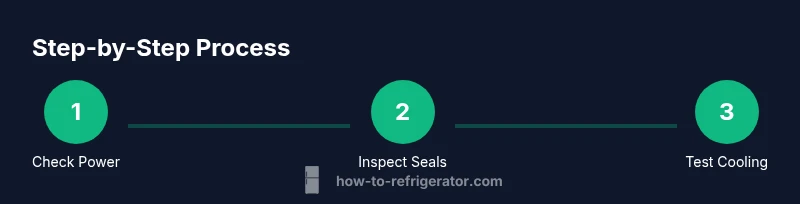
- Check power, seals, and airflow first
- Use a thermometer for accurate cooling readings
- Clean condenser coils regularly to preserve efficiency
- Know when to seek professional service