How to Fix a Broken Refrigerator: A Homeowner's Guide
Learn how to diagnose and fix a broken refrigerator with a safe, practical home-based approach. From power checks to defrost drains, follow our comprehensive guide to restore cooling and prevent future breakdowns.


You can diagnose and fix a common refrigerator problem at home by confirming power supply, thermostat settings, door seals, and condenser coils. If these basics are fine, you may need to address a clogged defrost drain, a faulty start relay, or a failing thermostat. This guide provides a safe, step‑by‑step approach to identify and resolve typical fridge issues.
Understanding fridge basics: how a typical refrigerator works
According to How To Refrigerator, a standard refrigerator relies on a simple thermodynamic cycle that moves heat from the interior to the outside environment. The key components are the compressor, condenser coils, expansion device, evaporator, and a defrost system. Electricity powers the compressor, which compresses refrigerant gas and forces it through coils where heat is released. The refrigerant then expands and cools inside the evaporator, absorbing heat from the fridge interior. A thermostat governs the temperature, and the defrost system prevents frost buildup on the evaporator. Knowing these parts helps you pinpoint where things go wrong. Common symptoms—like food not staying cold, frost on interior surfaces, or excessive condensation—usually point to a specific subsystem. Simple issues such as a dirty condenser coil, a worn door gasket, or a tripped breaker are often the culprits before more complex failures, so start with the basics and build from there. How To Refrigerator’s analysis shows that many fridge problems originate from airflow, seals, or control settings rather than major mechanical failures.
Common failure modes explained
Refrigerators fail in several predictable ways. Not cooling or warm food is typically a temperature control or airflow issue—check the door seals, thermostat setting, and condenser cleanliness. Frost buildup on the evaporator can signal a defrost timer, heater, or thermostat problem, or just poor airflow. Leaks usually arise from improper drainage, clogged defrost drains, or damaged water lines. Odd noises often suggest a faulty compressor, relay, or motor. Each symptom points to a family of possible causes, so documenting when and how the symptom appears helps you troubleshoot systematically. The goal is to isolate the likely subsystem and test safely before replacing parts. Keep in mind that repeated cooling cycles or short cycling are signs to pause and reassess rather than continuing to run the appliance without diagnosis.
Diagnosing with safety in mind
Before you touch any wiring or refrigerant paths, unplug the unit and clear the surrounding area. Start with the simplest checks: confirm the outlet has power, verify the freezer and fridge temperatures are appropriate, and inspect door gaskets for gaps or tears. Visual inspection of the condenser coils (back or bottom) can reveal a dusty build-up that blocks airflow. Use a flashlight to inspect the interior for frost or ice buildup on the evaporator. If you see frost, you may be dealing with a defrost issue or restricted airflow. Keep a log of observations—where you found ice, which doors were opened and how long they stayed open, and any unusual sounds. The goal is to create a clear map of symptoms to guide the next steps. When in doubt, consult the user manual or a reputable guide like How To Refrigerator for step-by-step checks and safe practice.
When to DIY and when to call a pro
Many fridge problems are within the realm of a careful homeowner, especially those involving seals, coils, and basic controls. If you identify a faulty defrost drain, a dirty condenser coil, or a simple thermostat adjustment, you can often proceed with caution. However, refrigerant leaks, compressor failures, or sealed-system issues require professional service. If you hear buzzing from the compressor for extended periods, notice warm air near the back of the unit, or detect a strong odor of refrigerant, stop and call a licensed technician. DIY fixes should be limited to non-hazardous tasks, like cleaning coils or replacing a worn door gasket, while leaving refrigerant handling and high-voltage components to professionals. How To Refrigerator emphasizes safety and knowing your limits—missteps here can cause injuries, electrical shock, or further damage to the appliance.
Maintenance habits to prevent future breakdowns
Preventive maintenance is your best defense against unexpected fridge failures. Regularly vacuum and brush condenser coils to sustain airflow, especially in homes with pets or dusty environments. Check door seals monthly by closing a dollar bill in the door slot; if you can pull the bill out with little resistance, the seal may be worn. Clean the interior and gaskets periodically to reduce moisture and prevent mold growth. Keep the freezer organized to avoid cold air blockages, and ensure the fridge is level for proper door alignment. Inspect water lines for kinks or leaks, and replace water filters according to the manufacturer’s schedule. These habits reduce strain on the compressor and help maintain energy efficiency over time.
Energy efficiency and cost considerations
A well-maintained refrigerator runs more efficiently, consuming less electricity and producing less wear on the compressor. Dirty coils increase energy use and shorten the appliance’s life, so routine cleaning can save money over time. Seals that are intact keep cold air from escaping and prevent the fridge from overworking. If you must replace components, prioritize energy-rated parts when possible and consult your model’s manual for compatibility. A proactive approach—regular cleaning, correct temperature settings, and timely part replacements—helps you optimize performance and delay costly repairs. By following best practices, you support energy conservation and reduce your monthly utility bills while extending the life of the appliance.
What to order or replace if you DIY
When DIY repairs are appropriate, assemble a small at-home kit with basic tools and a few common spare parts. Consider replacement thermostats, defrost timers, start relays, and fuses appropriate for your model. A general-purpose thermostat, a compatible relay kit, and a cleanable air filter (if your model uses one) can address several routine issues. Always confirm part compatibility with your model number before purchasing. If you encounter a suspected refrigerant leak or compressor failure, refrain from attempting repairs and contact a licensed technician. Document symptoms, times, and tested components to aid the repair process and any warranty considerations. By approaching replacements methodically, you avoid unnecessary costs and ensure safer, more reliable results.
Troubleshooting checklist you can print
- Confirm outlet power and test other devices on the same circuit.
- Check the thermostat setting and door seals for gaps.
- Inspect and clean condenser coils; remove dust and debris.
- Look for frost on the evaporator; note location and extent.
- Listen for unusual noises from the compressor or fan.
- Inspect water lines and defrost drain for clogs or leaks.
- If unsure, pause and consult a professional with your findings.
- Keep notes and photos of any wiring or component changes for reference.
How to document repairs for warranty and records
Create a simple repair diary that tracks symptoms, dates, and actions taken. Include model and serial numbers, parts replaced, and any professional service receipts. Take before-and-after photos of coils, seals, and internal components. This documentation helps with warranty claims, resale value, and future maintenance planning. Store receipts and manuals in a dedicated folder or digital vault for easy access. By maintaining thorough records, you improve transparency and can show a technician precisely what has been done previously.
Tools & Materials
- Multimeter(Test electrical components and verify voltage at key points)
- Screwdrivers (Phillips & flathead)(Access panels and fasteners on interior hardware)
- Nut driver or adjustable wrench(Disconnect lines and remove service panels safely)
- Flashlight(Inspect dark corners, coils, and evaporator areas)
- Gloves(Hand protection when handling sharp edges and damp surfaces)
- Bucket and towels(Clean up defrost water and spills)
- Defrost thermometer(Helpful if defrost cycling is suspected)
- Replacement parts kit(Include thermostat, relay, and a defrost timer appropriate for your model)
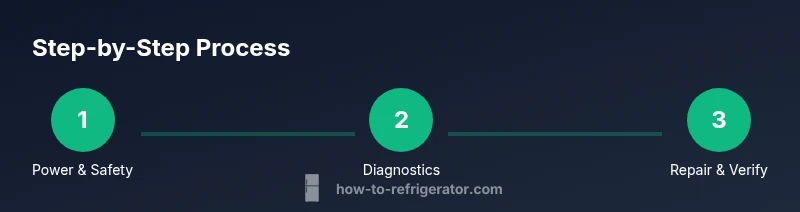
Steps
Estimated time: 40-60 minutes
- 1
Power down and prepare safely
Unplug the refrigerator at the wall and ensure the area is dry. Clear the space around the back and sides to allow for safe inspection and tool use.
Tip: Always unplug before touching electrical components. - 2
Check controls and door seals
Verify the thermostat is set correctly and inspect door gaskets for cracks or gaps. A poor seal can cause frost and moisture buildup that interferes with cooling.
Tip: Close doors firmly and test seal integrity with a dollar bill or thin card. - 3
Inspect condenser coils and airflow
Locate coils (usually at the back or beneath the unit) and remove dust using a brush or vacuum. Restricted airflow forces the compressor to work harder and reduces cooling efficiency.
Tip: Use a vacuum with a brush attachment to avoid bending cooling fins. - 4
Test defrost system and evaporator
If frost is present, test the defrost heater and timer. A slow melt or heavy ice can indicate a defrost issue that will affect cooling.
Tip: Handle ice carefully and only perform defrost procedures if you can access evaporator safely. - 5
Identify faulty components for replacement
If cooling remains poor after the basics, inspect start relays, thermostats, and defrost timers. Document findings before replacing any parts.
Tip: Label wires and take photos to prevent miswiring during reassembly.
FAQ
What are the most common causes of a fridge not cooling?
Most refrigerators stop cooling due to a dirty condenser, faulty thermostat, a defective start relay, or a blocked defrost drain. Start with cleaning coils and checking the thermostat, then inspect the defrost drain for clogs.
Common cooling problems include dirty coils, thermostat issues, or a blocked defrost drain.
Can I fix a broken refrigerator myself?
Many fridge issues can be addressed by homeowners who follow safety steps and use basic tools. For refrigerant leaks or compressor failures, call a professional.
Yes, many fixes are DIY safe, but avoid refrigerant work.
How do I know if the problem is the compressor?
A compressor that hums loudly, trips the circuit, or overheats may be failing. Check for proper voltage and listen for abnormal cycling. If in doubt, consult a professional.
If the compressor is hot or buzzing, it may be failing.
Is it safe to touch refrigerant lines?
Refrigerant lines can be dangerous; do not attempt to repair leaks or handle refrigerants. Only trained technicians should work on sealed refrigerant systems.
Avoid touching refrigerant lines; leaks require a pro.
What tools do I need for DIY fridge repairs?
Typical tools include a multimeter, screwdrivers, pliers, a flashlight, and a bucket for defrost cleanup. Keep a wiring diagram if available.
A multimeter and basic screwdrivers cover most DIY tasks.
When should I call a professional?
If you suspect refrigerant issues, compressor failure, or your repairs require opening sealed lines, contact a licensed technician.
Call a pro if you suspect refrigerant or compressor problems.
Watch Video
Top Takeaways
- Start with safety and simple checks before diving deeper.
- Clean condenser coils to restore airflow and efficiency.
- Address frost buildup promptly to avoid compressor strain.
- Document repairs for warranty and future maintenance.