How to Clean an Ice Maker in a Refrigerator: A Step-by-Step Guide
Learn how to clean your refrigerator's ice maker safely and effectively. This guide covers tools, methods, and maintenance to keep ice fresh, avoid clogs, and extend the life of your ice maker.


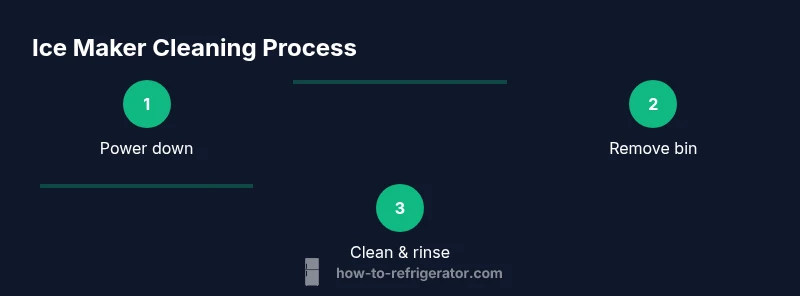
To clean an ice maker, turn off power, remove the ice bin, and flush the unit with warm, soapy water. Rinse, sanitize with a mild vinegar solution, then air-dry before reassembling and testing. According to How To Refrigerator, regular cleaning prevents mineral buildup and keeps ice tasting fresh. If you prefer, skip the vinegar and use plain warm water with soap.
Why cleaning an ice maker matters
Regular cleaning helps prevent mineral buildup from hard water, which can affect ice taste and clog ice molds. A buildup can reduce production speed and encourage bacteria growth in damp corners. Cleaning also helps minimize odors, keeps the stainless surfaces looking good, and preserves the unit's efficiency. For homeowners wondering how do you clean an ice maker in a refrigerator, this process targets the ice maker module, the ice bin, and any removable water lines. According to How To Refrigerator, consistent maintenance is the best defense against costly repairs and stale ice. After a thorough clean, you should notice clearer ice, less odor, and improved performance as the appliance cycles produce ice more reliably.
What you’ll gain: better ice quality, fewer jams, and a longer life for the ice maker assembly. This is especially important in homes with mineral-rich water or frequent high-use periods. You’ll also lower the risk of mold in the ice bin since moisture can create a breeding ground when left unchecked.
Safety and prep: unplug, protect, and plan
Before you touch any ice maker components, unplug the refrigerator or switch off the dedicated ice-maker circuit if your model supports it. Remove the ice bin to access the ice mold and any feed tubes. Place a towel or shallow tray under the work area to catch any drips. If your unit is connected to a water line, close the supply valve to prevent leaks during disassembly. The goal is to clean thoroughly without applying water to live electrical parts. This prep minimizes the risk of electric shock and water damage while you follow the steps. It also helps you focus on the task without rushing.
Accessing removable parts and inspecting for buildup
Most ice makers have removable ice bins and some have detachable molds or scoops. Take them off and inspect for mineral deposits, cloudy ice, or sticky residue. If you see chunks of ice stuck to the mold, gently loosen with a non-metallic tool. Use a soft brush to remove fines from hard-to-reach corners. This inspection stage informs you where to focus your cleaning effort and keeps you from missing spots that harbor bacteria. If your ice maker has a defrost drain, inspect it for standing water and clear any blockages with a small flexible brush or pipe cleaner. This awareness helps you ensure clean water flows into the tray during the next cycle.
Cleaning solutions: what to use and what to avoid
A mild dish soap mixed with warm water works well for daily cleaning and for the ice bin. Avoid abrasive cleaners that could scratch metal surfaces. For sanitizing, a diluted white vinegar solution can be effective on non-porous surfaces, followed by thorough rinsing. If you prefer, 70% isopropyl alcohol wipes are a fast way to sanitize small areas after washing. Never use bleach or strong solvents in contact with ice makers, as chemicals can transfer to ice and pose a health risk. After applying any cleaning solution, rinse thoroughly with clean water to remove soap residues that can cause foaming or off-tastes in ice.
Post-cleaning care and ongoing maintenance
Dry all components completely before reassembling to prevent new mildew growth. Reassemble the ice bin and any detachable parts, reconnect the water supply if you closed it, and plug the unit back in. Run a short ice-making cycle with the bin in place and discard the first batch of ice. This flushes any remaining cleaning solution from the system and confirms proper operation. Establish a simple monthly cleaning routine to keep mineral buildup at bay, especially in areas with hard water kitchens.
Troubleshooting and when to call a pro
If ice tastes metallic or cloudy after cleaning, you may have mineral buildup that requires more intensive descaling or professional service. Slow ice production or frequent jams can indicate clogged lines or a failing ice maker motor. Check for a frozen water line, ice-blocked chute, or a misaligned ice bin. If problems persist after cleaning, contact a professional appliance technician or refer to the refrigerator’s service manual. Regular maintenance reduces the odds of future failures and preserves ice quality.
Tools & Materials
- Soft cloth(Lint-free for wiping surfaces)
- Non-abrasive sponge(Use for gentle scrubbing)
- Mild dish soap(Gentle cleaner for soapy wash)
- Warm water(Mix with soap for cleaning)
- Small brush or old toothbrush(Clean tight corners)
- Spray bottle(To apply cleaning solution evenly)
- White vinegar (optional)(Sanitizing option if desired)
- Isopropyl alcohol wipes(Quick sanitizing on small areas)
- Towel or microfiber cloth(Dry surfaces thoroughly)
- Gloves(Protect hands during cleaning)
- Container or bowl(Holder for soapy solution)
Steps
Estimated time: 30-60 minutes
- 1
Power down and unplug
Begin by turning off the ice maker and unplugging the refrigerator to eliminate any risk of electrical shock while you clean. If your model has a dedicated on/off switch for the ice maker, switch it off first. This step also prevents accidental activation during disassembly.
Tip: Always confirm the unit is unpowered before touching any components. - 2
Remove the ice bin and detachable parts
Gently remove the ice bin and any removable ice-making components. Place them on a clean towel and inspect for cracks or wear. Removing parts makes it easier to clean hard-to-reach surfaces and prevents ice debris from contaminating fresh ice.
Tip: Handle parts softly to avoid damage or bending delicate molds. - 3
Dispose of old ice and inspect mold
Discard any ice in the bin and run a quick visual check on the ice mold for mineral buildup or sticky residue. If deposits are present, plan to scrub these areas more thoroughly with a soft brush. A clear view helps you target problem spots in the next steps.
Tip: Do not scrape hard; use a brush to lift mineral scales gently. - 4
Prepare cleaning solution
In a container, mix warm water with a few drops of mild dish soap to create a gentle cleaning solution. If you opt to sanitize, have a separate bottle for diluted vinegar or isopropyl wipes ready. Avoid mixing cleaners directly in the ice maker to prevent fumes or residues.
Tip: Keep the solution away from metal edges to prevent corrosion. - 5
Clean removable parts and interior surfaces
Dip a soft cloth or sponge into the soapy solution and wipe every surface you can reach, including the ice bin interior and any molds. Use the brush for stubborn deposits on corners and joints. Rinse the cloth and wipe again to remove soap residue, which can cause foaming or off-tastes.
Tip: Do not use abrasive pads that scratch surfaces. - 6
Rinse thoroughly and dry
Rinse all parts with clean water to remove soap and loosened debris. Dry each component completely with a microfiber cloth before reassembling. Moisture can encourage mold growth, so ensure everything is bone-dry.
Tip: Air-dry any damp components before reassembly if possible. - 7
Sanitize and reassemble
If using a sanitizing option, wipe surfaces with a diluted vinegar solution or alcohol wipes and let air-dry. Reassemble the ice maker components in the reverse order of removal. Reconnect the ice bin and ensure seals are secure.
Tip: Verify seals are intact to prevent leaks when the water line is reconnected. - 8
Power on and run a test cycle
Plug the fridge back in or turn the ice maker on. Run a short test cycle with the bin in place and discard the first batch of ice. This flushes any remaining cleaning solution from the system and confirms proper operation.
Tip: If the first batch smells odd, run another cycle and discard again. - 9
Establish ongoing maintenance
Mark a monthly cleaning schedule to stay on top of mineral buildup and odor. Keep a spare supply of cleaning cloths and brushes so you can clean quickly when needed. Regular care helps prevent clogs and keeps ice tasting fresh.
Tip: Consistency beats long, infrequent cleanings.
FAQ
How often should I clean the ice maker in a refrigerator?
Most manufacturers recommend a monthly clean or sooner if you have hard water. Regular cleaning prevents mineral buildup, odors, and ice quality issues.
A monthly clean is usually enough to keep ice fresh and the ice maker working well.
Can I use vinegar to sanitize the ice maker?
Yes, a diluted vinegar solution can sanitize non-porous surfaces. Rinse thoroughly afterward to remove any vinegar taste before making ice.
Vinegar can sanitize surfaces; be sure to rinse well before using ice.
Should I unplug the fridge while cleaning?
Yes. For safety, unplug or switch off the ice maker circuits before cleaning to prevent any risk of electric shock.
Yes—unplug the unit before cleaning.
What if the ice tastes funny after cleaning?
Rinse and run a second clean cycle if the taste persists, and discard the first batch of ice after cleaning. Odor may indicate residual cleaning solution.
If the ice tastes off, rinse again and run another cycle.
Is it safe to use bleach in an ice maker?
Bleach is not recommended for ice makers because residues can transfer to ice. Use mild soap, vinegar, or isopropyl wipes for sanitizing instead.
Bleach isn’t recommended for ice makers.
What should I do if ice maker still doesn’t work after cleaning?
If problems persist after cleaning, check for frozen lines, misaligned bins, or motor issues. Consider professional service for stubborn or electrical problems.
If it still has issues, contact a technician.
Watch Video
Top Takeaways
- Unplug before cleaning and remove the ice bin.
- Use mild soap and warm water for routine cleaning.
- Sanitize with vinegar or isopropyl wipes, then rinse thoroughly.
- Dry everything completely and run a test cycle.
- Establish a monthly maintenance habit to prevent buildup.