Hisense Mini Fridge: Troubleshooting & Maintenance Guide
A homeowner-friendly guide to diagnosing and fixing common issues on Hisense mini fridges, with practical, step-by-step repair tips, maintenance checks, and safety warnings.


Goal: Diagnose and fix common issues on a Hisense mini fridge without specialized tools. You can start with basic power checks, door seals, and temperature settings, then move to frost buildup or condenser cleaning. This quick guide provides steps, safety notes, and when to seek professional help.
Understanding Hisense Mini Fridge Design and Common Issues
Hisense mini fridges combine compact cooling with core refrigeration components that are similar in principle to full-size units. Common issues homeowners encounter include inconsistent cooling, frost buildup in the freezer compartment (if present), foggy or misty interior lighting, and occasional unusual noises. Many problems stem from simple wear-and-tear items such as door gaskets, dusty condenser coils, or misadjusted thermostats. Ownership considerations for a Hisense model also include energy efficiency expectations and proper spacing for ventilation. By recognizing symptom patterns and aligning them with the most likely culprits, you can decide whether a DIY fix is feasible or if you should call a pro. This section sets the stage for practical, safe steps you can take and highlights what is realistically DIY-friendly for homeowners.
Safety and Preparation: Before You Start
Safety should never be skipped when working on any electrical appliance. Begin by unplugging the unit and moving it away from walls or hazards. Gather the tools you’ll need, and if you’re unsure about a task (such as handling refrigerant-related components), stop and seek professional assistance. The goal is to avoid electric shock, burns, or damage to flooring. Ensure the area is well lit, and keep a container or tray to catch any water from defrosting. If your model has a back panel or top access cover, consult the user manual for the exact disassembly steps before removing screws. Remember: never use a damaged power cord or outlet; an outlet tester can help verify a safe supply, but if you suspect wiring problems, do not proceed.
Basic Troubleshooting You Can Do Right Now
Start with the simplest checks: confirm the fridge is plugged in and the outlet is live, verify the thermostat is not accidentally set to the off or a very high temperature, and inspect door seals for cracks or gaps. Airflow is essential inside the cabinet; ensure shelves and vents aren’t blocked. A clogged vent or an overpacked interior can cause poor cooling. If you notice frost on the walls or freezer area, this often indicates a defrost issue or excessive humidity entering through the door seal. Cleaning and reseating gaskets can markedly improve efficiency. These foundational checks will either fix the issue or narrow down the likely cause to more complex components.
Not Cooling? Check Temperature Regulation and Airflow
Temperature control is a common sticking point for Hisense mini fridges. Start by placing a thermometer inside the fridge to verify the ambient temperature is within a reasonable range for safe food storage. If the reading is consistently too warm, recheck the thermostat setting, door seal integrity, and interior airflow paths. Air must circulate freely from the condenser area to the interior. Clear any items that block vents and consider rearranging shelves to improve airflow. A mid-range setting, with the door closed, often yields more reliable cooling. If the unit still fails to maintain temperature after these checks, there may be a deeper issue requiring professional service.
Frost Buildup and Defrosting: When and How
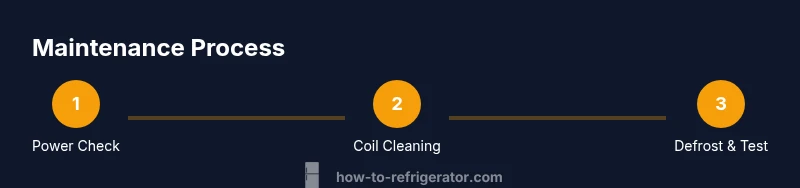
Frost buildup reduces cooling efficiency and can mimic a not-cooling symptom. If you see thick frost on walls or shelves, especially near the freezer compartment, plan a defrost. Unplug the unit and let the ice melt at room temperature, then wipe away water and dry the interior before plugging back in. After defrosting, monitor the temperature for 24–48 hours to see if frost returns. Regular defrosting is essential for older or frost-prone units, and it’s a safe DIY task when performed with the unit unplugged. Persistent frost despite defrosting may indicate a door seal or defrost timer issue.
Cleaning Condenser Coils and Checking the Back of the Unit
Dusty condenser coils can dramatically reduce cooling capacity. Depending on model, the coils are often located at the back or underneath. Unplug the fridge, wipe away dust with a soft brush or microfiber cloth, and avoid water on electrical components. If your unit has a fan, make sure it spins freely without obstruction. After cleaning, allow the unit to return to its normal temperature slowly and avoid opening the door repeatedly in quick succession, which can cause temperature swings during the stabilization period.
Door Seals, Alignment, and Leaks
Gaps in door seals let warm air in and cold air escape, making the compressor work harder and shortening the fridge’s life. Inspect seals for tears and uniform contact around the door. If you notice cracks, replace the gasket according to the model’s service instructions. Ensure the door closes fully and sits squarely; misalignment can also cause leaks. Wipe the gasket with a mild cleaner to remove grime that can degrade sealing performance. A tight seal improves efficiency and stabilizes interior temperatures.
When to Call a Pro: Refrigerant, Compressor, and Electrical Concerns
If you suspect a refrigerant leak, unusual noises from the compressor, or a tangle of electrical faults, professional service is warranted. Handling refrigerants or high-voltage components requires specialized training and certification. For safety and compliance, do not attempt refrigerant repairs yourself. In many cases, a pro can diagnose a faulty compressor, faulty start relay, or electrical fault that DIY steps cannot safely address. If your fridge is beyond its planned maintenance window, weigh repair costs against replacement options.
Maintenance Schedule and Longevity: Keeping Your Hisense Unit Healthy
A proactive maintenance routine extends the life of your mini fridge. Schedule monthly checks of the door seals, interior airflow, and exterior coil areas. Clean the interior and gasket surfaces quarterly to prevent grime buildup. Store food properly to avoid moisture buildup and odors. Keep the space around the fridge free from clutter to ensure proper ventilation. Document any recurring issues and track the performance over time to spot trends that may signal the need for service or replacement.
Tools & Materials
- Screwdriver set (Phillips and flathead)(To remove rear panels or handles per model)
- Soft brush and microfiber cloth(For dust on coils, vents, and gaskets)
- Bucket and mild dish soap(Safe cleaning solution for exterior and gasket cleaning)
- Gloves and safety glasses(Personal protection for manual tasks and defrosting)
- Outlet tester or multimeter(Check outlet safety and basic electrical continuity)
- Replacement door gasket (if needed)(Optional if seals are compromised)
Steps
Estimated time: 60-90 minutes
- 1
Power check and initial inspection
Unplug the unit, inspect the power cord for visible damage, and test the outlet. If the outlet shows signs of tripping or is non-functional, do not proceed. Reposition the fridge and ensure it has stable power. This ensures you are working in a safe environment before opening panels.
Tip: Use an outlet tester to confirm a proper 120V supply before continuing. - 2
Access internal components
Consult the user manual for your specific Hisense mini fridge model and remove any required back or top panels using the appropriate screwdriver. Take note of screw placement and reassemble in reverse order after inspection.
Tip: Keep track of screws with a small tray to avoid losing parts. - 3
Inspect door seals and alignment
Check the gasket for cracks or tears and verify that the door seals completely when closed. Misalignment can cause air leakage; adjust hinges if necessary to ensure a clean seal.
Tip: Wipe the gasket with a mild cleaner to remove grime that can prevent a tight seal. - 4
Verify thermostat and airflow
Confirm the thermostat is set within a normal range (adjust gradually). Ensure interior vents are not blocked by shelves or stored items to promote even cooling.
Tip: Avoid overpacking; air needs to circulate around each shelf. - 5
Clean condenser coils and check the fan
Locate the condenser coils (usually at the back or underneath). Gently remove dust with a soft brush and inspect the fan for smooth operation. Reconnect power and test.
Tip: Never spray water directly onto electrical components. - 6
Defrost if frost buildup is present
If thick frost is visible, unplug and allow ice to melt at room temperature. Wipe up water and dry the interior before plugging the unit back in.
Tip: Defrosting helps restore airflow and cooling efficiency. - 7
Check for leaks and pan drainage
Inspect the drip pan and drain line (if present) for clogs or overflow. Clean and dry to prevent mold and odors.
Tip: Ensure the pan sits properly to avoid spills on the floor. - 8
Test after reassembly
Plug the fridge back in and monitor the temperature. Listen for normal compressor operation and verify stable interior temperatures over 24–48 hours.
Tip: Document any recurring symptoms to help decide between repair and replacement.
FAQ
What are the most common issues with Hisense mini fridges?
Not cooling, frost buildup, leaks, and noisy operation are frequent complaints. Most can be traced to door seals, airflow, or dirty coils. If simple fixes don’t work, deeper diagnostics may be needed.
Common issues include not cooling, frost buildup, leaks, and odd noises, usually from seals or airflow. Try basic checks first, then consider professional help for complex problems.
Can I fix a not-cooling fridge myself?
Many not-cooling issues are addressable with power checks, thermostat adjustments, airflow improvements, and defrosting. If the compressor or refrigerant is involved, or if electrical faults persist, contact a professional.
You can try basic checks and defrosting yourself, but avoid handling refrigerants or high-voltage parts.
How often should I defrost a Hisense mini fridge?
Defrost when frost buildup is visible and impedes airflow. Frost-free models reduce this need, but tool-free defrosting is sometimes still required for frost buildup.
Defrost whenever you see frost that interferes with cooling, especially in older or frost-prone units.
Is it safe to use a multimeter on the fridge?
Yes, you can test outlets or some low-voltage components if you know the proper procedures. Do not attempt high-voltage or refrigerant-related work without training.
You can test some electrical parts, but don’t tamper with high-voltage or refrigerant systems.
When should I replace my mini fridge instead of repairing?
Consider the fridge’s age, repair cost, and energy efficiency. If the unit is older and repairs are costly, replacement may be more economical.
If it’s old and repairs are pricey, replacing the fridge might be wiser.
Where can I find model-specific guidance for my Hisense mini fridge?
Refer to the user manual for model-specific parts and steps. Hisense support and official resources can also help with warranty terms and service.
Your manual has the exact parts and steps for your model; contact Hisense support for advice.
Watch Video
Top Takeaways
- Start with basic power, seals, and airflow checks.
- Defrost frost buildup promptly to restore cooling.
- Clean condenser coils to improve efficiency.
- Use a professional for refrigerant or electrical failures.
- Establish a maintenance routine to extend unit life.