Compact Refrigerator: Size, Setup, and Care for Small Spaces
An expert homeowner guide to choosing, installing, and maintaining a compact refrigerator in small spaces. Learn sizing, energy efficiency, interior organization, common fixes, and practical upkeep strategies tailored for apartments, dorms, and offices.


By the end of this guide, you will be able to choose the right compact refrigerator for your space, install and level it safely, optimize temperature and energy use, organize interior storage, and perform basic maintenance and troubleshooting yourself. We’ll also highlight common failure indicators and practical cost-saving tips. According to How To Refrigerator, proper sizing and placement are the foundation of reliable performance.
What is a compact refrigerator?
A compact refrigerator is a small-capacity cooling unit designed for tight spaces such as apartments, dorm rooms, or offices. It typically ranges from 1.0 to 4.0 cubic feet and prioritizes footprint over full-size capacity. According to How To Refrigerator, the key to a happy compact fridge is selecting the right size for your space and your cooling needs. The How To Refrigerator team found that proper placement, door swing direction, and vent clearance dramatically affect performance and energy use. In this guide, you will learn how to measure, choose, install, and care for a compact refrigerator so it serves you reliably for years. This knowledge helps homeowners avoid common mismatches between space and cooling capability, ensuring frozen and perishable foods stay safe in small kitchens.
For many households, a compact refrigerator is not just a space saver but a practical solution to stay organized in tight layouts. When you understand the basics—size, energy use, and layout—you can avoid overpaying for capacity you don’t need and still keep foods fresh. Throughout this article, you’ll find actionable steps, real-life tips, and simple checks that empower you to keep a compact refrigerator running efficiently without a bulky footprint.
Sizing and placement considerations
Sizing a compact refrigerator starts with accurate space measurements. Measure the available width, depth, and height at the location where you plan to place the unit, and double-check doorway access if you’re moving it through hallways or around corners. Door swing direction matters too; if your doorway or countertop edge blocks the door from fully opening, you’ll need a model with a shorter door swing or a different orientation. Ventilation clearance is essential: keep at least a couple of inches at the back and sides to allow heat to escape and for the condenser coils to shed heat effectively.
Level the appliance after placement. An uneven fridge can cause door seals to leak, increase noise, and reduce cooling efficiency. If your floor is uneven, use adjustable feet or small shims to achieve a stable, level stance. In small spaces, consider whether under-counter or counter-height models could fit better, and be mindful of electrical outlet placement and cord routing to avoid tripping hazards. By choosing a size that matches your space and groceries, you’ll minimize energy waste and maximize usable capacity.
In practice, model selection should balance capacity with footprint. A slightly larger interior can dramatically improve storage flexibility, while a model that fits snugly but restricts airflow won’t perform well. The takeaway is to measure twice, choose a model with features that align with your typical loads, and verify clearance for doors, vents, and cords before purchasing.
Energy efficiency and running costs
Energy efficiency for compact refrigerators depends on size, insulation, compressor design, and temperature settings. Look for an Energy Star label and a decent door seal; high-quality gaskets prevent warm air from entering and cold air from escaping during regular use. Set the internal temperature to a safe level for perishable foods without pushing the compressor to run constantly—often around 37–38°F (3–4°C) for fresh zones and a separate, cold but not freezing setting for beverages when appropriate. Regular defrosting (if your model isn’t frost-free) and keeping the condenser coils clean will help sustain efficiency, especially in warm rooms or sunny kitchens.
Positioning away from heat sources like ovens or direct sunlight reduces the cooling load and can extend the appliance’s life. How To Refrigerator analysis shows that thoughtful sizing and proper ventilation in small spaces can optimize energy use while maintaining safe food temperatures. When comparing models, prioritize insulation quality, seal integrity, and a compressor designed for frequent door openings rather than chasing marginally larger capacities that waste energy.
To estimate annual running costs, compare energy consumption figures (usually listed in kWh/year) and multiply by your local electricity rate. While exact costs vary, choosing an efficient unit with good seals and appropriate size for your space generally results in lower operating expenses over time.
Interior layout and organization tips
Efficient interior design makes a compact refrigerator feel larger and keeps items easily accessible. Use adjustable shelves to customize height for tall bottles or deli trays, and keep frequently used items at the front for quick access. Group items by category—dairy near the middle shelves, produce in crisper drawers if available, and beverages toward the door to minimize temperature fluctuations caused by frequent door openings.
Use clear storage bins or labeled containers to maximize vertical space and reduce clutter. The door shelves can hold smaller jars, condiments, and butter, while heavier items belong on sturdier shelves. For better humidity control, place leafy greens in a dedicated bin if your model includes one, and keep it away from ice makers or freezers if space is tight. A well-organized interior reduces energy waste by avoiding over-cooling and helps you locate items quickly, which is especially valuable in small kitchens where every inch matters.
If your compact fridge includes a small freezer compartment, use it for ice and compact frozen meals, but don’t pack it so full that you hamper air circulation around the cooling coils. A tidy interior supports better airflow, steadier temperatures, and easier daily use. As a bonus, tidy storage reduces food waste by keeping track of what you have and what you’ve used last.
Common failure modes and quick fixes
Not cooling properly is usually caused by three things: inadequate ventilation, a door seal that lets in warm air, or settings that are too high. Start by checking that the back of the unit isn’t blocked and that the grille vents aren’t dusty. Inspect the door gasket for cracks or warping and replace it if it doesn’t seal tightly. If you still don’t see cooling, verify the thermostat setting and ensure the door is fully closed.
Frost buildup in frost-free models generally indicates airflow obstruction or a blocked drain. Check for clogs in vents or the defrost drain and ensure nothing is blocking the evaporator. If frost forms on non-frost-free units, manual defrosting may be required and the interior wiped down with warm water. For models with a freezer, avoid placing very hot foods directly onto the interior shelves, which can cause rapid temperature changes and strain the cooling system.
Excessive noise can come from a loose component or a worn compressor. Check that the unit is level and that items inside aren’t vibrating against the walls. If the compressor cycles on and off frequently, it may be struggling due to a tight thermostat setting or poor airflow—adjusting the thermostat, cleaning coils, and ensuring space around the unit can help.
Maintenance routine and safety checks
Establish a simple maintenance routine to extend the life of your compact refrigerator. Regularly wipe the interior with a mild detergent and warm water, and dry thoroughly to avoid moisture buildup that can promote mold. Clean the condenser coils every 6–12 months, or more often in dusty environments, using a soft brush or vacuum attachment to improve efficiency. Keep the door seals clean and free of debris that can prevent a tight seal. Unplug the unit before performing any cleaning or inspection to avoid electric shock.
Check the drainage path if your model has a defrost drain and clear any blockages. Verify that the unit is level after cleaning, especially if you live in a high-traffic area where vibrations can cause the feet to shift. Finally, perform a quick visual inspection of power cords, plugs, and outlets for signs of wear or damage, and replace damaged components promptly to prevent electrical hazards. Regular, careful maintenance reduces the chance of unexpected failures and keeps your compact refrigerator performing reliably.
Buying guide overview
When shopping for a compact refrigerator, prioritize fit, function, and longevity. First, ensure the exterior dimensions align with your available space, factoring in door swing and ventilation. Second, check interior layout options: adjustable shelves, reversible doors, and a freezer compartment if needed. Third, review energy efficiency—Energy Star certification and quality door seals matter most for long-term savings. Finally, evaluate build quality, the availability of spare parts, and warranty terms. Don’t be swayed by slightly larger capacities if the extra space leads to extra energy use; a well-sized unit that’s easy to maintain yields better long-term results.
In this article, you’ll learn how to measure accurately, compare models, and set up a maintenance routine that keeps your compact refrigerator running efficiently. The How To Refrigerator team notes that a careful buying approach reduces regret and ensures you get the best value in small-space cooling.
Small-space setups and case studies
Case Study A: A studio apartment with a narrow kitchenette. The homeowner chose a 2.3 cu ft model placed under the counter, with door swing oriented to maximize clearance. Shelving was adjusted to accommodate tall beverages and yogurts, while a labeled bin system kept produce organized. Case Study B: A dorm room needs portable cooling and easy transport. A compact fridge on wheels with a reversible door and a spill-proof shelf layout holds snacks, drinks, and a compact lunch, while a charging station sits nearby for devices. Both setups demonstrate that size-appropriate models, paired with simple organization, can dramatically improve daily living in compact spaces. How To Refrigerator analysis shows that correct fit and thoughtful placement drive practical benefits in real-world scenarios.
Tools & Materials
- Measuring tape(To confirm width, depth, and height, and door clearance)
- Screwdriver set (Phillips and flathead)(For removing packaging and adjusting feet if needed)
- Level or spirit level(To ensure the fridge sits evenly on the floor)
- Soft cloths and mild detergent(For cleaning surfaces before first use)
- Mild cleaning brush or sponge(Gentle scrubber for coils or grilles if accessible)
- Adjustable feet shims(For leveling on uneven floors)
- Assistant or dolly(Helpful for moving a heavy unit safely)
Steps
Estimated time: 45-60 minutes
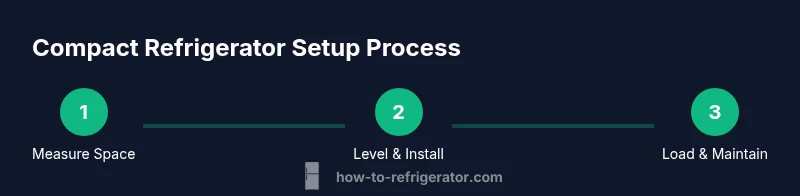
- 1
Measure space and choose model
Before buying or moving the unit, measure the designated space to ensure a proper fit with door clearance and ventilation. Confirm the height, width, and depth, and compare these against the fridge’s exterior dimensions. This step prevents selecting a model that won’t fit or will require compromises on placement.
Tip: Have a second person hold the door while you verify clearance to avoid accidental damage. - 2
Unbox and inspect for damage
Carefully remove packaging and inspect the exterior for dents, scratches, or loose components. If you notice damage, contact the seller before powering the unit to avoid moisture ingress or electrical hazards. This step protects against hidden issues that could affect performance.
Tip: Take photos of any damage for warranty claims or returns. - 3
Place and level the refrigerator
Position the refrigerator in its final spot, then use a level to verify it sits evenly on the floor. Adjust the feet or add shims as needed to prevent wobble, which can stress door seals and misalign shelves.
Tip: A level appliance reduces wear on seals and improves cooling consistency. - 4
Plug in and set initial temperature
Connect to a grounded outlet and power on the unit. Set the interior temperature to a safe starting point (commonly about 37–38°F / 3–4°C for fresh food). Avoid extreme settings that overwork the compressor.
Tip: Give the fridge 24–48 hours to stabilize at the chosen temperature before loading heavy items. - 5
Load groceries and organize interior
Place items in designated zones: dairy and leftovers in middle shelves, beverages near the door if your model has a wide door shelf, and produce in any crisper bins. Avoid overfilling, which restricts airflow and can raise temperatures in the back.
Tip: Keep frequently used items within easy reach to minimize door openings. - 6
Schedule routine maintenance
Create a simple plan to clean the interior and exterior monthly and inspect seals and coils every 6–12 months. Regular checks help catch issues early and maintain efficient operation.
Tip: Unplug before cleaning and use a mild detergent to prevent odors or residue.
FAQ
How do I choose the right size of compact refrigerator for a small kitchen?
Start by measuring available width, depth, and height, then consider where items will be stored and how often the door opens. Match the interior layout to your typical groceries and future needs. A fitter size with good airflow and a clear door swing yields better cooling and efficiency.
Measure your space, compare models, and pick a size that fits while allowing door swing clearance.
Is it okay to place a compact fridge on a countertop?
Most compact refrigerators are freestanding and should sit on a stable surface; placing one on a countertop can create stability and heat transfer concerns. If you must place it on a counter, ensure the counter can bear the weight, provide ventilation, and avoid heat sources nearby.
Usually not ideal; check the model’s installation guidelines before doing so.
Do compact refrigerators use more energy than standard models?
Compact refrigerators typically use less total energy due to smaller size, but energy use depends on insulation, door seals, and how often you open the door. Look for an Energy Star label and good airflow to maximize efficiency.
Smaller size often means lower energy use, but quality seals and placement matter just as much.
How often should I defrost or clean a compact refrigerator?
For frost-free models, defrosting isn’t required, but you should clean coils and the interior periodically. For manual-defrost units, plan a defrost every few months or when frost exceeds a thin layer. Cleaning schedules help maintain performance.
Clean inside regularly and defrost only as needed for manual-defrost units.
What are common signs that a compact fridge needs service?
If cooling is inconsistent, the door won’t seal, you hear unusual noises, or frost builds up excessively, it may indicate airflow, seal, or compressor issues. Address issues early and consider professional service if problems persist.
Watch for poor cooling, poor door seals, and unusual noises; these often signal a problem that needs attention.
Watch Video
Top Takeaways
- Choose the right size for your space first
- Ensure proper ventilation and level placement
- Prioritize energy efficiency and reliable door seals
- Follow a simple, ongoing maintenance routine