Best Refrigerator for Apartment Living: A Homeowner's Guide
Find the right apartment refrigerator with compact footprints, energy efficiency, and quiet operation. This How To Refrigerator guide covers space planning, configurations, maintenance, and installation for renters and small kitchens in 2026.


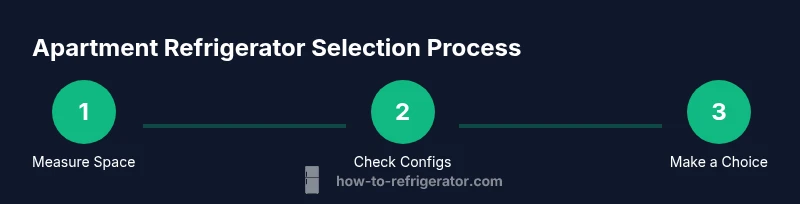
Apartment living often demands a refrigerator with a compact footprint, quiet operation, and flexible installation for small kitchens. This quick guide helps homeowners compare sizes, configurations, and maintenance needs to pick a model that fits rental spaces or cozy apartments. You’ll get a practical checklist and a simple decision path.
Space planning and footprint for apartment kitchens
Apartment kitchens in urban living spaces demand careful space planning. The right refrigerator should fit the alcove without crowding counter space or blocking traffic flow. Start by measuring the opening, depth clearance, and the door swing area. Remember to account for ventilation around the unit and the ability to open doors fully in tight spaces. According to How To Refrigerator, renters often prioritize compact footprints that can slide past narrow corridors, while homeowners look for flexible installation options that don’t require permanent alterations. In practice, this means checking the product specs for width, height, and depth, along with the recommended clearance around sides and top. Use painter’s tape to map the footprint on the floor, then simulate door swing with a cardboard cutout. If doorway width is a constraint, seek models labeled as counter-depth or slim profile. This upfront measurement saves delivery headaches and ensures the fridge will live comfortably in your apartment kitchen.
Energy efficiency and noise considerations for apartment fridges
Energy efficiency and noise levels are two of the most important factors for apartment dwellers. Look for models with good insulation, tight door seals, and compressors designed for quiet operation. Energy efficiency labels help you compare annual running costs, but real-world performance also matters—read user reviews focused on kitchen noise during peak hours and in open-plan layouts. How To Refrigerator emphasizes choosing a fridge that minimizes heat rejection into adjacent rooms, which is especially important in studio apartments or row homes. When evaluating a model, consider features like variable speed compressors, multiple door gaskets, and anti-vibration feet. A fridge that stays cool without cycling loudly will improve daily comfort and reduce sleep disturbances, which is a common concern in compact living spaces.
Compact configurations that work in small kitchens
Small kitchens benefit from configurations designed for space efficiency. Top-freezer and compact bottom-freezer models often provide the best balance between footprint and storage efficiency. For food organization, consider models with adjustable shelves, deep door bins, and versatile crisper drawers. If you need more fresh food capacity without widening the footprint, a compact French-door or a narrow counter-depth unit can be a smart choice. Always compare interior layouts side-by-side and imagine your typical groceries in each configuration. The goal is a layout that minimizes wasted space while keeping frequently used items within easy reach. Remember that a modest upgrade in configurable storage can dramatically improve daily usability in a cramped kitchen.
Temperature control and humidity management for apartment use
Precise temperature control helps preserve food longer and reduces energy waste. Digital thermostats and multi-sensor systems generally offer more stable temperatures than basic dial controls. Humidity-controlled crisper drawers can help keep produce longer, reducing waste. In smaller units, temperature fluctuations can be more noticeable if the door is opened frequently, so look for models with fast recovery and well-sealed doors. A well-sealed gasket reduces cold air leaks and prevents frost buildup in frost-free systems. If you share living space, a quiet compressor and insulation that minimizes thermal exchange can make a noticeable difference in day-to-day comfort.
Ice makers and water dispensers in apartment fridges
Ice makers and water dispensers are convenient but can add cost, install requirements, and potential noise. If you have easy access to a water line and prefer ice on demand, an ice maker can be worth it. If not, you might prioritize fridge space and energy efficiency over a built-in ice option. Consider the location of any water line, potential leaks, and the noise of the dispenser when you activate it. Some apartment setups benefit from a fridge without an ice maker, leaving more usable interior space and fewer maintenance issues.
Interior layout and storage optimization for compact fridges
Every inch of interior space counts in an apartment fridge. Use adjustable shelves to fit tall bottles and tall produce containers. Clear bins help you visualize where items belong and reduce waste. Door racks should be sized to hold commonly used jars and beverages without forcing tight stacking. When possible, plan your weekly route through the fridge so you don’t block access to staples. A smart organization system can often compensate for a slightly smaller footprint, helping you keep daily essentials accessible and visible.
Delivery, installation, and space constraints in rental spaces
Rental spaces sometimes limit delivery options or require pre-approval for new appliances. Before purchase, confirm doorway widths, stairwell clearance, and elevator accessibility. Ask the retailer about delivery windows, haul-away services, and whether they guarantee fit in your kitchen. If an alcove is shallow or has odd angles, you may need a counter-depth model or a slim profile fridge to avoid blocking cabinet doors. A little planning here saves time and prevents last-minute returns or exchanges, which are especially frustrating in apartment settings.
Installation, leveling, and initial testing
After delivery, install the fridge away from heat sources and ensure it is level on all four corners. A slightly tilted unit can cause doors to rub or seals to fail over time. Plug into a dedicated outlet and allow the compressor to stabilize for 24 hours before setting final temperature controls. If you see condensation on seals or excessive frost, recheck the door alignment and airflow clearance. Proper placement reduces noise, improves efficiency, and helps the appliance perform as designed.
Maintenance routines to extend life in rental homes
Regular maintenance protects your investment and keeps energy costs down. Clean door seals and gaskets with mild soap, vacuum condenser coils when accessible, and wipe interior shelves to prevent lingering odors. Keep the back of the unit free of dust to maintain airflow. Schedule annual checks if possible, especially for older apartments where power quality can vary. Simple preventive steps—like keeping cords organized and ensuring a stable level—go a long way toward a longer-lasting fridge.
Tools & Materials
- Measuring tape(At least 150 cm (5 ft) to measure space, doorway widths, and clearance)
- Notebook and pen(For jotting measurements and model notes)
- Pencil(For marking footprint on floor map)
- Small level(To check the fridge is level for proper door operation)
- Masking tape(To mark space and doorway path on the floor)
- Flashlight(To inspect corners under cabinets and ensure good ventilation)
Steps
Estimated time: 1-2 hours
- 1
Measure your space accurately
Begin by measuring the alcove width, height, and depth, plus the clearance for door swing and ventilation. Record each dimension and verify doorway widths to ensure the unit can pass through entryways. Use the measurements to shortlist models that fit without forcing the layout.
Tip: Double-check measurements with a second person to avoid misreads on tight spaces. - 2
Define must-have configurations
Decide which fridge configuration best suits your habits: top-freezer for simplicity, bottom-freezer for easy access to fresh items, or a compact French-door for wider shelves in a small footprint. Consider how often you cook and what storage you need.
Tip: Prefer adjustable shelves and tall bottle storage to maximize flexibility. - 3
Check electrical and plumbing considerations
Identify a convenient outlet and verify that your building allows a fridge with an ice maker or water connection. Ensure the outlet can handle startup surges and keep cords away from foot traffic.
Tip: If renting, confirm a dedicated outlet and avoid using power strips behind the fridge. - 4
Evaluate noise and energy efficiency
Compare decibel ratings and energy-label information. In open-plan spaces, quieter operation is a major comfort factor. Read user feedback about real-world performance in apartments.
Tip: Choose models with anti-vibration feet and smooth doors to minimize disturbance. - 5
Assess interior layout and storage options
Review shelves, bins, and door organizers. Ensure you can fit weekly groceries and tall bottles. Favor shelves that can be reconfigured and bins that provide clear visibility.
Tip: Test configuration by imagining your typical groceries inside. - 6
Consider delivery, installation, and space constraints
Coordinate with building management for elevator access, stair width, and delivery scheduling. Check if haul-away service is available and confirm warranty registration requirements.
Tip: Ask for confirmation on delivery timing and in-home placement options. - 7
Plan ventilation, clearance, and placement
Leave adequate clearance around the sides and top for airflow. Position away from heat sources and ensure the door can swing without contacting cabinets. Level the unit front-to-back.
Tip: Use shims on uneven floors if needed to keep the unit level. - 8
Install and test the unit
Plug in the fridge and allow 24 hours for the temperature to stabilize before finalizing settings. Check the ice maker if included and test the dispenser if present.
Tip: Document the initial thermometer readings and adjust gradually to the desired range. - 9
Maintain and schedule routine checks
Clean gaskets and coils as part of a monthly routine and inspect for frost buildup or leaks. Schedule an annual professional check if possible, especially in older apartments.
Tip: Keep a maintenance log to track dates and actions.
FAQ
What size fridge fits in a small apartment kitchen?
Most apartments accommodate 24–28 inch wide fridges; always verify alcove height and doorway openings before purchasing.
Most apartments fit a 24 to 28 inch wide fridge; measure space first.
Is an ice maker worth it in an apartment fridge?
Consider water line access, potential noise, and maintenance. If you rarely use ice, a fridge without an ice maker may be simpler.
An ice maker can be convenient but check water access and noise.
Which configuration is best for tight kitchens?
Top-freezer or compact French-door configurations often save space while maximizing shelf area.
Top-freezer is compact and typically best for tight spaces.
How long does delivery installation take?
Delivery and setup usually occur in a single visit; plan a few hours and confirm building access.
Delivery takes a few hours; plan ahead for access.
What maintenance can I do myself?
Regularly clean door seals, vacuum coils, and wipe interior shelves. Schedule professional checks if you hear unusual noises.
Keep seals clean and coils dust-free for best performance.
What safety considerations should renters know?
Use a proper outlet, avoid overloading circuits, and keep vents clear. Follow building guidelines for appliance placement and ventilation.
Use a dedicated outlet and keep vents clear.
Watch Video
Top Takeaways
- Measure space before shopping and note doorway access.
- Prioritize compact, energy-efficient models with low noise.
- Consider rental restrictions and delivery options in advance.
- Plan maintenance to maximize lifespan and performance.