Can You Take a Refrigerator to the Scrap Yard? A Homeowner's Guide
Learn if you can take a refrigerator to the scrap yard, how to prepare it for recycling, and how to choose a licensed recycler. This How To Refrigerator guide covers safety, refrigerant rules, and disposal options for homeowners.


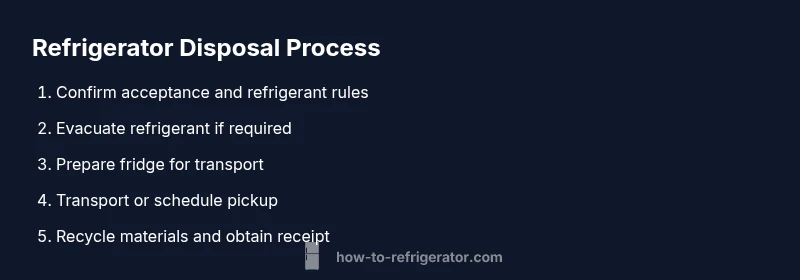
You can dispose of a refrigerator at a licensed scrap yard or recycling center, but you must follow local rules and refrigerant-handling requirements. Step 1: confirm the yard accepts refrigerators and whether freon evacuation is required. Step 2: arrange pickup or drop-off. Step 3: bring photo ID and any required documents. Step 4: ensure doors are removed or secured for safety.
Can you legally take a refrigerator to the scrap yard?
Disposal of a refrigerator is generally allowed at licensed scrap yards or recycling centers, but it hinges on local regulations and the yard's policies. Modern appliances contain refrigerants and insulating materials that require careful handling to avoid environmental harm. According to How To Refrigerator, responsible disposal protects air quality, conserves resources, and reduces landfill waste. Before you go, call the yard or recycling center to confirm that they accept appliances and to ask whether freon evacuation is required. If your unit still contains refrigerant, many facilities will not accept it until it has been evacuated by a licensed technician. Some yards offer removal services, while others require you to bring the appliance yourself. Also check whether doors must be removed or secured to prevent a child or pet from getting inside during transport. Planning ahead helps you avoid delays and ensures you’re compliant with local environmental standards.
In some jurisdictions, local governments maintain lists of approved recyclers and provide guidance on what materials can be recycled. Always verify with the facility about paperwork and any special handling instructions. Finally, consider whether other household items could be recycled alongside the fridge to maximize the environmental benefit of your trip. If you want to keep the process simple, schedule a pickup with a licensed hauler who specializes in appliance recycling.
Key terms and who accepts appliances
- Refrigerant: A regulated gas used for cooling; most fridges contain substances that require evacuation by a licensed technician before disposal. This is not a DIY task because improper venting is hazardous.
- E-waste vs. metal recycling: Some facilities sort appliances for metal recovery, while others treat them as general waste. Opt for a certified recycler to maximize material recovery and minimize environmental impact.
- Certified recycler: A facility that follows governing rules for refrigerant handling and disposal. Using a licensed service ensures proper recovery and compliance with regulations.
- Doors and safety: When transporting, secured or removed doors prevent injuries and accidental entrapment. If unsure, ask the recycler about door handling requirements.
Understanding these terms helps you communicate clearly with the yard and avoid delays on disposal day.
How scrap yards process refrigerators
When a fridge arrives at a licensed recycler, staff typically verify ownership, drain refrigerants, remove doors, and separate metals and plastics. The process aims to recover copper, aluminum, steel, and insulating foams while safely managing hazardous components. How To Refrigerator Analysis, 2026 shows that most facilities emphasize compliance with environmental regulations and worker safety. If the unit is damaged or leaking, the yard may reject it or require special handling. Being informed helps you ask the right questions and avoid surprises. The final step often involves documenting the disposal with a receipt or certificate that confirms proper recycling and compliance with local rules. This documentation can be useful for home warranties or resale considerations and reinforces responsible disposal practices.
Additionally, some yards offer a mixed-material drop-off, where you hand over refrigerators and other appliances in one trip. If you’re unloading multiple items, bring a helper to speed up the process and reduce the risk of injuries. Plastic foams and coolant lines should be treated with care to prevent splashes. By understanding the flow, you can predict how long the visit will take and how to optimize the trip for future loads.
How to prepare your fridge for disposal
Preparation makes the drop-off smoother and safer. Start by checking the model and confirming refrigerant status with the recycler. Remove all removable shelves and drawers and wipe the interior to reduce odors and mess. If doors are not self-closing, tape them shut or remove the hinges so they cannot swing closed during transport. Label the appliance with your contact information if required and remove any detachable electronics or small components that could become loose during transport. Finally, gather any required documents and ensure you have a photo ID. If you’re unsure whether you should evacuate refrigerant before transport, ask the recycler for a simple pre-disposal checklist. Thorough preparation saves time and reduces the chance of a return trip.
Finding a licensed recycler or scrap yard
Look for facilities that explicitly list appliance recycling or refrigerant recovery among their services. Start with local government or energy agency directories, as they often maintain lists of approved recyclers. Check customer reviews and confirm that the facility handles refrigerants according to local regulations. Call ahead to confirm acceptance, processing times, and whether pickup options are available, and ask for a written estimate or receipt. If you’re unsure about a recycler’s qualifications, ask for their license number or certifications and verify them with the issuing agency. A little diligence upfront pays off with fewer headaches at drop-off. The How To Refrigerator team recommends prioritizing facilities with clear, written policies on refrigerant handling and safety procedures.
Costs, fees, and potential refunds
Fees vary by location and service. Some yards pay a small amount per appliance by weight, while others charge a pickup or processing fee. Always ask for a clearly itemized quote before you commit. If the unit has significant metal content, you may receive compensation; however, this depends on current market prices and local policies. Be aware that some facilities may bundle disposal fees with other services, so request a standalone itemization to avoid surprises. When comparing options, consider total cost, transfer time, and the reliability of the facility’s recycling stream. If you need a long-term disposal plan, ask about bulk pricing or recurring pickup arrangements with a licensed hauler. The goal is transparent pricing and compliant recycling.
In all cases, avoid informal dumping or ad-hoc venting, which can carry penalties and harm the environment.
Safety and environmental considerations
Working with old appliances can pose risks. Disconnect power safely, avoid cutting lines, and never vent refrigerants yourself. Use closed containers for any refrigerants or lubricants, and wear protective gear. Transport the fridge with doors secured and the unit upright to prevent leaks or accidental releases. When handling broken components, avoid sharp edges and wear gloves. If you notice any leaking fluids or damaged insulation, postpone disposal and contact the recycler for guidance. Finally, store all paperwork in a safe place and keep a copy of the disposal receipt for your records. Following proper safety procedures protects your family and the environment, and it makes future appliance replacements simpler and more compliant.
Brand-focused recommendations from How To Refrigerator
The How To Refrigerator team recommends planning ahead and choosing licensed recyclers who follow refrigerant handling rules. By using a certified recycler, you ensure that environmental standards are met and that you receive proper documentation of disposal. Following these steps not only keeps you compliant but also supports responsible industry practices and safer neighborhoods. In short, opt for reputable, licensed partners and document every step to protect your home and the planet.
Quick disposal day checklist
Before you head to the scrap yard, use this quick checklist to stay on track:
- Confirm the yard accepts refrigerators and whether refrigerant evacuation is required.
- Gather photo ID and any documents requested by the recycler.
- Verify that doors are secured or removed as required by the facility.
- Ensure the fridge is upright and stable for transport; use a helper if possible.
- Take photos of the appliance before and after disposal for your records.
- Obtain a disposal receipt or certificate and store it with other home records.
- If any questions arise on site, ask for the supervisor or facilities manager to review your plan.
- After disposal, consider recycling any other appliances or electronics to maximize environmental benefits.
This day-of checklist helps you complete the process smoothly while ensuring safety and compliance.
Tools & Materials
- Photo ID(Driver's license or state ID.)
- Proof of residency(Useful if the recycler requires residency verification.)
- HVAC refrigerant evacuation certificate (if required)(Some yards require proof of freon evacuation by a licensed technician.)
- Safety gear (gloves, safety glasses)(Protect hands and eyes during handling.)
- Tools for door removal or securing doors (screwdrivers)(Only use if you know how to safely remove doors; check recycler guidelines.)
- Sturdy transport vehicle and tie-downs(Ensure the fridge is transported upright and securely.)
- Bags or containers for small parts(Keep shelves, screws, and other parts contained.)
Steps
Estimated time: 60-180 minutes
- 1
Confirm yard accepts refrigerators
Call the scrap yard or recycling center to confirm appliance acceptance and any refrigerant requirements. Ask about whether freon evacuation is needed and whether they offer pickup. This step prevents a wasted trip.
Tip: If they offer pickup, ask about scheduling windows and any associated fees. - 2
Arrange refrigerant evacuation if required
If the yard requires freon evacuation, hire a licensed HVAC technician to evacuate and provide documentation. Do not attempt to vent refrigerants yourself, as it is hazardous and illegal in many areas.
Tip: Request a copy of the evacuation certificate for your records. - 3
Prepare the fridge for transport
Remove shelves and drawers, wipe the interior, and secure or remove the doors. Ensure the appliance remains upright during transport and avoid dragging it. Gather any required paperwork and confirm the model/serial number with the recycler.
Tip: Take photos of the fridge before moving it to document its condition. - 4
Transport or schedule pickup
Take the fridge to the yard or confirm pickup with a licensed hauler. Bring photo ID and any evacuation certificates, and ensure the unit is secured in the vehicle. If multiple items are being disposed of, coordinate with the yard to optimize the trip.
Tip: Have a helper to assist with lifting and securing the appliance. - 5
Complete disposal paperwork
Obtain and review the disposal receipt or certificate, and verify that the recycler has recorded the correct details. This documentation may be useful for warranties or future home records.
Tip: Keep digital copies of receipts for easy access. - 6
Follow up and recycle more if possible
If you have additional appliances, ask about bulk disposal options or recurring pickup. Recycle as many eligible items as possible to maximize environmental benefits.
Tip: Ask about combined pricing for multiple items.
FAQ
Can a fridge be accepted at any scrap yard?
Most yards will accept refrigerators, but you must confirm they handle refrigerant and comply with local rules. Some require refrigerant evacuation by a licensed technician before acceptance. Always call ahead to confirm policies.
Most yards will accept refrigerators, but check refrigerant rules and whether evacuation is required.
Do I need to evacuate refrigerant before drop-off?
In many locations, refrigerant must be evacuated by a licensed technician before disposal. Some yards provide this service or require proof of evacuation. Do not attempt to remove refrigerant yourself.
Usually yes; have a licensed technician evacuate refrigerant before disposal.
Are there fees for disposal or pickup?
Fees vary by location and service. Some yards offer free drop-off, others charge a small pickup or processing fee. Always request a written quote and understand any potential credits for metal content.
Fees vary; ask for a written quote before disposing.
Can I schedule a pickup for my fridge?
Yes, many recyclers offer scheduled pickup for appliances. Availability depends on your area and their service area. Confirm the window and any required documentation when scheduling.
Pickup is often available; check scheduling and documents.
What documents should I bring to disposal?
Bring a photo ID and any evacuation certificates or paperwork requested by the recycler. Having serial numbers or model details handy can help with processing.
Bring ID and any evacuation or service documents.
What should I do with doors and interior components?
Secure or remove fridge doors if required to prevent injury. Remove removable shelves and wipe the interior. Ask the recycler for any special handling instructions.
Secure doors and prep shelves to simplify transport.
Watch Video
Top Takeaways
- Verify recycler acceptance and refrigerant rules before disposal
- Arrange proper refrigerant evacuation if required
- Prepare the fridge thoroughly to simplify drop-off
- Choose a licensed recycler for compliant, traceable disposal
- Keep disposal receipts for records