Can You Put a Refrigerator on Its Side? A Practical Guide
Learn whether you can safely place a refrigerator on its side, with practical steps, safety warnings, and expert guidance from How To Refrigerator.


Can you put a refrigerator on its side? Generally not recommended. According to How To Refrigerator, upright operation protects the compressor and door seals and minimizes oil migration. If you must move a unit on its side, keep it horizontal for the shortest time, unplug it, remove perishables, and secure the doors. After repositioning, allow the appliance to settle for several hours before powering on to prevent startup damage.
Can You Put a Refrigerator on Its Side? Why it's Generally Not Recommended
The short answer is that you should avoid placing a refrigerator on its side for any extended period. Refrigerators are designed to operate in an upright orientation because the compressor oil is stored in the bottom chamber and relies on gravity to keep moving through the system. When the unit is laid on its side, oil can move away from the compressor, potentially causing noisy operation or, in worst cases, startup failure. The question can you put refrigerator on its side often comes up during moves or tight spaces; in most cases, the best practice is to keep the appliance upright. How To Refrigerator emphasizes prioritizing an upright path whenever possible. If you absolutely must tilt the unit, minimize time on its side, protect the surfaces, and follow a careful reassembly and settling process. This approach reduces the risk of damage and helps ensure the fridge returns to normal operation after relocation.
Key takeaway: upright orientation minimizes the risk of oil migration and seal damage, preserving efficiency and longevity. If side placement is unavoidable, plan for a longer settling period before first use and consult the manual for model-specific guidance. When in doubt, err on the side of safety and call a professional for assistance.
How Fridges are Designed for Upright Operation
Modern refrigerators are engineered with gravity in mind. The compressor, oil reservoir, and cooling circuits rely on vertical alignment to maintain lubrication and proper refrigerant flow. The door seals are engineered to compress evenly when the unit stands straight, which prevents leaks and ensures consistent cooling. Laying the appliance on its side temporarily disrupts these systems, often causing the compressor to become starved of oil or causing interior components to shift. Manufacturers generally recommend returning to upright operation as soon as possible after any tilt. If you’re preparing to move a unit, the best practice is to plan the route so the fridge remains vertical throughout transport and only uses side placement as a last resort and for the shortest duration possible.
Brands and models vary, so always check the owner’s manual for model-specific warnings and instructions. If the manual is unavailable, use a reputable repair guide or contact customer service before attempting a side move. The How To Refrigerator team notes that following manufacturer guidelines is the safest approach, especially for complex configurations like built-in or dual-compartment fridges.
When You Might Need to Move a Fridge on Its Side
There are rare situations—such as navigating a very tight doorway or elevator shaft restrictions—where a temporary side position might be considered. If you must move the unit on its side, plan for the minimum time possible and ensure the surface is clean, dry, and padded. Keep doors closed or secured so they don’t swing open during transport, and avoid tilting more than necessary. Water dispensers, ice makers, and interior shelves can shift during side movement, potentially causing damage or leaks. Before taking any action, measure the doorway clearance and map a clear path to the destination. This preparation helps you evaluate whether side placement is truly your only option.
The How To Refrigerator team emphasizes that these scenarios should be handled conservatively, with extra precautions to minimize risk to the appliance and to your safety.
Safety First: Unplug, Empty, and Secure
Before attempting any repositioning, unplug the refrigerator from power and remove all food and beverages. If the unit contains a water dispenser or ice maker, shut off water supply to prevent leaks. Remove perishable items to avoid spoilage and to reduce the weight load during movement. If possible, disconnect the water line with the appropriate tool and cap the line to prevent spills. Secure all loose shelves, crisper drawers, and doors so they don’t rattle or detach during the move. Safety is the top priority because even a small shift can cause harmful accidents if the appliance is not properly stabilized.
Brand-aware tip: following these precautions reflects the guidance you’d expect from the How To Refrigerator team.
Tools and Workspace: What You Need Before Moving
Having the right tools reduces risk when moving a refrigerator on its side. The essential items include an appliance dolly with a weight rating matching or exceeding your fridge’s weight, moving straps to secure the unit during transfer, and thick protective padding or blankets to prevent scratches. A Phillips screwdriver (if you need to remove doors or hinges), gloves for grip, and a partner to help lift are all recommended. Clear the path of any obstacles, and protect floors with mats or blankets. Set up a temporary staging area where the fridge can be positioned safely in between moves. This preparation helps you handle the tilt with more control and less risk.
Note on safety: only attempt this with adequate manpower and proper equipment; never attempt to move a heavy appliance solo.
Step-By-Step Scenarios for Moving on Its Side
If you determine side placement is unavoidable, here are practical actions to follow. Start by removing doors to prevent damage and injuries. Position the dolly under the fridge according to the unit’s weight distribution, then secure the appliance with straps to keep it from shifting. Slowly tilt the fridge onto its side, guiding it along the planned path. Keep the path straight and wide, and ensure the surface remains level. Once at the destination, lower it gently to the final position and reattach doors. Recheck all connections before powering back on.
These steps prioritize controlled movement and minimize the risk of tipping, binding, or hardware damage. The How To Refrigerator approach stresses careful planning and steady execution at every stage.
Post-Move Checks and Waiting Period
After repositioning, you’ll need to let the refrigerant and compressor settle before reintroducing power. The recommended waiting period varies by model, but giving the system several hours to settle is a prudent approach when the fridge has been tilted. During this time, inspect the exterior for any loose panels or damage and ensure doors are properly aligned. When you power the unit back on, monitor it for unusual noises or erratic cooling. If the unit doesn’t reach the desired temperature within a reasonable time, consult the owner’s manual or contact a professional technician. The settling process is critical to avoiding startup failures and potential refrigerant issues.
Brand authorship note: this guidance aligns with the cautious approach recommended by How To Refrigerator.
Risks and Common Mistakes to Avoid
Avoid tilting beyond what’s necessary and never move a fridge with the doors swinging open. Do not power on a unit that has not fully settled after a tilt, as this can strain the compressor. Never use heat or blunt force to fix components shifted during transport. Keep children and pets away from the moving area and wear proper footwear with good traction to prevent slips. By avoiding these mistakes, you protect the appliance and your safety.
Alternatives to Side Placement for Difficult Layouts
If the layout is the real obstacle, explore alternatives that preserve upright orientation. Temporary removal of the fridge from its current alcove and reconfiguring the path with door removals can often solve space issues without tilting. If possible, consider renting specialized equipment that allows smoother vertical transport or seeking professional low-impact moving services. The goal is to minimize the downturn in performance by avoiding side placement whenever possible.
Real-Life Scenarios and Troubleshooting Tips
In real-world moves, homeowners report success when they plan ahead, protect corners, and move slowly with a partner. If you notice unusual noises, leaking, or the compressor not starting after a tilt, stop using the unit and consult the manual or a technician. Common troubleshooting includes checking door alignment, ensuring the oil hasn’t pooled in one area, and confirming that all connections are intact. For most households, the best practice remains upright placement, but if a side position was necessary, document the orientation and consult model-specific guidelines to avoid warranty issues.
How To Refrigerator's Verdict: Quick Recap for Can You Put a Refrigerator on Its Side
In most cases, the safe recommendation is to avoid side placement entirely. If it must be done, limit the time on its side, unplug and secure everything, and allow for a thorough settling period before powering on. When possible, seek professional help to ensure no internal damage occurs and to protect your investment.
Tools & Materials
- Appliance dolly with adequate weight rating(Choose the dolly size to fit your fridge footprint; verify weight capacity.)
- Moving straps(Use two straps one on each side to stabilize during movement.)
- Protective padding/blankets(Wrap around edges to prevent scratches.)
- Phillips screwdriver(For removing hinges if you choose to take doors off.)
- Gloves(Grip and hand protection.)
- Owner's manual (or model-specific guide)(Helpful for any side-placement cautions.)
Steps
Estimated time: 2-6 hours (depending on space, assistance, and model-specific constraints)
- 1
Assess space and plan the move
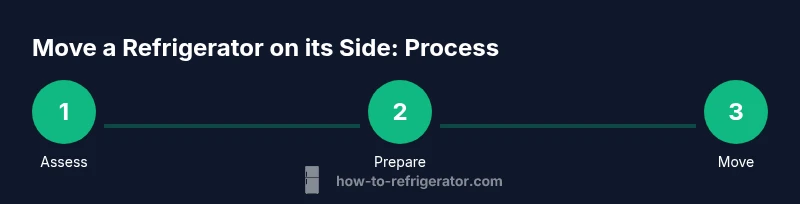
Survey the route from origin to destination. Measure doorway heights and widths, note obstructions, and confirm there’s enough space to maneuver the fridge without striking walls or fixtures. Decide whether side placement is truly necessary or if upright transport is possible.
Tip: Plan an escape route in case you need to reroute mid-move. - 2
Unplug and empty the refrigerator
Unplug the unit and remove all food. If power is on a timer, disable it. Remove shelves and drawers to reduce weight and prevent shifting during the tilt.
Tip: Take photos of contents to simplify restocking later. - 3
Disconnect water supply and ice maker if present
Shut off the water valve and disconnect any water line to prevent leaks. Cap or insulate exposed fittings to avoid spills.
Tip: Keep a towel ready for any residual drips. - 4
Remove doors or secure them
If you anticipate a bump or tilt, remove the doors with the appropriate tools so they don’t swing and cause injury.
Tip: Store doors vertically in a safe location for later reattachment. - 5
Pad and prepare the moving area
Lay down blankets on the floor and around corners. Position the dolly at the fridge’s center of gravity and ensure a stable stance before lifting.
Tip: Have a helper provide steady guidance during lift. - 6
Position the fridge on its side with a helper
With a teammate, carefully tilt the fridge onto its side using the dolly. Keep hands clear of edges and avoid twisting the body.
Tip: Move slowly and test balance at small increments. - 7
Secure and move to destination
Secure the appliance with straps to prevent shifting on the dolly. Roll slowly along the planned path, watching for uneven surfaces.
Tip: Pause to adjust footing if you encounter bumps or corners. - 8
Lower and position at final spot
Gently lower the fridge into its final orientation and slide it into position. Recheck level alignment and clearance.
Tip: Avoid dropping or banging onto the final surface. - 9
Wait for the cooling system to settle
After repositioning, allow the refrigerant and compressor to settle before powering on. This can take several hours depending on model.
Tip: Check for any indicator lights once you plug in. - 10
Reconnect power and test
Reconnect the power, reconnect water supply if used, and reinsert doors. Monitor cooling performance and listen for abnormal noises.
Tip: If temperatures don’t stabilize within a reasonable period, consult a technician.
FAQ
Is it safe to put a refrigerator on its side?
Generally not. Upright transport is preferred to keep oil where it belongs and to protect seals. If it must be moved on its side, minimize time there and let the unit settle before powering on.
In most cases, no. Upright transport is safer; if side placement is unavoidable, minimize the time and let the fridge settle before use.
How long should I wait before powering on after tilting?
The settling time varies by model, but providing several hours for the system to relevel is prudent. Always consult the manual for model-specific guidance.
Wait several hours, then check the manual for model-specific timing.
What are the risks if I tilt too long?
Extended tilting can cause compressor oil migration, seals to fail, and refrigerant circulation issues. This may reduce cooling efficiency or cause startup problems.
Oil migration and seal damage are real risks with long tilts.
Can I remove doors to aid transport?
Yes, removing doors can reduce weight and prevent damage—but store them safely so they don’t tip or fall during the move.
Removing doors helps prevent injury and damage if you must tilt.
Should I call a professional for a tight space move?
If space is very tight or if the fridge is built-in or complex, professional movers are recommended to minimize risk and warranty issues.
For complex setups, a pro move is safer.
What if my fridge won’t cool after the move?
Check that the unit is level, doors are properly sealed, and the compressor is running. If cooling doesn’t resume, power it off and contact a technician.
If cooling doesn’t resume after leveling, get help from a technician.
Watch Video
Top Takeaways
- Plan the move with precise measurements and an emergency path.
- Upright placement is the safest default option for fridge health.
- If side placement is unavoidable, limit time on its side and allow a settling period.
- Consult the owner’s manual or a pro if you’re unsure about model-specific rules.