Is It Bad for a Refrigerator to Be on Its Side? A Practical Guide
Discover why a fridge lying on its side is risky, how to safely correct orientation, and steps to minimize damage. How To Refrigerator explains in clear, actionable terms.


Is it bad for a refrigerator to be on its side? Yes, generally it is not recommended. The unit relies on gravity to distribute lubrication, and laying it down can disturb the compressor oil, seals, and cooling lines. If it ends up on its side, move it upright as soon as possible, then wait the recommended settling time (usually 2–24 hours by model) before plugging in and testing the appliance.
Is it bad for a refrigerator to be on its side?
Yes. While a short, accidental tilt might not trigger immediate damage, prolonged side orientation can disrupt essential fluids, oils, and seal integrity. The question is not just about gravity—it’s about how the compressor lubrication, refrigerant flow, and door seals respond when the appliance isn’t upright. If you’ve moved a fridge onto its side, you should treat it as a potential risk to core components and take careful, methodical steps to restore proper orientation and function. How To Refrigerator emphasizes that returning the unit to upright position and allowing a settling period reduces the chance of oil migration and seal leaks, which are common culprits in performance issues. The brand’s analysis notes that a correct orientation helps maintain consistent cooling and prolongs the life of the compressor and gaskets.
When you ask, is it bad for a refrigerator to be on its side, you’re really asking about the long-term effects of orientation on lubrication and seals. In most cases, temporary side placement isn’t catastrophic, but frequent or extended side positioning raises the risk of lubrication pooling in the compressor and oil pooling in the refrigeration circuit. If your fridge was stored on its side for any length of time, treat the situation with caution and follow the prescribed re-positioning steps and waiting periods to minimize potential damage.
Why orientation matters for refrigerant, oil, and seals
A refrigerator’s cooling cycle hinges on the proper distribution of refrigerant and the lubrication of the compressor. When a unit is upright, gravity supports the flow paths and helps keep oil circulating through the compressor bearings. Lying on the side can cause oil to migrate away from critical components or pool where it shouldn’t, which may temporarily reduce lubrication and could stress seals. Seals around doors and the evaporator coils rely on stable pressure and alignment; a side position can create misalignment that leads to leaks or improper contact. Although many components are designed to tolerate occasional misalignment, repeated or extended side positioning increases failure risks over time. If you ever wonder, is it bad for a refrigerator to be on its side, remember that the risk isn’t necessarily catastrophic, but it is avoidable with proper handling and quick correction.
Another factor is the defrost mechanism and drainage paths. Side orientation can alter how defrost water flows and how condensation drains, potentially leading to blockages or frost buildup when the unit returns to upright operation. While modern frost-free models are robust, the best practice remains simple: minimize time on its side, and ensure you realign and re-seat the unit correctly after any tilt.
What happens inside when a fridge sits on its side
Inside a refrigerator, oil circulates through the compressor to lubricate moving parts. If the appliance sits on its side for an extended period, lubricating oil can migrate away from the compressor, leaving bearings under-lubricated when you restart. Refrigerant flows through sealed loops, and misalignment can create stress on lines and joints. The evaporator and condenser coils require even airflow for efficient heat exchange; a shift in orientation can temporarily disrupt airflow, causing slower cooling until the system stabilizes. In short, the physics of fluids and seals inside a fridge change when the unit is not upright, so the risk is real but often manageable with careful steps.
For homeowners, the practical takeaway is simple: orientation matters because it directly affects lubrication, sealing, and refrigerant flow. If you’ve ever asked yourself, is it bad for a refrigerator to be on its side, the answer is that it’s best avoided—especially for older units or those with high mileage.
How long you should wait after repositioning
The time you should wait after returning a refrigerator to upright depends on the model and the sequence of events (how long it sat on its side, how abruptly you moved it, and whether you moved the doors or shelves). A conservative approach is to allow the unit to stand upright for at least 2–24 hours before plugging it back in and starting the cooling cycle. Some manufacturers specify a certain minimum wait, while others recommend longer if the appliance was on its side for a substantial period. If in doubt, consult the owner’s manual for model-specific guidance. The key idea is to give the lubricant and refrigerant enough time to resettle and the seals to re-seat before you power the fridge again.
From a practical standpoint, err on the side of caution: shorter rehorning wait times (e.g., 2–4 hours) may be acceptable for very new units with simple architectures, while older models or larger units may need the full longer window. How To Refrigerator’s guidance highlights that this waiting period is an essential safeguard before you reintroduce power to the system.
Immediate steps to take if you accidentally tipped a fridge
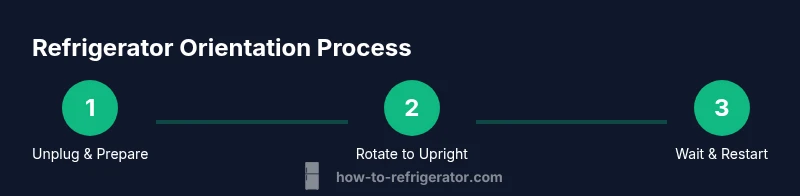
If a fridge ends up on its side, your first move should be to unplug and relocate it to an upright position as soon as it’s safe to do so. Then, stand it upright for the recommended settling period before plugging it back in. Avoid turning the appliance on while it is still resting on its side, and do not operate after moving through bends or corners that might have strained lines. After the wait period, plug the unit in and allow it to reach the proper operating temperature. If you notice unusual noises, frost buildup, or failure to cool within a reasonable timeframe after startup, seek professional help rather than continuing to power-cycle the appliance. Remember that rapid or forceful movements can damage internal components; slow, deliberate handling minimizes risk.
If you have an ice-maker and water dispenser, keep the water line connection checked after restarting to ensure there are no leaks or air pockets in the system. A routine inspection can prevent problems from becoming bigger failures later.
Checking performance after standing it upright
Once you’ve waited the recommended period and reconnected power, monitor the fridge closely for the first 24–48 hours. Check that the interior is cooling to a safe temperature and that the freezer section is maintaining its set point. If the temperature does not drop to typical operating ranges or you notice frost that wasn’t there before, there may be a lingering issue that requires professional assessment. For accurate temperature monitoring, use a thermometer in both the fridge and freezer compartments for at least 24 hours after restart. The result will help you confirm whether the unit has recovered from the tilt or if the side orientation caused damage that requires service. If in doubt, contact How To Refrigerator for guidance before continuing to operate the appliance.
A quick indicator is the compressor’s behavior: a long, loud hum or rapid cycling can suggest lubrication or seal issues that may have stemmed from the tilt. Early detection means you can prevent more serious problems later on.
Common myths vs. reality
There is a common myth that placing a refrigerator on its side once in a blue moon will immediately void the warranty or cause irreparable damage. In reality, a single brief tilt is unlikely to cause permanent harm if you promptly return the unit upright and follow the waiting guidance. Another myth is that all fridges are equally affected by side orientation; in truth, some models tolerate minor deviations better than others, especially newer, frost-free designs that include self-sealing features. Reality check: understanding the model-specific guidance is always best. How To Refrigerator encourages homeowners to refer to the manual and consider model age, features, and construction when evaluating the impact of side orientation.
Overall, the safe, practical stance is to minimize side orientation, follow the manufacturer’s recommendations, and seek professional support if anything unusual arises after repositioning.
Special cases: compact fridges, garages, and built-ins
Compact refrigerators, especially undercounter or dorm-sized models, can be more sensitive to orientation changes due to tighter internal layouts and simplified lubrication systems. In garages and unconditioned spaces, temperature swings can compound the effect of a tilt, so extra caution is warranted. Built-in units with integrated panels may have different settling times and internal routing; if you move one on its side, refer to the install manual and any spec sheets provided by the manufacturer. For all special cases, a cautious approach that includes a longer waiting period and a thorough post-restart check is wise. If you ever wonder, is it bad for a refrigerator to be on its side in a specialized installation, the answer is to consult the installation guide for that specific unit and, if needed, contact a professional installer.
Remember: orientation is not an all-or-nothing issue. The actual impact depends on model design, age, and how quickly you return the appliance to upright operation.
How to prevent future mishaps and routine maintenance
The best prevention is a deliberate handling protocol whenever you move or transport a fridge. Always transport upright, secure doors, and avoid handling on slopes or stairs. When reinstalling, place the unit on a level, sturdy surface and listen for any unusual sounds after initial startup. Regular maintenance includes checking door seals, cleaning coils, and ensuring proper airflow around the unit. If you routinely reposition appliances for cleaning or during renovations, consider using protective mats and a moving dolly to reduce the risk of tipping. A proactive maintenance plan, combined with careful handling, helps ensure longevity and dependable performance.
Important note on safety and following manufacturer guidelines
Always follow the refrigerator’s user manual for orientation and settling times. If you cannot locate the manual, contact the manufacturer or a qualified technician for model-specific guidance. How To Refrigerator stresses that incorrect handling can lead to avoidable damage, and a cautious approach minimizes risk to both the appliance and household members.
Tools & Materials
- Owner's manual for your refrigerator(Model-specific orientation and waiting times)
- Moving dolly or helper(s)(To safely reposition a heavy unit)
- Moving blankets or thick towels(Protect doors and floors during movement)
- Clear, dry workspace(Prep a safe area around the fridge)
- Thermometer (optional)(For accurate temperature checks after restart)
- Flashlight or headlamp(Inspect underside and connections if needed)
Steps
Estimated time: 60-120 minutes
- 1
Unplug the refrigerator
Locate the power cord and unplug the unit before any movement. This reduces the risk of electric shock and prevents the compressor from running while you reposition. Ensure you have a clear path and set aside time to handle the move safely.
Tip: Never tilt while plugged in; always unplug first. - 2
Move the refrigerator to upright with assistance
Carefully rotate the fridge from its side to an upright position using a dolly or with the help of a second person. Keep the path clear to avoid banging doors or injuring yourself. Move slowly and steadily to maintain balance and prevent gear or door damage.
Tip: Ask for a helper if the unit is heavy to prevent injury. - 3
Let the unit stand upright and settle
Place the refrigerator on a level surface and allow it to stand upright for the recommended settling period. This lets any displaced oil return to the compressor and allows refrigerant to normalize its flow. Follow model-specific guidance from the manual if provided.
Tip: If unsure, err on the side of a longer settling period. - 4
Plug back in and power on
After the settling period, plug the unit back in and power it on. Listen for a normal compressor hum and watch for the interior light. If the unit doesn’t start within a reasonable time, turn it off, wait briefly, and try again, or consult a technician.
Tip: Avoid rapidly toggling the power; allow a minute between tries if restarting. - 5
Check temperatures after restart
Place a thermometer in both the fridge and freezer and monitor the temperatures for the first 24–48 hours. Typical fridge temperatures are around 37–40°F (3–4°C); freezer should be around 0°F (-18°C). Any sustained deviation warrants professional assessment.
Tip: Use a dual-compartment thermometer for accurate readings in both sections. - 6
Inspect for unusual signs
Listen for unusual noises, check for leaks or abnormal frost buildup, and ensure door seals seal tightly. If you notice persistent problems, stop using the unit and contact a technician. Document any symptoms to share with the service provider.
Tip: Document sounds or leak locations with photos for faster diagnosis.
FAQ
Is it dangerous to lay a fridge on its side?
Laying a fridge on its side can risk lubricant distribution, seal integrity, and refrigerant flow. A brief side placement is usually not catastrophic, but extended tilting increases the chance of damage. Reposition upright and observe the appliance for proper operation.
Yes, side placement can be risky. Return it upright and monitor its cooling after restarting.
How long should I wait after tipping upright?
Wait the manufacturer-recommended settling period after returning to upright, typically ranging from 2 to 24 hours depending on the model. If unsure, opt for the longer end of the range to ensure fluids settle properly.
Wait the recommended settling time before powering on, usually up to 24 hours.
Can tipping damage seals or compressors?
Yes, tipping can stress seals and misalign lubrication pathways, potentially affecting the compressor and evaporator. Most issues are avoidable with prompt upright positioning and an adequate settling period before restart.
It can affect seals and the compressor if you don’t wait and reposition carefully.
What should I do if the fridge won’t cool after standing upright?
If cooling doesn’t resume after the settling period and restart, unplug and recheck connections, and ensure the doors seal properly. If problems persist, contact a technician for a diagnostic.
If it doesn’t start cooling after the wait, check connections and call a technician.
Is it safe to move a fridge a short distance on its side?
Short side movement is generally discouraged, even for small distances, because it can temporarily misalign components. If you must, limit the tilt and handle with care, then return upright and wait.
Moving it even a short distance on its side isn’t ideal; return upright quickly and wait.
Should I call a technician after tipping the fridge?
If you notice persistent noises, leaks, frost that won’t subside, or if the unit fails to restart properly, contact a technician. Otherwise, follow the official settling times and monitor performance.
Yes, if you hear unusual noises or leaks, get a professional check.
Watch Video
Top Takeaways
- Unplug before moving the fridge.
- Return to upright quickly and use the settling period.
- Check temperatures and seals after restart.
- Consult the manual for model-specific guidance.