Can You Lay a Refrigerator Down: Safe Transport Guide
Learn whether you can lay a refrigerator on its side, plus a comprehensive, step-by-step guide to transport safely, protect critical components, and restore proper operation after relocation.


Can you lay a refrigerator down? In rare situations you may need to move a fridge on its side, but it carries risks. The safest option is to keep it upright during transport and only lay it down if the manual allows it and you follow careful precautions to protect the compressor and seals. This quick answer points you to a detailed, step-by-step process.
Risks of laying a refrigerator down
If you’ve ever asked can you lay refrigerator down, the short answer is that it’s generally not advised. The compressor and lubricant inside a refrigerator are designed to function best in an upright orientation. Tilting or laying the unit on its side can cause oil to migrate away from the compressor, leading to inadequate lubrication when you restart. This can result in noisy operation, reduced cooling performance, or accelerated wear of gaskets and seals. According to How To Refrigerator, straying from vertical transport can void warranties and increase repair costs. In practice, most relocations are accomplished by keeping the unit upright on a sturdy dolly, with doors secured and a clear path. If you must tilt briefly to pass a doorway, limit the angle and avoid moving with the doors free to swing. The risk isn’t only mechanical; it can affect water lines, defrost drains, and interior components. Weigh the risk against the need and choose upright transport whenever feasible.
When you might need to lay a fridge down
There are rare situations where laying a refrigerator down might seem necessary—for example, an extremely tight doorway, a long flight of stairs, or a delivery scenario where a straight upright path isn’t possible. In such cases you should consult the owner’s manual and confirm that the appliance can be laid on its side without voiding warranty. If the manual allows this orientation, proceed with extreme caution, using a compatible dolly and protective blankets to minimize impact on exterior finishes. As a homeowner, you should understand that this option is not routine and should only be used when no alternative exists. How To Refrigerator recommends exhausting all upright relocation options first and documenting the orientation in case future service is needed.
Preparation before transport
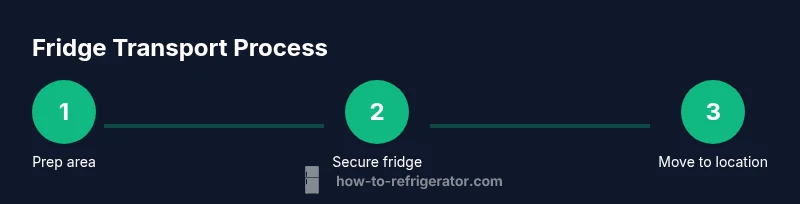
Before attempting any lateral move, prepare the work area and gather the right tools. Clear a wide, dry path, remove food and adjustable shelves, and unplug the unit well in advance to minimize warm air exposure inside the cabinet. It’s important to deflate the doors by securely taping them shut to prevent swinging during movement, and to protect the exterior with moving blankets. Check the floor condition and ensure there is no moisture or debris that could cause slips. If you have to move the fridge through a doorway, measure the dimensions and consider disassembly of doors or hinges if recommended by the manufacturer. Remember, preparation reduces the risk of damage and makes the follow-up steps more predictable.
Securing and protecting the fridge during the move
During transport the fridge must be protected from impact and vibration. Use an appliance dolly with wide, solid wheels and secure the unit with moving straps to prevent shifting. Place a plywood base or thick blanket under the fridge to distribute weight and prevent scratches on floors and doors. If you’re going to tilt the unit, do so gradually and keep the back side facing the dolly to protect the compressor lines. Label the doors to remind movers which orientation to return to, and keep pets and bystanders away from the path. These precautions help maintain alignment of internal components and reduce the chance of door damage or interior shifting.
If you must tilt: safe orientation and methods
If an upright move is truly impossible and you must lay the refrigerator down for a short time, adopt a conservative approach. Lay it on its side with the hinge area secured and the coolant lines oriented away from potential compression during the move. Do not rotate the unit more than necessary, and avoid resting it on the back or front in a way that could kink lines. Keep the doors taped shut and use blankets to cushion corners. Remember that this is a temporary solution; plan to return the fridge to a vertical position as soon as the path is clear and you have a safe staging area.
Repositioning upright and letting the oil settle after the move
Once the fridge is safely positioned upright again, give it time to settle before plugging it in. The oils and refrigerant may shift during transport, so aim to restore normal orientation and wait several hours before reconnecting power if possible. When you do plug in, verify that the temperature controls respond normally and listen for any unusual noises. If the compressor runs loudly or the cooling seems inadequate, consult a professional rather than continuing to power-cycle the unit. How To Refrigerator emphasizes patience here to avoid compounding issues with oil migration or seal integrity.
Manufacturer guidance and warranty considerations
Manufacturer guidance should always take precedence over general advice. Many refrigerator manuals explicitly prohibit side or back laying, and some warranties require upright relocation only. If you can’t locate the manual, contact the manufacturer’s support line before moving the appliance. Documenting the orientation and steps you took can ease warranty or service processes if trouble arises. The How To Refrigerator team notes that following official guidance reduces the likelihood of post-move failures and preserves appliance longevity.
Common mistakes to avoid
Common mistakes include rushing through an upright relocation, failing to secure doors, neglecting to protect finishes, and ignoring manufacturer guidelines. Avoid tilting more than necessary, never move on a wet surface, and do not power the unit while it is in a questionable position. Also avoid using makeshift supports that could pinch wires or bend doors. Finally, never ignore unusual noises after the move; early inspection can prevent long-term damage.
Real-world scenarios and practical alternatives
In real homes, a tight doorway or staircase can force a temporary side position, but professionals usually offer alternatives such as temporary dismantling or temporarily removing doors to gain clearance while keeping the unit vertical whenever possible. If an upright move is truly impractical, consider hiring professional movers with appliance-transport expertise to reduce risk. For many households, a careful plan to avoid side-placement is worth the extra effort to protect essential components and the warranty.
Final safety checks before plug-in
Before you reconnect power, inspect the area for clear airflow around the condenser grill and ensure the cabinet is level. Re-check door seals for any distortion after the move and confirm the hinge area is intact. When in doubt, wait longer and perform a cautious test—listen for smooth start-up and monitor the temperature as the unit begins to cool. Following these checks reduces the chance of post-move failures and keeps your refrigerator reliable.
Tools & Materials
- Appliance dolly(Flat, wide base; load capacity equal to or greater than fridge weight)
- Moving blankets(Protect exterior finishes and doors)
- Straps or tie-downs(Secure the unit to the dolly to prevent shifting)
- Plywood sheet(Distribute weight and protect floors when mounting on stairs or uneven surfaces)
- Masking tape(Label doors and orientation to ease reassembly)
- Assistant or helper(Extra hands improve balance and safety during lifting)
Steps
Estimated time: 90-120 minutes
- 1
Prep the area and secure help
Clear a wide, dry path from the fridge’s current location to the destination. Gather at least one helper and lay down blankets to protect floors. Confirm doorways can accommodate the unit and plan for a safe route.
Tip: Assign a leader and a spotter to keep the move coordinated. - 2
Unplug and empty the contents
Unplug the fridge and remove perishables. Take out shelves and items that could shift during transport. Secure the doors with tape or straps so they don’t swing during movement.
Tip: Keep a hand on the door as you release latches to prevent sudden swings. - 3
Position the dolly and attach straps
Roll the dolly next to the fridge with the unit upright. Tilt the fridge only as much as needed and secure it to the dolly with straps to prevent sliding.
Tip: Place a blanket between the fridge and dolly to avoid scratches. - 4
Move to the destination with care
Slowly wheel the fridge along the planned route. If you must pass through a tight space, consider removing doors or adjusting the route to stay upright. Keep the load balanced at all times.
Tip: Take breaks if you encounter a difficult stretch to maintain control. - 5
Set down and re-check orientation
Lower the fridge onto the new location and ensure it rests on a stable, level surface. Recheck the door alignment and confirm the unit is oriented in the correct direction for reconnecting power later.
Tip: Avoid sliding while levelling; use shims if needed for a level setup. - 6
Wait before plugging in
After repositioning, give the appliance a grace period before power is applied. This helps settle any shifting oil or refrigerant and reduces startup stress on the compressor.
Tip: If possible, wait several hours and monitor ambient temperature around the unit.
FAQ
Can you lay a refrigerator down?
It’s generally not recommended unless the manufacturer explicitly allows it. Upright transport minimizes oil migration and protects the compressor. If side placement is unavoidable, proceed with caution and follow the steps outlined in this guide.
Laying a fridge down is usually not advised. Only do it if the manual allows it, and follow careful steps to protect the compressor.
What are the risks of laying a fridge on its side?
Risks include oil migrating away from the compressor, potential seal damage, and misalignment of internal components. This can affect cooling performance and may void warranties.
Oil migration and seal damage are the main risks when a fridge is laid on its side.
How long should you wait after moving before plugging in?
If possible, wait several hours to allow the refrigerant and oil to settle after repositioning. When you do plug in, monitor the unit for normal startup sounds and consistent cooling.
Wait a few hours, then plug in and watch for normal operation.
Will laying it down void the warranty?
Warranty terms vary by manufacturer. Many manuals discourage side placement. Checking the manual or contacting customer service can prevent warranty issues.
Check the manual or contact support to confirm whether side placement affects your warranty.
What about fridges with ice makers or water lines?
Ice maker lines and water connections are sensitive to orientation. If moved on its side, disconnect water lines and ensure no kinks or leaks when you reassemble.
Be careful with water lines; disconnect and inspect for kinks after moving.
What are safer alternatives to avoid laying down?
Consider removing doors to reduce width, disassembling shelves as needed, or hiring professionals to handle the move upright. These options preserve components and reduce risk.
Safe alternatives include removing doors or hiring pros to move upright.
Top Takeaways
- Transport appliance upright whenever possible
- Secure doors and protect surfaces during move
- Consult the manual before side-placing
- Allow time for settling before plugging in
- Warranty implications vary by manufacturer