Can a Refrigerator Be Laid Down for Transport? A Homeowner's Guide
Learn whether you can lay a refrigerator down for transport and follow a safe, step-by-step approach to move and restart it. Upright transport is safest; if you must tilt, know the precautions and restart steps.


Most refrigerators should stay upright during transport. The can a refrigerator be laid down for transport? Usually not. Laying a fridge on its side or back can risk oil from the compressor entering the refrigerant line and potentially damaging seals. If you must move it on its side, minimize lay time, secure the doors, and return to upright promptly, then let fluids settle before powering on.
Can a Refrigerator Be Laid Down for Transport? A Practical Overview
If you’re wondering can a refrigerator be laid down for transport, the short answer is usually no. According to How To Refrigerator, upright transport is the safest option for most refrigerators because vertical orientation keeps the compressor oil and refrigerant in their designed paths and minimizes the risk of door damage. This article explains how to move a fridge safely, what to do if you must lay it down, and how to get it back up and running without causing harm to its cooling system or seals.
Before you attempt any move, consider the obstacle map: door clearance, stairwells, and floor surfaces. If you’re shipping a fridge across town, renting a moving dolly and strong straps will reduce the risk of tipping. The main hazards of laying a fridge on its side include oil drainage into the refrigerant circuit, coolant leaks, and misalignment of the doors or racks. In short, plan ahead, protect the doors, and keep the unit upright whenever possible. If you absolutely must tilt it for transport, minimize exposure time and ensure the fridge is level when it’s reinstalled.
Before You Move: Safety and Planning
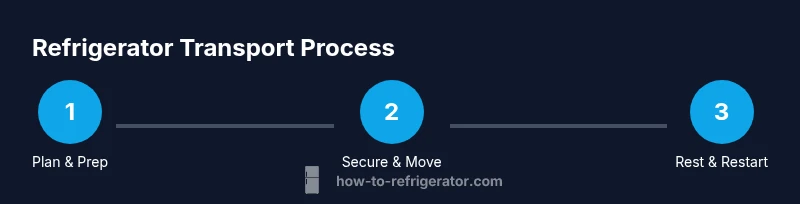
Preparing for a fridge move starts with safety and organization. First, unplug the unit and remove any food to prevent spills. If you can, defrost the freezer for a cleaner move, but avoid sudden temperature changes that could stress seals. Clear a wide path free of obstacles, then assemble your moving kit: a sturdy dolly, moving straps, and moving blankets. If you have to share the load, recruit a second person to help with balance and door protection. For homeowners, planning a two-stage move (inside the house first, then to the truck) reduces last-minute mishaps. This stage also involves securing the fridge doors with tape or straps to prevent swinging during transport, ensuring shelves and drawers are removed or stabilized, and checking the floor for slick surfaces that could cause slips.
If You Must Lay It Down: Step-by-Step Precautions
Tilting a refrigerator should be considered a last resort. If the move requires laying it down on its side, choose the side that minimizes the risk of hoses and wiring being pinched and place the unit on a soft, flat surface. Secure all doors and remove loose shelves or drawers to prevent movement inside the cabinet. Use straps to stabilize the chassis and keep the unit upright as much as possible during loading. Mark the path and move slowly to avoid jolts that could dislodge internal components. After transport, avoid powering on immediately; return to an upright position and let the fluids settle for a conservative period before plugging in.
Transport Upright: Best Practices to Protect Your Fridge
Whenever possible, transport the appliance upright. This minimizes the risk of oil migrating through the compressor and preserves the refrigerant balance. Use a dolly sized for the fridge, place moving blankets on the floor to protect floors, and wrap the unit in blankets to prevent cosmetic damage. Secure the fridge with straps tied to the dolly, not to the handles, and keep the doors closed with additional tape or straps. Create a clear route, avoid stairs or ladders when possible, and have two people assist with lifting and maneuvering to maintain balance and prevent tipping.
After the Move: Getting It Running Again
Once you’ve reached the destination and set the fridge in place, stand it upright and allow fluids to settle before powering on. Reattach any shelves, drawers, and back panels that were removed. Plug the unit into a properly sized outlet and monitor for proper cooling over the next several hours. Check the door seals for leaks and ensure the doors close firmly. If the unit was defrosted, wipe down any frost buildup and inspect the condenser coils for dust buildup, which can affect cooling efficiency. For most models, waiting a few hours before powering on helps ensure internal fluids have settled and reduces the risk of compressor damage.
Tools & Materials
- Moving dolly(Sturdy, rated for the fridge weight; wide base recommended)
- Moving straps(Two-person setup; secure to the dolly and unit frame)
- Moving blankets(Protects surfaces and handles; wrap around corners)
- Tape or rope(Securing doors and stabilizing contents)
- Screwdriver/Hex key(Remove shelves or parts if needed)
- Gloves(Protection for hands during lift)
- Level(Check long-term installation level after move)
Steps
Estimated time: 60-90 minutes
- 1
Unplug the fridge
Power off the unit and unplug from the outlet. If equipped, shut off any water lines to avoid leaks. This reduces electrical hazards and helps with defrosting as needed.
Tip: Always unplug at the wall, not the cord end, to avoid damaging the outlet. - 2
Empty and secure contents
Remove all food and transfer perishables to a cooler. If defrost is planned, start early and allow time for moisture to drain away from the unit.
Tip: Use a cooler with dry ice or ice packs to keep food cold during the move. - 3
Secure shelves and drawers
Remove loose shelves and drawers or secure them with tape to prevent shifting that could bend shelves or crack glass.
Tip: Keep shelves in a labeled tote to simplify reassembly. - 4
Prepare the moving path
Clear a wide route, remove obstacles, and lay down blankets to protect floors. If you must pass stairs, have one helper guide and steady the unit.
Tip: Test door clearance ahead of time to avoid getting stuck. - 5
Load onto the dolly and secure
Gently tilt the fridge and slide it onto the dolly, keeping it as upright as possible. Strap the unit securely to the dolly and cushion with blankets.
Tip: Never lift the fridge by its handles alone; use a second person and proper lifting technique. - 6
Move upright and settle after transport
Transport the fridge upright and set it down in the new location. Stand it upright for several hours before powering on to allow fluids to settle.
Tip: Avoid powering on immediately after placement; give time for oil to settle in its proper position.
FAQ
Should I lay a refrigerator down to move it?
In most cases, upright transport is safest. Laying it down increases the risk of oil migration and damage to seals. If you must tilt, do so for the shortest time possible and return to upright before powering on.
Upright transport is usually safest. If you must tilt briefly, keep it short and upright before use.
How long should a fridge stand after moving upright?
Allow the fridge to stand upright for several hours before powering on to let fluids settle and the compressor oil redistribute.
Let it stand upright for several hours before turning it back on.
Is removing shelves necessary before transport?
Removing or securing shelves reduces shifting and damage during movement. Reinstall them once the unit is in place.
Yes, remove or secure shelves to prevent damage during a move.
What if my fridge has a water dispenser?
Disengage or isolate the water line if safe to do so, and ensure any hoses are secured to prevent damage during movement.
Isolate any water lines and secure hoses if present.
Can I transport a fridge in a car or small vehicle?
Large fridges require a truck or van with enough space to keep them upright. Do not cram a fridge into a small car if it risks tipping or door damage.
Usually not feasible in a regular car; use a larger vehicle and proper equipment.
Watch Video
Top Takeaways
- Transport upright whenever possible.
- Secure doors and stabilize shelves before moving.
- Allow fluids to settle by resting upright before powering on.
- Plan the route and use proper equipment for safety.