Can You Haul a Refrigerator Laying Down? Safe Moving Guide
Learn whether you can move a refrigerator on its side, the risks involved, and step-by-step safeguards. This practical guide from How To Refrigerator helps homeowners relocate appliances safely with clear checks, tools, and tips.


Can you haul a refrigerator laying down? In most cases, no—the appliance is designed to operate upright, and side or back transport can damage the compressor, oil, and seals. If you must move it on its side for a short distance, follow manufacturer guidance, protect critical connections, and plan to stand it upright as soon as possible before plugging in. This guide from How To Refrigerator explains safe alternatives and best practices.
Can You Haul a Refrigerator Laying Down? What Homeowners Should Know
Can you haul a refrigerator laying down? The short answer for most models is no, not for regular moves. Refrigerators are engineered to run upright, with lubrication and refrigerant paths that rely on gravity in a vertical orientation. When tipped or laid flat, compressors can fail, oil may not distribute correctly, and gaskets can leak. According to How To Refrigerator, always check the user manual for orientation guidance before attempting any move. If the move is unavoidable, document the model information, and proceed with extreme caution, using the manufacturer’s recommendations as a non-negotiable baseline. This topic matters because improper handling can lead to costly repairs and wasted food. Homeowners attempting a lay-down move should be prepared with a detailed plan and strict safeguards to minimize risk.
Why Position Matters for Fridge Moving
Position matters because the refrigeration system depends on gravity to circulate oil and refrigerant. Side-to-side transport can cause lubrication pooling or oil migration away from the compressor, increasing the risk of startup failures after the move. The seals around doors and the defrost drain can be stressed when the appliance is not upright, leading to leaks or frost buildup after reassembly. How To Refrigerator analysis shows that safe moves prioritize upright transport whenever possible and reserve side-tilt only for the briefest, manufacturer-approved scenarios. If you must lay the unit down, choose the side that places minimum stress on the compressor and ensure all connections are fully protected.
When Laying Down Is Necessary: How to Do It Safely
In rare cases—such as very tight stairwells or elevator constraints—a lay-down move might be necessary. If you proceed, lay the fridge on its side only for the shortest possible distance and away from the condenser coils to reduce heat exposure. Use thick moving blankets to cushion the cabinet and avoid resting any wiring or hoses on sharp edges. Always lay the appliance on its side with the hinge side oriented to prevent door drop and secure the doors shut with tape or straps to prevent opening during transit. Remember that the way you position this unit will influence how safely it re-starts after relocation.
Pre-move Prep: Clear Path, Power, and Food
Before touching the appliance, unplug it and defrost if needed, especially if there is standing water in the drain tray. Empty shelves, remove all perishables, and secure loose items. Inspect the route for low ceilings, doorways, and floor resilience; hardwood floors can scratch easily, so protect the path with blankets or sliders. Turn off light indicators, unplug the ice-maker if possible, and disconnect water lines only if you’re trained to do so. Have spare batteries, tape, and markers on hand for labeling cables and hoses. A clear plan reduces the risk of accidental drips, spills, and door slams during the move.
Equipment Checklist: Tools and Materials You’ll Need
To move a refrigerator safely, assemble a basic toolkit focused on protection and balance. The essential items include a sturdy appliance dolly, moving blankets, ratchet straps, and soft sliders. Have a second person assist, along with protective gloves. Use door jam wedges to prevent doors from swinging during loading, and carry a measuring tape to confirm doorway clearance. Keep a flashlight, marking tape, and a sharp utility knife handy for quick adjustments. This kit minimizes damage to floors, walls, and the appliance itself while providing better control during the lift.
Step-by-Step Summary: From Preparation to Placement
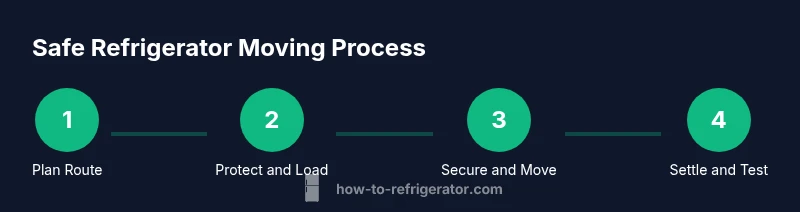
When a lay-down move is unavoidable, plan a controlled sequence to minimize risk. Start by verifying the path and securing all loose items. Then protect the fridge with blankets and position it near the dolly. Carefully tilt and load onto the dolly with two trained helpers, then secure with straps. Move slowly, keeping the unit stable and level. Finally, position the fridge upright at the destination and allow the refrigerant to settle before powering on. These actions reduce the likelihood of oil pooling and gasket damage after the move.
Common Mistakes to Avoid During the Move
Avoid tilting the unit more than necessary; never drag the fridge across a rough surface. Do not power up a fridge immediately after moving; allow time for the oils to settle and the refrigerant to redistribute. Do not skip door protection or skip securing coils, pipes, or electrical harnesses. Poorly secured doors can cause injury or damage. Finally, don’t assume all models tolerate side orientation; consult the user manual and manufacturer guidelines. Following these cautions helps prevent expensive repairs and data loss from spoiled food.
After the Move: Uprighting, Settling, and Testing
Once you reach the new location, stand the fridge upright as soon as possible and secure it to prevent tipping during initial movement. Leave it unplugged for several hours to allow refrigerant to settle; only then reconnect the power and water lines if applicable. Start with a basic temperature test—set to a mid-range and monitor over several hours. If you notice unusual noises, frost buildup, or leaks, contact a technician. This post-move care is essential to restore efficiency and avoid long-term issues.
Special Scenarios: Narrow Entrances, Stairs, and Long Distances
Moving a fridge through tight corners or multiple levels requires extra planning. For stairs, use a two-person hoist with a stabilizing strap; keep the load close to your body and avoid twisting. If you face long distances, consider a professional appliance mover for safety and insurance coverage. For garages or cold climates, wrap the unit to protect it from humidity and temperature shifts, and ensure the environment is dry and level upon placement. Each scenario demands careful assessment and slow, deliberate action to prevent damage to the appliance or the home.
Final Guidance: When to Call a Pro and What to Expect
If your path includes stairs, multiple corners, or long distances, professional movers are often the safer choice. They bring specialized equipment, insurance coverage, and a trained team that can handle unexpected challenges. If you do hire help, request a written plan, confirm the right orientation for your model, and inspect the area for trip hazards and fragile surfaces. The How To Refrigerator team recommends prioritizing safety and manufacturer guidelines to sustain the fridge’s longevity and performance.
Tools & Materials
- Appliance dolly (sturdy, with straps)(Use a dolly designed for heavy appliances; secure with straps)
- Moving blankets or quilts(Protect cabinet surfaces and doors)
- Ratchet straps or soft straps(Keep the fridge secured to the dolly)
- Two or more helpers(Face the load and coordinate lifting)
- Door jam wedges(Prevent doors from swinging during transport)
- Floor sliders or furniture sliders(Ease initial repositioning on hard floors)
- Measuring tape(Check doorway clearance and path width)
- Gloves(Protect hands during lifting and guiding)
Steps
Estimated time: Active moving time: 60-120 minutes. Post-move settling: several hours (often 2-6 hours) before plugging in.
- 1
Plan the route and check clearance
Survey doorways, hallways, and stairwells. Measure widths and verify that the fridge, when laid on its side, can pass without obstacles. Decide which side to place the fridge on if you must lay it down, and identify a short, clear distance for the initial move.
Tip: Have a second person guide you and communicate every motion. - 2
Unplug and empty the fridge
Unplug the appliance and remove all contents. If needed, defrost to prevent water leakage during transport. This reduces weight and prevents spills that could damage floors or the appliance.
Tip: Keep a plastic bag ready for any defrost water. - 3
Secure doors and contents
Close and secure doors with tape or rope to prevent swinging during transport. Remove shelves and drawers if they could shift during movement; wrap them separately.
Tip: Label shelves to ease reassembly. - 4
Protect the cabinet
Cover the fridge with moving blankets on all sides. Pad any sharp edges and corners. This reduces the chance of dents and panel damage when navigating tight spaces.
Tip: Wrap coils and hoses to avoid pinching. - 5
Position for loading
Move the fridge to the dolly location with helpers ready to lift. Slide the dollied fridge onto the dolly platform, keeping it level as you load.
Tip: Keep the load close to your body to reduce strain. - 6
Secure the load
Fasten the fridge to the dolly with ratchet straps. Check balance and center of gravity before moving. Test stability by gently rocking the load.
Tip: Double-check strap tension to prevent shifting. - 7
Move slowly and mindfully
Transport the fridge along the planned path with careful, slow movements. Avoid sudden stops or turns, which could dislodge the load or damage floors.
Tip: Take extra time on corners and thresholds. - 8
Unload and stand upright
At the destination, unload from the dolly and place the fridge in its upright position as soon as feasible. Do not rock it while upright; stabilize first.
Tip: Have a second person steady during placement. - 9
Settle before powering on
Wait several hours with the fridge upright before plugging in to allow refrigerant and oil to settle. Reconnect water lines if applicable and run a temperature check before restocking.
Tip: If you moved on its side, consider a short wait before starting.”
FAQ
Is it ever safe to haul a refrigerator laying down?
Generally not safe for most refrigerators; the compressor and oil rely on upright orientation. Only consider a lay-down move if the manufacturer explicitly allows it and for a very short distance, with all precautions followed.
Laying a refrigerator down is usually not safe. Only do it if the manual allows it, and only for a very short distance with strict safeguards.
Do all fridges tolerate side orientation?
No. Many models require upright transport. Always check the owner's manual or contact the manufacturer before attempting a side or back move.
Not all fridges tolerate being laid on their side. Check the manual first or contact the maker.
What is the best way to secure the doors during transport?
Secure doors with tape or straps to prevent movement. Remove or secure loose shelves and avoid placing pressure on hinges.
Secure the doors with tape or straps. Remove loose shelves and protect hinges.
How long should I wait before plugging in after moving?
Wait several hours to allow refrigerant and oil to settle. Then test the temperature and cooling performance before adding food.
Wait a few hours, then test the fridge before putting food back in.
Should I hire professionals for long moves?
For long moves, stairs, or complex layouts, professional appliance movers offer safer handling and insurance coverage.
Yes—professional movers are often the safer option for long or tricky moves.
What if there is a defrost drain issue after moving?
Check for kinks in drainage lines and ensure the drain is clear. If freezing or leaking persists, seek professional service.
If the defrost drain is blocked or leaking after a move, check lines and clear obstructions; call a pro if needed.
Can I move a fridge myself if I have a narrow doorway?
A tight doorway increases risk; consider professional movers or temporary disassembly to create a wider path.
Tight doorways can be risky—consider pros or disassembly to widen the path.
Watch Video
Top Takeaways
- Always prefer upright transport when possible.
- Use proper protection and securing methods during the move.
- Allow time for settling before powering the fridge after relocation.
- Consult manufacturer guidelines before attempting side or back transport.
- Consider professional movers for complex moves or stairs.