Can You Get a Refrigerator: Repair vs Replace Guide (2026)
Learn how to decide between repairing or replacing your refrigerator with practical steps, energy savings, and safe disposal options for homeowners in 2026.


Quick assessment: can you fix or replace a refrigerator?
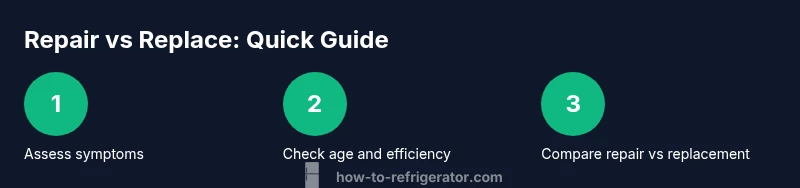
For homeowners facing a fridge problem, the first step is a quick triage. Identify whether the unit simply isn’t cooling, has frost buildup, leaks, or unusual noises. Check the door seals for gaps, verify the condenser coils aren’t clogged, and listen for a running compressor. Because refrigerators are complex, use common-sense safety: unplug the unit before touching electrical components and avoid attempting refrigerant work yourself. According to How To Refrigerator, most minor cooling issues can be resolved with basic troubleshooting and simple parts replacement. This block helps you decide if you’re dealing with a quick fix or a larger decision about replacement, saving time and money in the long run.
Age, wear, and energy usage: what to weigh
Age is a major predictor of repair viability and energy costs. Newer models tend to be more energy-efficient and may justify repair costs with lower ongoing bills, while very old units often require expensive parts that are hard to source. How To Refrigerator notes that aging can amplify problems such as compressor wear or refrigerant leaks, making a repair less reliable. Consider the total cost of ownership: the upfront repair bill plus expected energy consumption versus the price of a newer, more efficient model. If the fridge is nearing the end of its expected life and repairs are frequent, replacement might offer better value. This section helps homeowners form a long-term view rather than chasing a short-term fix.
Cost considerations: repair vs replacement
Repair costs can vary from simple part swaps to more involved compressor work. Replacement price ranges depend on size, configuration, and features. The core issue is whether the repair cost approaches or exceeds the value of a new unit when you factor in energy savings over time. If a repair would require multiple visits or expensive parts, replacement often yields a more predictable budget and fewer interruptions. How To Refrigerator emphasizes using a cost-benefit lens: estimate the total repair bill, compare it to a mid-range new model, and account for potential energy savings. A careful calculation helps homeowners avoid “nickel-and-dime” fixes that don’t move the needle long-term.
Common fridge faults homeowners can troubleshoot
Not cooling, intermittent cooling, and abnormal frost are among the most frequent issues. Start by checking the thermostat settings, airflow vents, and door seals. A clogged condenser coil or dirty fan can reduce cooling efficiency; cleaning these components is often straightforward. If water pools inside, look for a blocked defrost drain or a kinked drain hose. If ice maker accuracy is off, inspect the water line and filter. For many faults, a simple part replacement (gasket, filter, or sensor) can restore function without a full replacement. Document symptoms as you troubleshoot to share with a technician if needed. This approach keeps you in control and minimizes costly guesswork.
Electrical and safety checks you can perform safely
Always disconnect power before inspecting wiring or control boards. Check the outlet for proper voltage and the cord for wear or damage. Inspect the back of the unit for loose connections or buzzing from a faulty fan motor. If you’re not confident handling electrical components, skip the risky steps and schedule a service call. Use a non-contact tester to verify the presence of voltage before touching any live parts, and keep liquids away from electrical areas. The goal is to confirm safe operation without introducing additional hazards. This section provides prudent guardrails that protect you and your home while you assess issues.
When to call a pro and what to expect
Professional assessment clarifies whether a fridge should be repaired or replaced. Expect a diagnostic visit that includes measuring refrigerant pressure, testing electrical circuits, and evaluating compressor health. Technicians may quote for parts like seals, sensors, or fans. If replacement is advised, discuss delivery, installation, and any haul-away options. If repair is the chosen path, ask about warranty coverage on the repaired component and what maintenance schedule is recommended. A clear, itemized estimate helps you compare options and avoid surprises. This section helps homeowners partner effectively with service providers while protecting their investment.
Replacing a refrigerator: planning and budgeting
If replacement is the best option, plan around your space constraints, layout, and preferred features (size, configuration, shelves, and door swing). Compare energy ratings and warranties to maximize long-term value. Prepare for delivery access: clear a path, measure doorways, and consider new location safety. Budget for the total cost, including delivery, installation, and removal of the old unit. Look for utility rebates or promotional programs that enhance value. Planning ahead reduces stress and ensures you select a model that fits your home and lifestyle. This section guides homeowners through a smooth, informed replacement process.
Energy efficiency and rebates: saving money long-term
New refrigerators deliver energy savings that compound over years. When evaluating options, prioritize models with top-tier energy ratings and innovative features that minimize standby consumption. Explore utility-sponsored rebates and manufacturer promotions that can reduce upfront costs. Keep an eye on the payback period—how long it takes for energy savings to offset the purchase price. How To Refrigerator recommends comparing different models using a simple matrix: energy rating, annual cost to operate, and estimated repair frequency. This approach helps homeowners select a fridge that balances performance, cost, and environmental impact.
Disposal, recycling, and donation options
Disposing of an old refrigerator responsibly is important. Many communities offer appliance recycling programs that recover refrigerants and metals safely. If the unit still runs, consider donation to a nonprofit or a community repair program where possible. Before disposal, remove doors to prevent hazards and contact your city’s waste management for pickup guidelines. Some retailers offer take-back programs when delivering a new fridge. Understanding available options helps you reduce waste and support sustainability while meeting local regulations.
Quick-start checklist for next steps
- Confirm symptoms and safety; unplug before inspection.
- Check door seals, coils, and airflow; clean as needed.
- Decide if repair cost is reasonable compared to replacement price.
- Gather quotes from reputable technicians and compare warranties.
- Research energy-efficient models and potential rebates.
- Plan delivery, installation, and old unit disposal or donation.
- Document findings to support any service call or quote.
- Schedule a professional assessment if symptoms persist.