Can Refrigerator Door Seals Be Replaced? A Homeowner Guide
Learn how to replace a worn refrigerator door seal, what tools you need, step-by-step instructions, safety tips, and how to test the seal for energy efficiency.


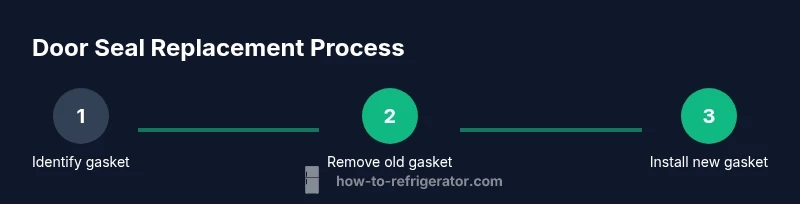
Yes. Refrigerator door seals can be replaced when the gasket is worn or not sealing properly. Start by locating your appliance’s model number to buy the correct gasket. Remove the old seal, soften any adhesive with a hair dryer, and loosen fasteners if needed. Clean the groove, fit the new gasket, and close the door slowly to verify a snug seal.
Can refrigerator door seals be replaced?
According to How To Refrigerator, can refrigerator door seals be replaced? Yes, the short answer is yes when the gasket is worn or not sealing properly. A door seal deteriorates gradually: the rubber hardens, the magnetic strip loses grip, or the edge becomes deformed from repeated opening and closing. A compromised seal invites warm air, condensation, and frost buildup, which makes the refrigerator work harder and costs more to run. Before you order a new gasket, take a moment to verify that failure is due to the seal and not a door alignment issue or a faulty hinge. You can test by closing the door on a thin piece of paper or a dollar bill; if you can pull it out easily, the seal may be loose. Replace only with a gasket that matches your model’s part number; mismatched gaskets can cause leaks and door misalignment. Replacement is a straightforward DIY task for many homeowners and can restore cooling efficiency when done correctly.
Signs your door seal is failing
Not all refrigerator issues point to a bad door gasket, but several telltale signs indicate the seal needs attention. Look for drafts around the door, especially at the top corners; you may feel warmer air when you stand near the refrigerator. Condensation along the inner edge is another red flag, as is frost or ice buildup near the gasket in the freezer compartment. Visible cracks, tears, or brittleness in the gasket material mean replacement is prudent. If the door does not stay shut on its own, even after closing firmly, the seal likely has worn past its usable life. These symptoms can also coincide with increased energy usage, since a leaky door forces the compressor to work longer. Addressing the seal promptly helps maintain proper temperatures and protects stored foods.
Choosing the right gasket and compatibility
Gasket compatibility starts with the exact model of your refrigerator. Locate the model number on the inside wall, door, or near the compressor panel. When shopping, verify the gasket type (foil/magnetic or vinyl) and the door side it fits (fridge vs. freezer door). Measure the hinge alignment and door width if you can, and compare to the new gasket’s specifications. A properly matched gasket should fit snugly into the door groove with little to no gaps. If you have a magnetic gasket, ensure the magnets align evenly around the door frame. If you’re unsure, contact the manufacturer’s parts desk or a reputable parts retailer and provide the model number to avoid ordering the wrong item. A wrong fit can create leaks and door misalignment that require another replacement.
Safety, prep, and planning
Before you touch any appliance, unplug it to avoid electrical hazards. Clear the surrounding area and remove items from the door shelves to prevent spills or damage. If you have a glass-door refrigerator, handle panels with care to avoid chips or shattering. Gather the tools you’ll need and review the gasket instructions that come with your replacement. A well-lit workspace helps you see the groove and fasteners clearly. If your fridge is in a tight kitchen, consider moving it away from walls just enough to access the door edge without bending the power cord. Planning ahead reduces the chance of rushing and makes the replacement smoother.
Removing the old gasket and cleaning the groove
Start at a bottom corner and gently release the gasket from the groove. If there are screws or retainer clips, loosen them as directed by the gasket installation guide. Use a hair dryer on low heat to soften any adhesive so the old gasket separates without tearing. Wipe the groove with a mild soap solution and a clean cloth to remove old residue and oils. Dry the groove completely before fitting the new gasket. Removing old adhesive thoroughly helps ensure the new gasket sits evenly and seals effectively.
Installing the new gasket correctly
Begin at a corner of the door and press the new gasket into the groove, working all the way around the door. For magnetic gaskets, line up the magnets as you go and snap them into place. Avoid stretching the gasket; let it seat naturally to prevent gaps. Once the gasket is seated, close the door gently to confirm it aligns with the frame and that there are no obvious gaps. If you notice slight misalignment, adjust by starting at a different corner or reseating a small section. Give the gasket time to settle by leaving the door closed for a few hours before a final test.
Testing, maintenance, and energy considerations
After installation, perform a door-seal test by closing the door on a piece of paper or a dollar bill; if you can pull it out easily, re-seat the gasket. Observe the door for drafts over the next 24 hours and monitor the freezer area for frost that might indicate a slow leak. Regular maintenance, such as cleaning the gasket grooves and inspecting seals every 6-12 months, helps extend gasket life. A properly installed gasket reduces cold air loss, which can lower energy bills and extend compressor life. The How To Refrigerator team emphasizes routine checks as part of preventive appliance care.
Tools & Materials
- Model-specific refrigerator door gasket(Order using the exact model number from inside the fridge or on the label)
- Hair dryer(Low heat setting to soften adhesive without damaging plastics)
- Plastic scraper or nylon putty knife(Used to lift old gasket without scratching grooves)
- Mild dish soap and warm water(For cleaning the groove and removing residue)
- Microfiber cloths(Dry and wipe the groove after cleaning)
- Masking tape (optional)(Helpful to hold gasket in place while seating on the groove)
Steps
Estimated time: 30-60 minutes
- 1
Find the right gasket
Locate the model number on the fridge label and order the exact gasket type and size. Confirm whether the door uses a magnetic or vinyl gasket to ensure proper fit.
Tip: Double-check the model number against the retailer’s compatibility chart. - 2
Remove the old gasket
Gently pry the gasket away from the groove, using heat only if adhesive is stubborn. If screws or clips are present, remove them following the manufacturer’s guidance.
Tip: Work slowly to avoid bending the door edge or tearing the groove. - 3
Clean the groove
Use a mild soap solution and a microfiber cloth to remove oils and old adhesive. Dry the groove completely before installing the new gasket.
Tip: A clean groove helps the new gasket seat evenly for a tight seal. - 4
Install the new gasket
Place the new gasket into the groove, starting at one corner and working around. If magnetic, verify magnets align and click into place.
Tip: Do not stretch the gasket; let it settle into the groove naturally. - 5
Test and finalize
Close the door slowly to check alignment and seal. Perform a paper-dill test and observe the door over several hours for drafts.
Tip: If you feel drafts, reseat sections of the gasket or re-check alignment at the corners.
FAQ
What are common signs that a door seal needs replacement?
Drafts around the door, frost buildup, moisture along the seal, and doors that don’t stay closed indicate a worn gasket. Replacing the gasket often restores proper sealing and improves efficiency.
Look for drafts, frost, or doors that won’t stay shut.
Can I replace the gasket myself, or should I hire a pro?
Many homeowners replace door gaskets themselves with the right part. If the door has structural damage or you’re unsure, a professional can ensure proper alignment and seal.
DIY is common, but seek a pro if the door is bent or damaged.
Do I need to unplug the fridge during replacement?
Yes. Unplug the appliance or switch off the circuit, and move foods to a cooler if needed. This reduces shock risk and avoids electrical short during gasket work.
Unplug before you start.
How long does gasket replacement usually take?
Most replacements take about 30-60 minutes depending on model and your familiarity with the process.
Typically under an hour.
Where can I buy the correct gasket?
Check your model number and shop at manufacturer parts outlets or reputable retailers that stock appliance gaskets compatible with your fridge.
Use your model number to find the right gasket.
Will replacing the gasket fix not-cooling issues?
If a door seal was allowing warm air in, replacement can improve cooling efficiency. Not all cooling problems are seal-related, so diagnose other causes if the issue persists.
It can help if the seal was the culprit.
Watch Video
Top Takeaways
- Identify the correct gasket with model number.
- Unplug and prep the area before replacement.
- Install evenly and test for leaks.
- Regular checks improve energy efficiency and lifespan.